
Last updated November 24, 2026
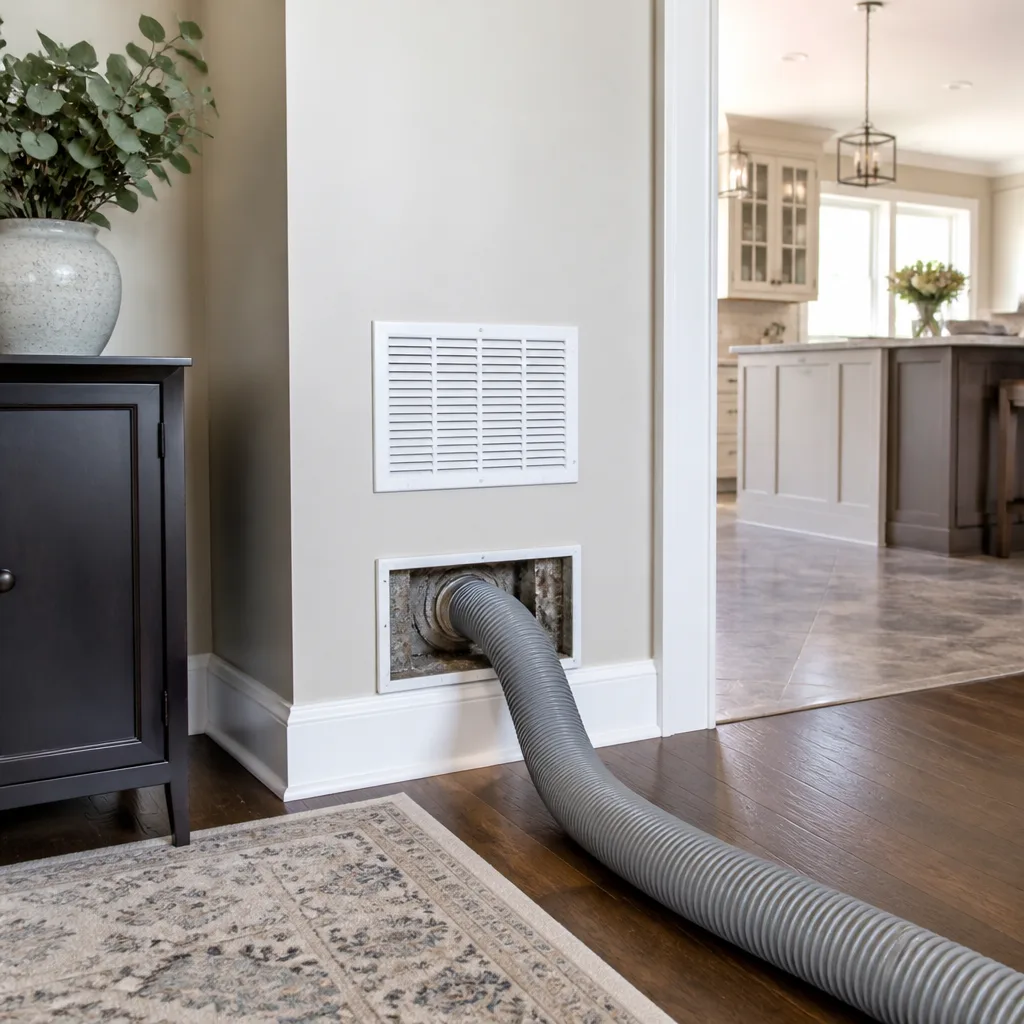 Whole-home duct cleaning
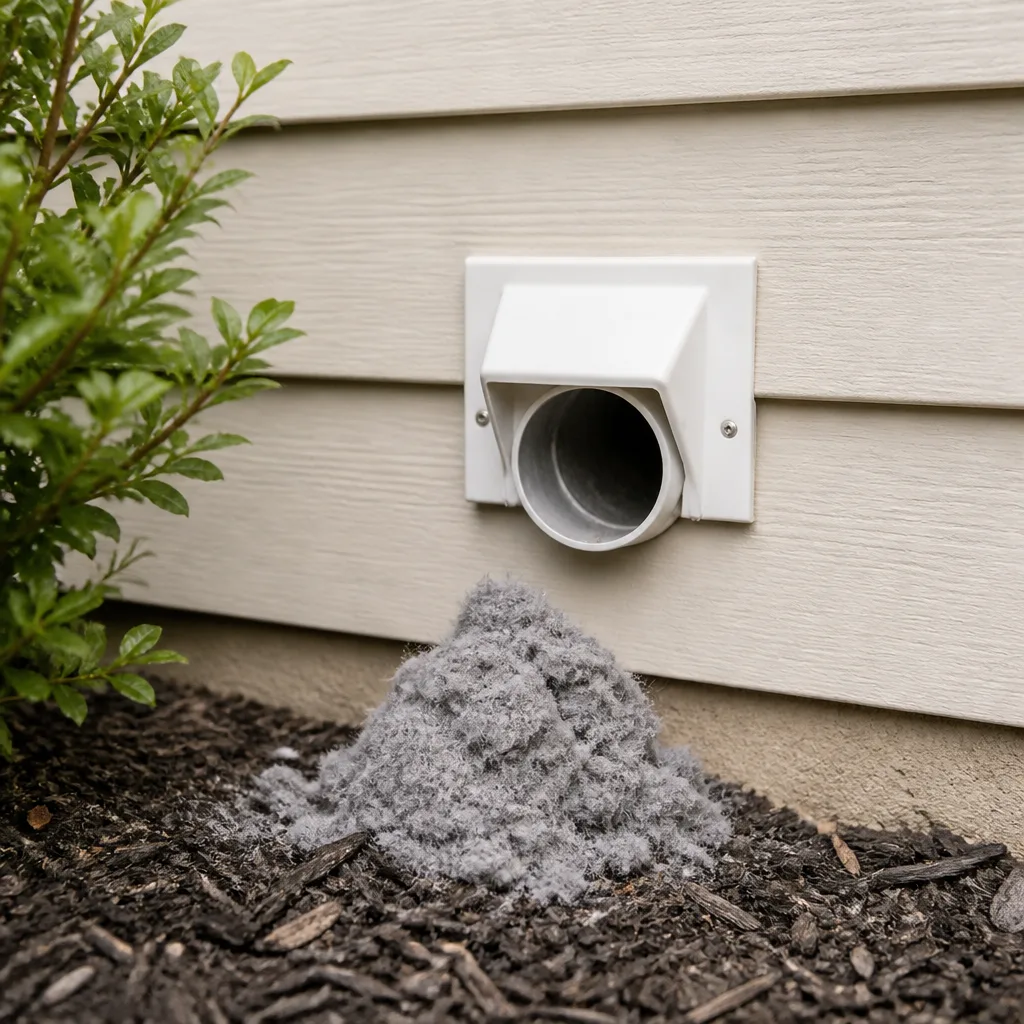 Dryer vent cleaning
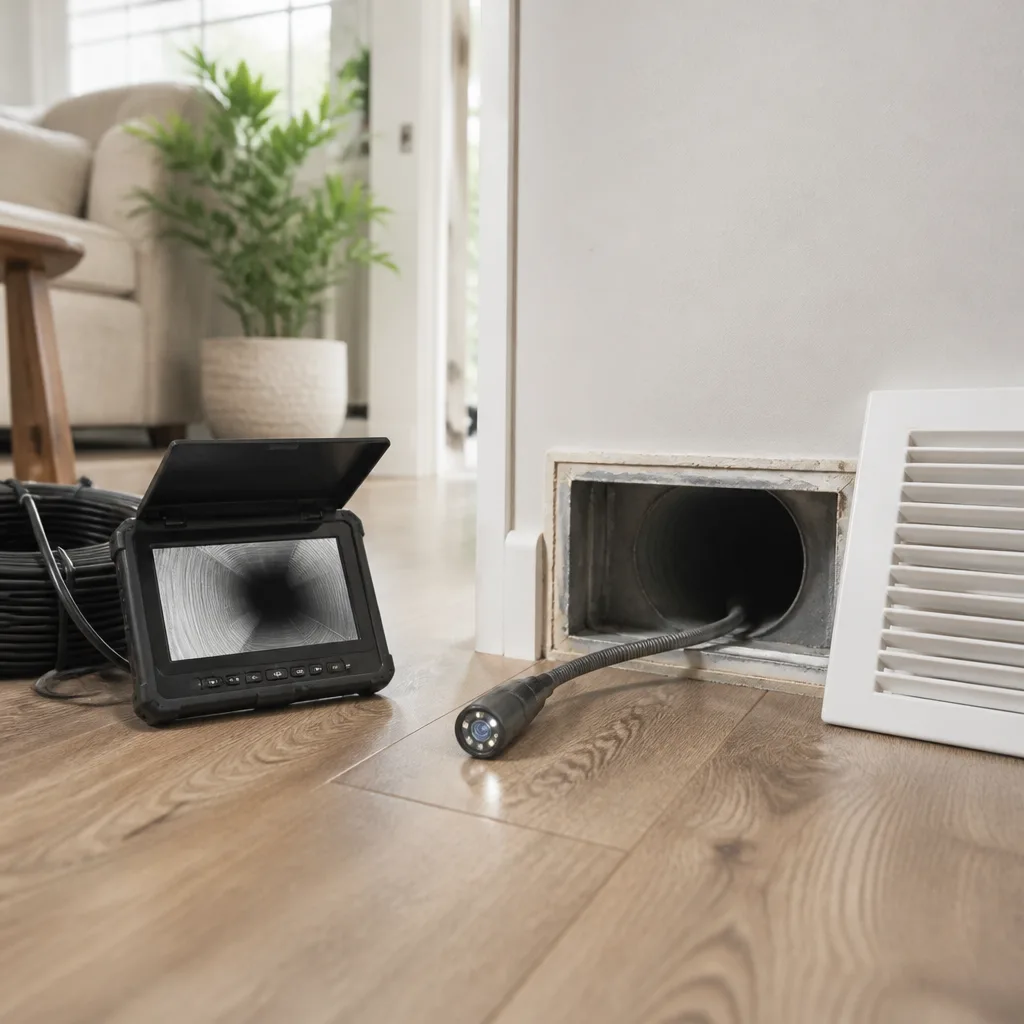 Camera inspection
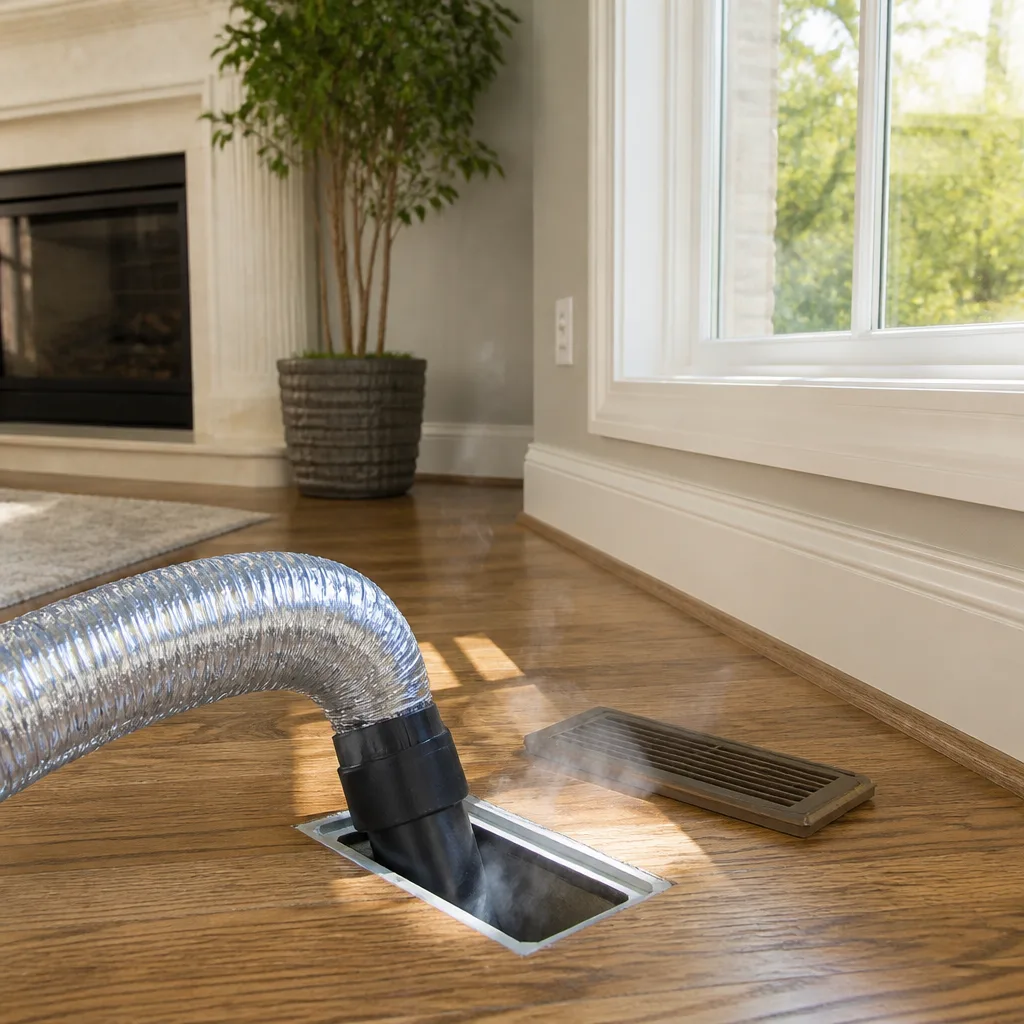 Sanitizing & deodorizing
Whole-system duct and dryer vent check with before-and-after photos - you see exactly what came out of your vents
That "$99 whole-house special" is a bait ad - the real number appears once they are in your hallway, or the "clean" is a shop-vac at the register. We photograph the inside of your ducts before and after instead.
The Complete Guide to Air Duct Cleaning in Green Hills
Most duct cleaning advice you’ll find online was written for new construction on a slab, with rigid metal ducts and a heat pump that runs a few months a year. Green Hills doesn’t look like that. A large share of homes here went up between the 1970s and the 2000s, and many still carry original flex duct that sags through attics, traps debris in its corrugations, and degrades in ways rigid metal never does. That single fact changes what a real cleaning involves, what it costs, and what a technician should be doing while they’re inside your system. This guide maps the full process to what’s actually in these houses. You’ll learn what “full system” means, why equipment type matters, and how Tennessee humidity quietly reshapes the job.
Quick Answer
A full-system air duct cleaning in Green Hills includes every supply and return line, the air handler, and the evaporator coil, done with contact agitation and HEPA-filtered extraction under negative pressure. On the older builds common here, expect three to six hours and a written estimate before any work starts. Cleaning alone doesn’t fix humidity problems or failing flex duct; those need sanitizing, repair, or sealing in the same visit.
Styles & brands we work with
- Whole-home duct cleaning
- Dryer vent cleaning
- Camera inspection
- Sanitizing & deodorizing
Table of Contents
- How Green Hills housing stock changes the job
- What a full-system cleaning actually includes
- Negative pressure: why equipment type decides the outcome
- How Tennessee humidity drives mold and dust mites in ducts
- The step-by-step cleaning process, in order
- Red flags to watch for while a technician is on-site
- Dryer vent cleaning: the safety service most people skip
- How often Green Hills ducts really need cleaning
How Green Hills Housing Stock Changes the Duct Cleaning Job
Walk into a 1990s build off Hillsboro Pike and you’ll often find the original flexible duct still in place: a plastic-wrapped inner core on a wire helix, run in long unbraced spans through the attic. Walk into a 2000s build near Green Hills Mall and you’ll see the same material, sometimes with added zoning. Flex duct is cheaper and faster to install than rigid metal, which is why builders used so much of it here. It’s also the single biggest reason a generic cleaning guide falls short in this zip code.
Here’s what flex duct does that rigid duct doesn’t:
- Sags between hangers. Every dip becomes a low spot where dust settles and stays put.
- Traps debris in the corrugations. The spiral ridges catch lint and construction dust that a light vacuum pass glides right past.
- Degrades with age. The inner liner can tear, delaminate, or separate from the helix, and a torn liner dumps fibers into the airstream.
- Kinks at tight turns. A crushed elbow slows airflow and loads the system with dust it can’t move.
Layout matters as much as material. Many Green Hills homes have finished basements and living space below the main floor, which means longer return runs, more elbows, and sometimes a basement air handler feeding trunk lines overhead. Long runs with multiple turns are harder to clean thoroughly than a short straight run, and they’re where a half-effort job leaves obvious evidence. The housing stock here also spans a wide range: a 1970s ranch with original rigid trunk and short branches behaves nothing like a 2005 build with flex everywhere and two zones.
What this means for you: ask any contractor how they handle flex duct specifically. If the answer is vague, the cleaning will be too. Professional contact cleaning with a tool like the Rotobrush system is built for this material; it agitates the liner gently without tearing it, while extraction runs at the same time.
What a Full-System Cleaning Actually Includes
“Air duct cleaning” means different things depending on who’s quoting it, and that gap is where most of the confusion in this trade lives. A full-system cleaning covers every component that air passes through, from the return grille to the supply register. A partial cleaning covers some of them and skips the rest. The skipped parts are usually the dirtiest.
Here’s the breakdown of what should be in scope:
- Supply lines: every branch run from the trunk to each register, cleaned and extracted.
- Return lines: often the filthiest part of the system, because they carry unfiltered room air back to the unit.
- Trunk lines: the main distribution ducts, which collect the most settled dust over time.
- The air handler cabinet: the blower housing and interior surfaces where dust accumulates around moving parts.
- The evaporator coil: the wet, cold surface where condensation forms and where mold takes hold in humid climates.
- Registers and grilles: removed, washed, and reinstalled.
What a cheap service typically skips: the air handler, the coil, the returns, and anything that requires pulling a register off the wall. Some cut-rate outfits run a vacuum hose through one or two accessible supply openings and call it done. That leaves the system’s dirtiest surfaces untouched, and it can stir settled dust into the air without capturing it.
In Green Hills, the coil deserves extra attention. Summer humidity here keeps that coil wet for months, and a wet coil plus a dust coating is exactly the environment mold needs. Cleaning it out is part of a complete job, and if the coil is fouled past cleaning, we’ll say so plainly rather than vacuum around the problem. Our air duct cleaning work is scoped to the whole system for this reason, not just the ducts you can reach.
Negative Pressure: Why Equipment Type Decides the Outcome
Cleaning a duct system without containment is like sweeping a dusty floor with a fan running. The dust doesn’t disappear; it just moves somewhere else, often into your living room. Negative pressure is the fix. The idea is simple: keep the whole system under a slight vacuum while you agitate the surfaces inside it, so loosened contaminants get pulled toward the collection point instead of drifting out through registers.
Two equipment choices matter most:
- The vacuum source. Truck-mounted units and high-capacity portable HEPA units both generate real negative pressure. Consumer-grade equipment, leaf blowers, and shop vacs do not. A shop vac actually pressurizes more than it extracts and can push fine dust back into the room.
- The containment method. Abatement Technologies negative-air equipment seals off openings and keeps dislodged material out of living spaces during the job. Without it, the agitating tool frees dust that has nowhere controlled to go.
The contact side of the equation matters just as much. A vacuum alone can’t lift debris that’s bonded to a duct wall; something has to break it loose first. That’s what contact cleaning does. The Rotobrush system combines a rotating brush head with simultaneous extraction, so debris gets agitated and captured in the same pass rather than resuspended. For HEPA-filtered final extraction, Nikro equipment handles the fine particulate that remains.
The practical difference shows up in the air in your house while the work is happening. A containment-first process means you shouldn’t see dust drifting out of registers or settling on furniture during the cleaning. If you do, the negative pressure setup isn’t working, and the job isn’t being done the way a professional-grade system requires. Truck-mounted rigs suit larger or multi-zone systems here; portable HEPA units reach the tight attic runs that a truck hose can’t.
How Tennessee Humidity Drives Mold and Dust Mites in Ducts
Middle Tennessee sits in a humid subtropical climate, and that has real consequences inside a duct system. Summers here run long and muggy, with relative humidity regularly pushing past 70 percent. That moisture doesn’t stay outdoors. It rides in through return air, condenses on the cold evaporator coil, and wicks into duct insulation wherever there’s a gap or a temperature swing.
Two problems follow directly:
- Mold colonization. Mold needs moisture, organic dust as food, and a dark surface. A wet coil and a dust-coated duct liner provide all three. It doesn’t need standing water; weeks of high humidity are enough.
- Dust mite populations. Dust mites thrive above roughly 50 percent relative humidity. They don’t live inside metal or flex duct so much as feed off the dust the system carries back to bedrooms and living areas.
This is why sanitizing belongs in the same visit as cleaning. Scrubbing the system free of dust and mold spores without treating the surfaces afterward leaves the conditions intact, and the growth returns. An air-quality sanitizing treatment applied after extraction, on clean surfaces, is what actually resets the system. We work with brands like Honeywell for whole-home filtration and Aprilaire for humidification control, because the ductwork and the humidity control in a house are one system, not two.
The good news: a well-sealed, clean duct system holds up far better than a leaky one, because leaks pull in hot, humid attic air all summer. Duct sealing closes those gaps. Clean first, seal second, and the system dries out and stays cleaner.
The Step-by-Step Cleaning Process, in Order
A proper cleaning follows a sequence, and each step builds on the one before it. Here’s what a full-system job looks like from the inside, so you know what to expect when a technician arrives.
- Inspection and system walkthrough. Document the system first: count supply and return registers, check duct material, look for tears, separations, or crushed runs, and note the air handler and coil condition. Any contractor who skips this step is guessing.
- Register and grille removal. Every register comes off so the ducts can be accessed and so the grilles themselves can be washed.
- Containment setup. Negative-air equipment and HEPA filtration go in place before any cleaning begins. This is what keeps dust out of the living space.
- Contact cleaning of every run. Rotobrush equipment agitates and extracts each supply branch, return, and trunk line. Long flex runs get extra passes at the sags and elbows.
- Air handler and coil cleaning. The blower housing and evaporator coil get cleaned separately. A wet coil in Green Hills often needs a sanitizing pass after cleaning.
- HEPA extraction and final pass. Nikro HEPA equipment pulls remaining fine particulate from the system once the coarse material is out.
- Before-and-after documentation. Photos of the duct interiors show what came out and what the surfaces look like now. You should get these without asking.
- Sanitizing, if needed. Air-quality sanitizing on clean surfaces, targeting the mold and dust-mite conditions the climate creates.
- Reinstall and verify. Registers go back on, airflow gets checked, and the containment comes down only after the system is sealed back up.
Numbered steps are easy to recite; the difference is in steps three and four. Containment first and contact cleaning throughout are what separate a thorough job from a vacuum-and-done service. For the HVAC side of the system, our HVAC cleaning work covers the equipment surfaces in the same visit.
Red Flags to Watch for While a Technician Is On-Site
The cleaning industry has a real bait-and-switch reputation, and the honest way to counter it is to know what a bad job looks like while it’s happening. Here’s what to watch for in Green Hills.
- No containment equipment. If you don’t see negative-air equipment or HEPA filtration set up before cleaning starts, dust is going somewhere it shouldn’t.
- A single hose and no contact tool. Cleaning with only a shop vac or a blower means nothing is agitating the duct walls. Debris stays bonded and the liner takes a beating.
- No air handler or coil work. If the technician never opens the unit or touches the coil, it’s a partial job, full stop.
- No before-and-after photos. Any contractor can describe the work. Documentation proves it happened.
- No written estimate before work starts. A price that changes once the technician is on site is the classic bait-and-switch move.
- Rushed passes on flex runs. In Green Hills homes, long flex runs with visible sags need real time. If a whole house wraps up in under an hour, the returns and air handler were skipped.
- No mention of flex duct condition. A proper inspection notes tears, crushing, and separation. If it doesn’t, repairs get missed and the cleaning’s benefit leaks away.
The remedy is simple: ask for a flat price per system in writing, agreed before work starts, plus before-and-after photos of your own ducts when it’s done. That’s how we handle every job, and it’s the standard to hold any contractor to.
Dryer Vent Cleaning: The Safety Service Most People Skip
Duct cleaning gets the attention; dryer vents get forgotten, and that’s a real problem. Lint is highly combustible, and it builds up in a dryer vent run over time. When the vent is restricted, the dryer runs hotter, lint catches, and the risk climbs. This is why dryer vent cleaning is a standalone service for us, not a checkbox added to a duct job. Some duct cleaners skip it entirely or give it a token pass, which misses the point.
Warning signs that your vent needs attention: laundry takes longer than one cycle to dry, the dryer feels hot to the touch on top, the outdoor vent flap barely moves when the dryer runs, or there’s visible lint around the connection behind the dryer. In Green Hills, dryer vents are often routed through finished walls or up through the roof, which means longer runs with more lint-catching turns. Those runs need proper cleaning with a tool that reaches the full length, not a vacuum at the wall.
Treat it as routine maintenance, scheduled separately from a duct cleaning when it makes sense, and don’t underestimate it. A clean vent protects the dryer and the house.
How Often Do Green Hills Ducts Really Need Cleaning?
Most homes here need a full-system cleaning every two to three years, sooner if the conditions below apply. That’s a starting point, not a rule; a duct system’s real needs depend on the house, the occupants, and the HVAC setup. Here’s how to judge yours:
Clean sooner if any of these apply
- You just finished a renovation. Drywall dust and construction debris infiltrate duct systems during remodeling and settle deep in the runs.
- Someone in the home has allergies or asthma. Cleaner ducts reduce the dust load circulating through bedrooms.
- The HVAC system is aging or recently replaced. A new system paired with old ducts pushes dust back through it; an aging system benefits from a clean coil.
- You’ve noticed a musty smell when the system runs. In this climate, that often points to mold on the coil or duct liner.
- It’s been several years and you don’t know the history. A first cleaning establishes a baseline and turns up any duct damage.
- Visible dust puffs from registers on startup. That’s a sign of settled dust being disturbed, not a sign the system is cleaning itself.
How sealing and repair extend the interval
A leaky duct system pulls in attic air, dust, and humidity all year, which reloads the ducts faster than a sealed system. Duct repair and sealing close those gaps. When we handle cleaning, repair, and sealing together, the next cleaning is needed less often, and airflow improves because the system isn’t losing cooled air into the attic. That’s a big deal in a house with long flex runs, where a single crushed section can undercut airflow to several rooms.
If you’re not sure where your home falls, the honest answer is an inspection. A proper walkthrough reveals the condition of the flex, the coil, and the sealing, and tells you whether to clean now or wait. We work with Guardsman filtration products and know how whole-home air quality systems interact with the ductwork, so the recommendation accounts for the full picture.
Common Mistakes to Avoid
- Buying on price alone. The cheapest quote in Green Hills almost always means skipped returns or a skipped air handler. Ask what’s included before you compare dollar figures.
- Skipping the evaporator coil. In this humidity, leaving a dirty, wet coil untouched means mold conditions remain after the ducts are clean.
- Cleaning without containment. A job with no negative-air setup stirs dust into your living space and defeats the purpose of a professional-grade clean.
- Ignoring flex duct condition. Cleaning a torn or crushed flex run without noting the damage means airflow problems remain after the work.
- Forgetting the dryer vent. Treating it as an optional add-on leaves a lint fire hazard in place, especially on long routed runs.
- Skipping sealing after cleaning. Gaps around registers and joints re-load the ducts with attic air and humidity, undoing what the cleaning fixed.
- Letting anyone start without a written quote. A flat price per system agreed up front, plus before-and-after photos, is the standard. Treat anything else as a warning.
See the difference
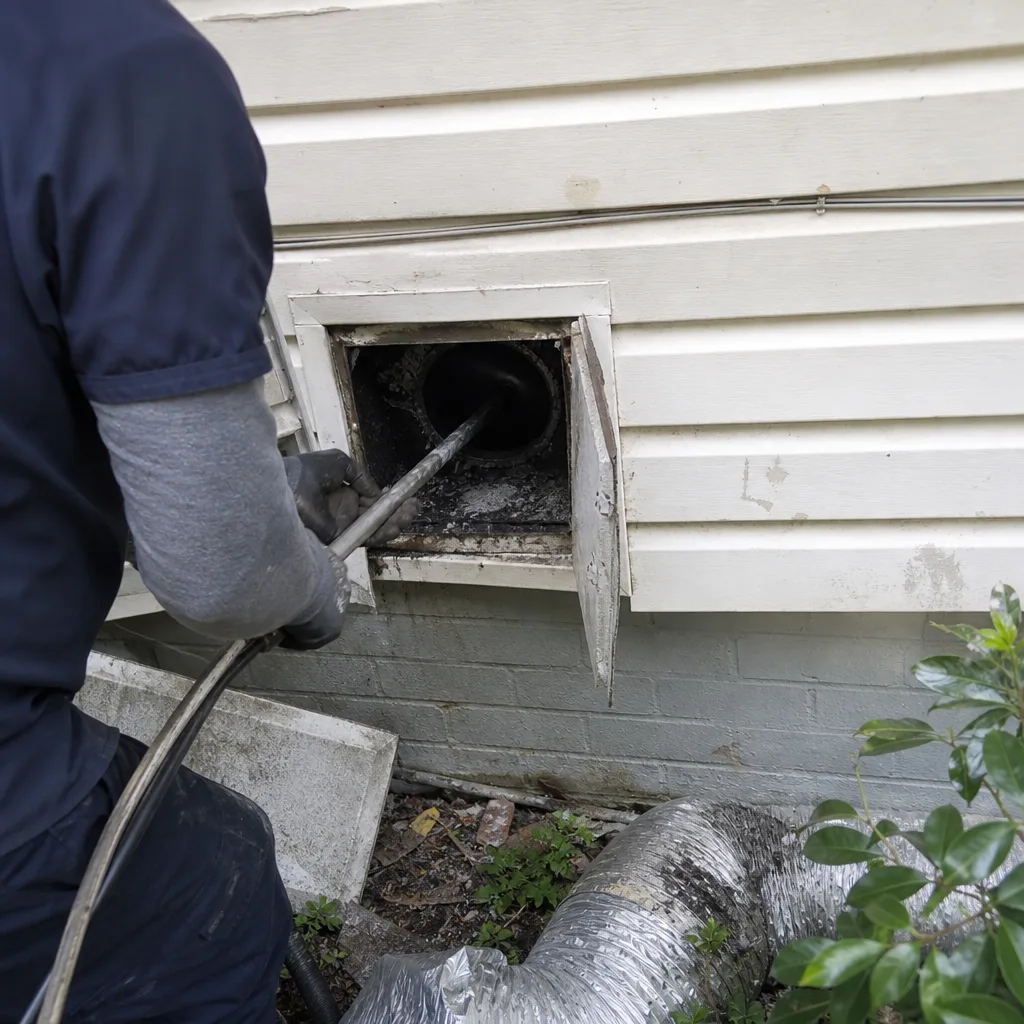 Before
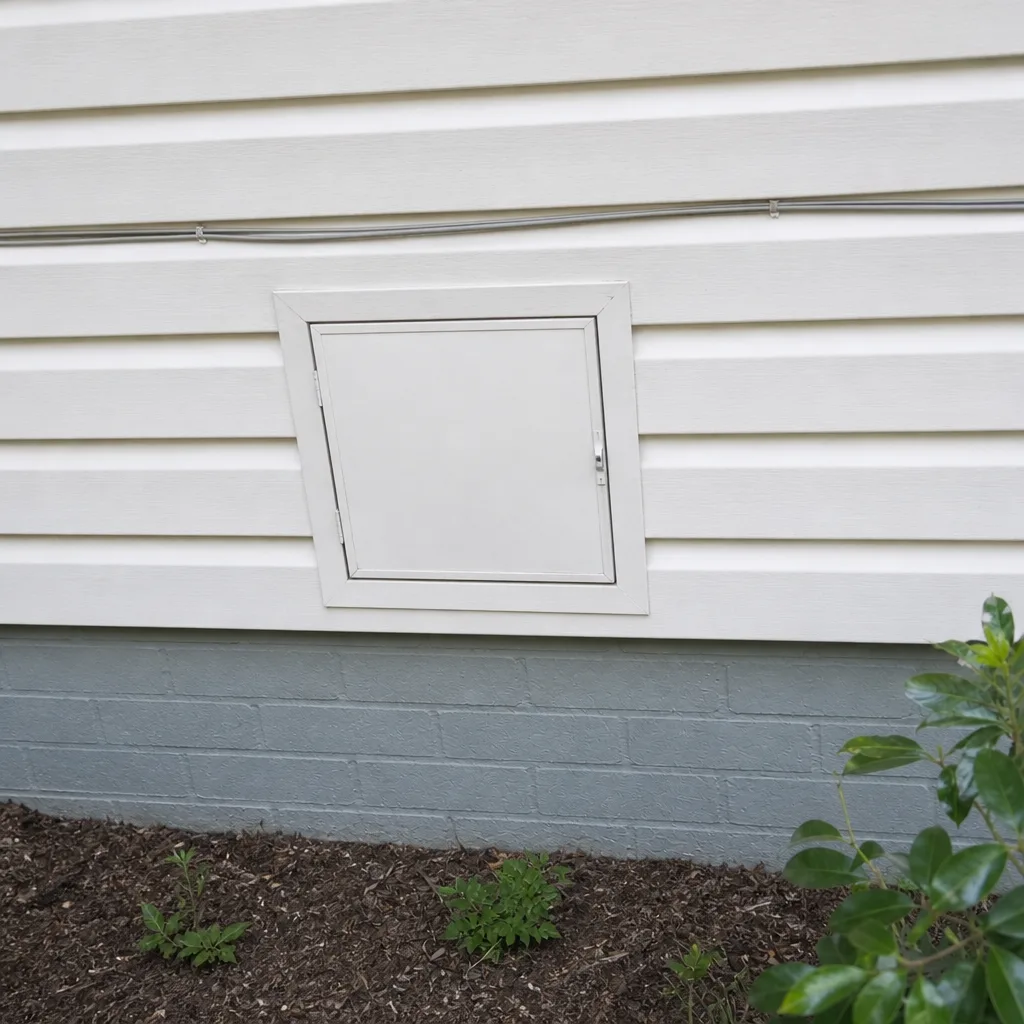 After
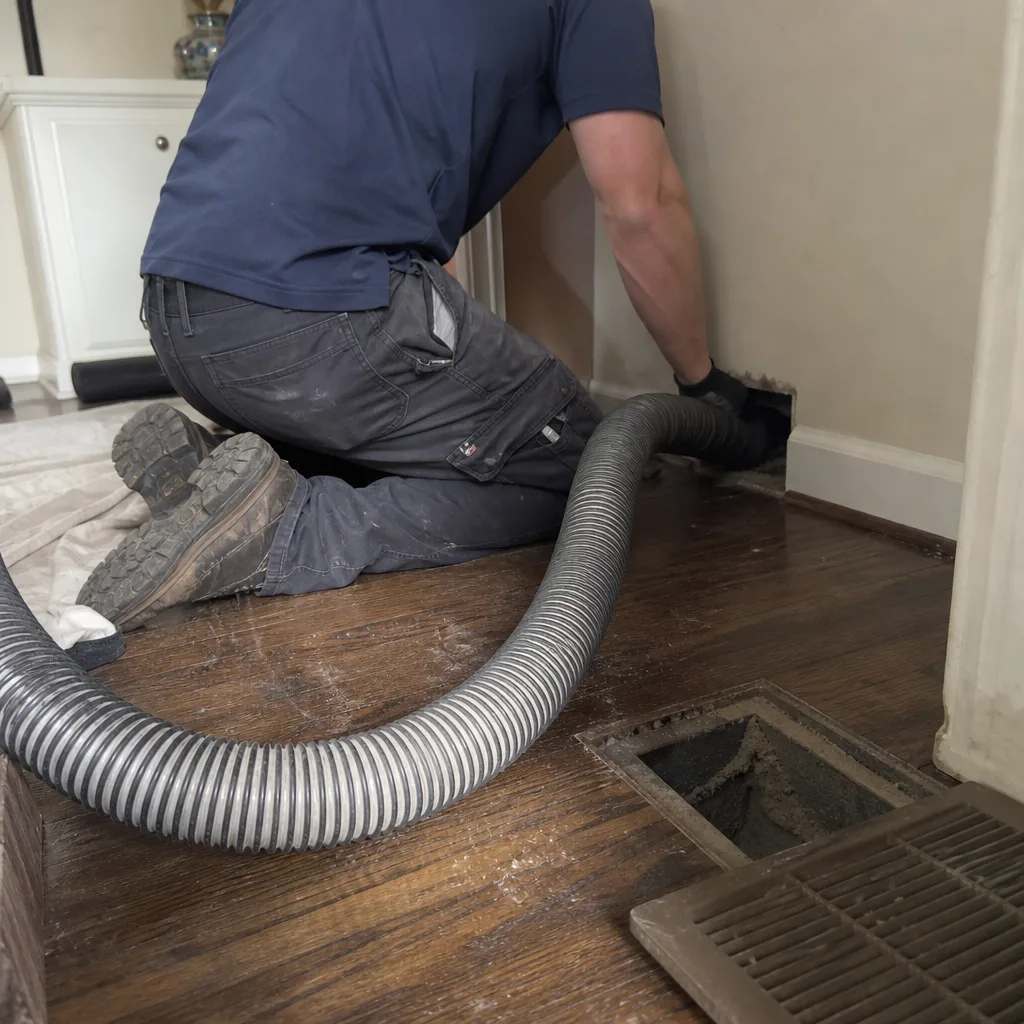 Before
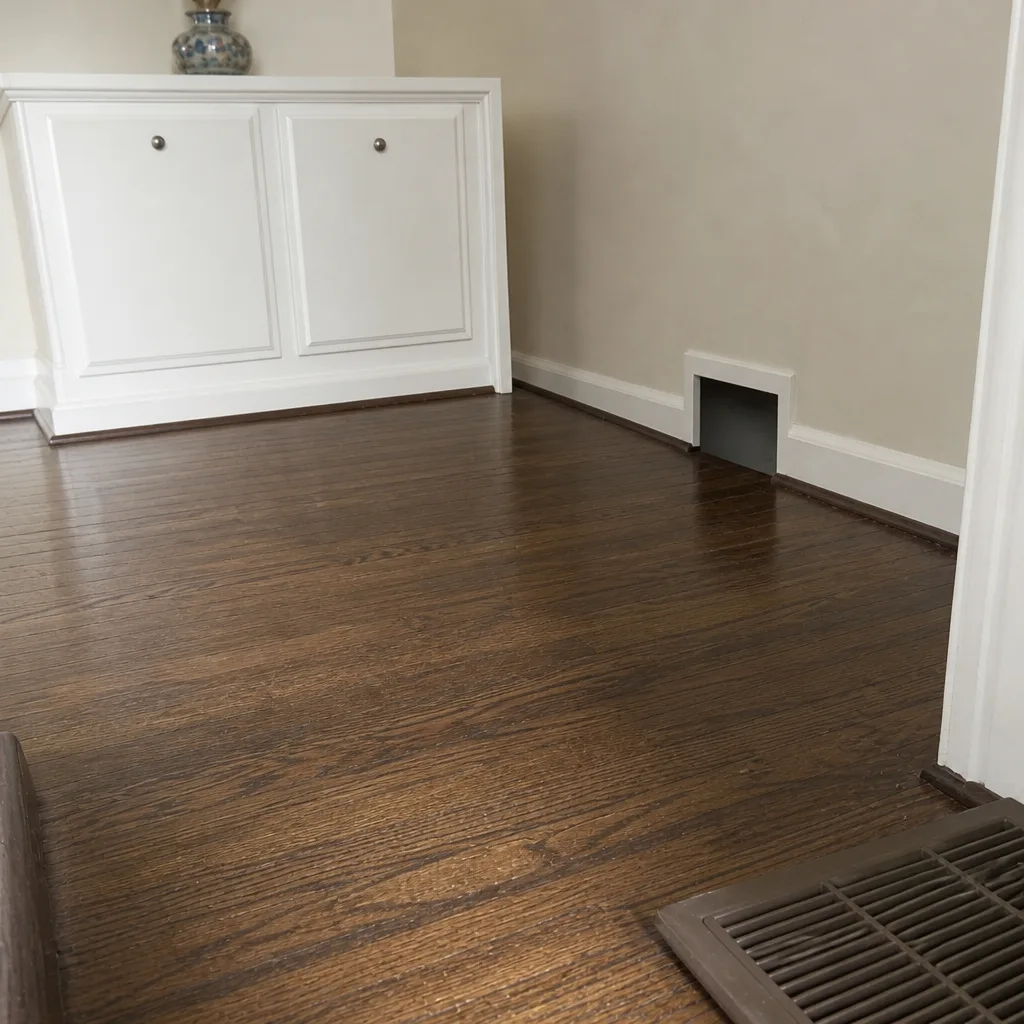 After
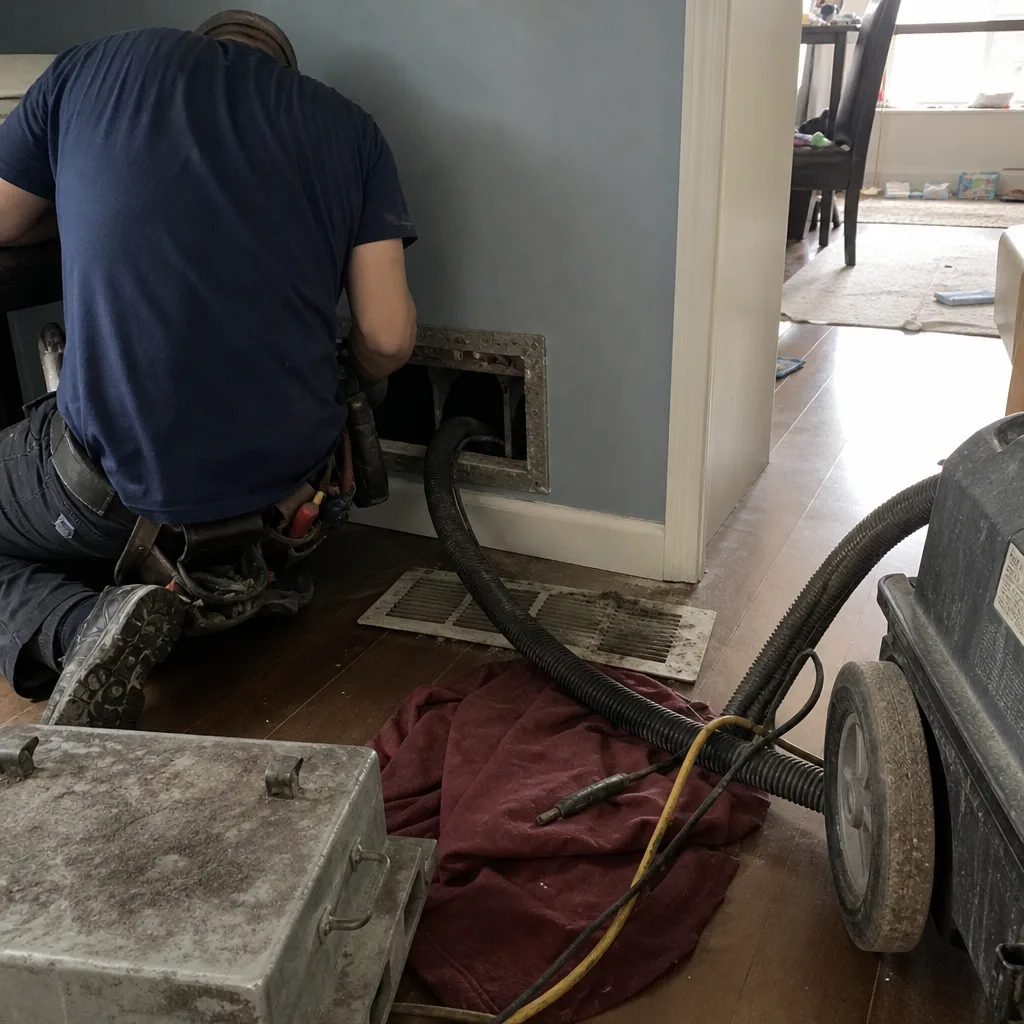 Before
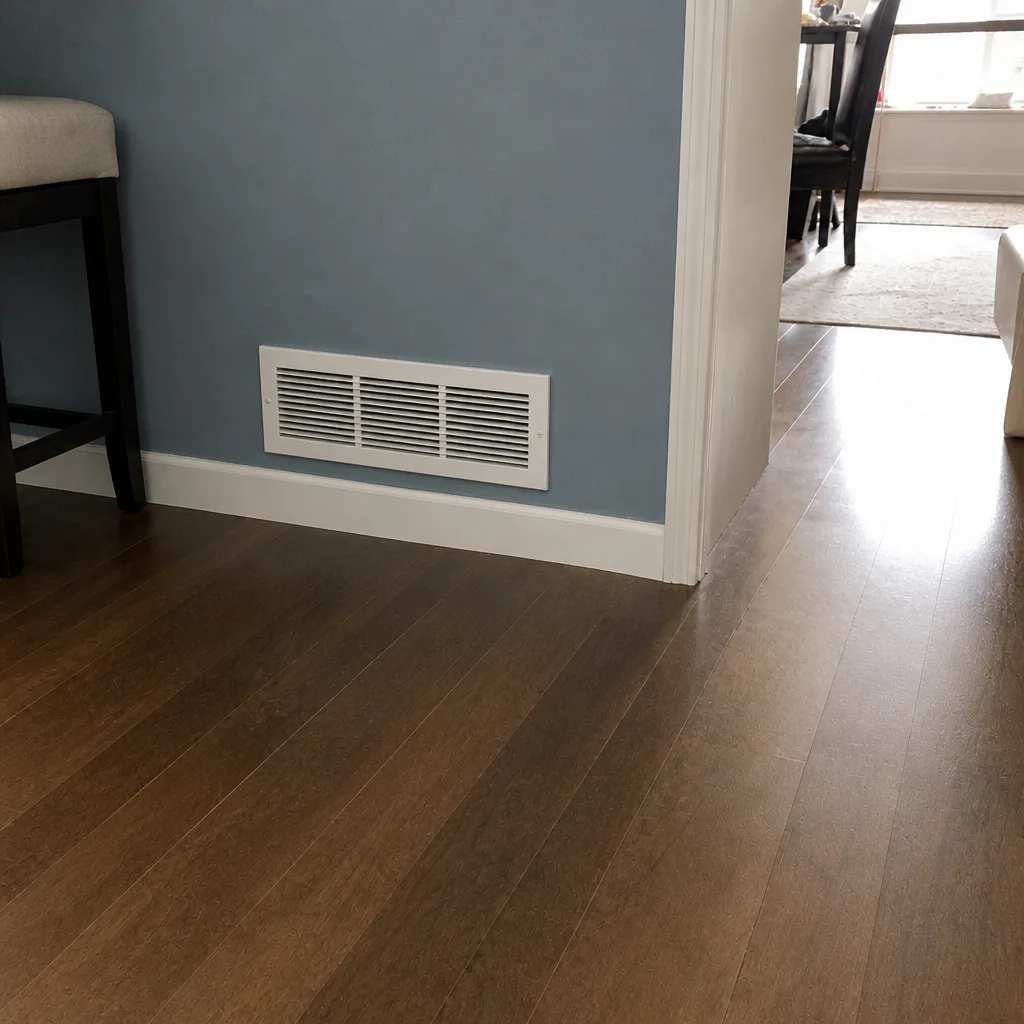 After
When to Call a Professional
Call a professional when dust puffs out of registers when the system starts, when a musty smell follows the airflow, or when you’ve finished a renovation and want the drywall dust out of the system. Call when your coil hasn’t been cleaned and the system struggles to keep up during humid weather, or when you can see tears or crushing in a flex run. Call for dryer vent cleaning if laundry takes longer than it used to and the vent flap barely moves. These are jobs where equipment matters: contact cleaning, HEPA extraction, and negative-air containment do the work that a shop vac cannot. Call Air Duct Cleaning Green Hills at (855) 658-4338 for a free estimate. We answer 24/7, and dispatch runs from 7am to 7pm, Sunday through Friday. Estimates are free, and the written estimate sets the final price. The local pro is licensed and insured as their state requires.
Frequently Asked Questions
Most full-system cleanings in Green Hills land in a broad range depending on the number of registers, the length of the duct runs, and whether coil cleaning, sanitizing, or sealing is included. Long flex runs and multiple returns, both common in this housing stock, take longer than a straightforward system, and that affects the estimate. Call (855) 658-4338 for a free estimate. You’ll get a flat price per system in writing before any work starts.
Cheap quotes are usually partial jobs. They clean the accessible supply openings, skip the returns and air handler, use a shop vac instead of a negative-air system, and don’t touch the coil. The lower price reflects less work, not a better deal. Ask exactly what the quote covers and whether before-and-after photos of your own ducts are included. Call (855) 658-4338 for a free estimate and a scope of work in writing.
Before-and-after photos of your duct interiors are the proof, and you should get them on every job. During the work, watch for containment equipment and contact cleaning tools; a cleaning done right uses both. Ask for photos at the air handler and coil too, since that’s where partial jobs show up. Call (855) 658-4338 to book a cleaning where documentation is standard, not an extra.
Every two to three years is a reasonable guide for most Green Hills homes, with sooner cleanings after renovation, when allergies are a concern, or when a musty smell shows up. Sealing duct leaks after cleaning helps extend the interval, because a sealed system pulls in less dust and attic humidity. Call (855) 658-4338 for a free estimate and an honest read on your system’s condition.
Yes, the humidity here creates real mold conditions. A wet evaporator coil coated in dust is the ideal surface, and months of muggy air keep it that way. Cleaning removes the food source and sanitizing treats the surfaces afterward, which is why we do both together. Call (855) 658-4338 for a free estimate that includes coil and sanitizing assessment.
Yes. Cleaning, sanitizing, sealing, and repair can be handled in a single visit, which is the practical reason to keep them together. Sealing after cleaning closes the gaps that pull attic air and dust back in, and repairing a torn flex run restores airflow. One call covers it, and there’s no coordinating multiple contractors. Call (855) 658-4338 for a free estimate.
The Bottom Line
Air duct cleaning in Green Hills is a different job than it is in new construction. The older housing stock here means flex duct that sags and traps debris, longer return runs, finished basements, and a coil that stays wet through a long humid season. A thorough cleaning covers every supply and return line, the air handler, and the coil, done with contact agitation and HEPA extraction under negative-air containment, followed by sanitizing where the humidity demands it. Ask for a flat price per system in writing and before-and-after photos of your own ducts. And don’t forget the dryer vent. If your system is due, our team is ready to help. For duct cleaning in Green Hills that covers the full system including repair and sealing in one visit, call (855) 658-4338 for a free estimate. We answer 24/7. Fast dispatch from 7am to 7pm, Sunday through Friday. For the full air duct service, see Air Duct Cleaning Green Hills.
Written by the team at Air Duct Cleaning Green Hills.