
Last updated November 24, 2026
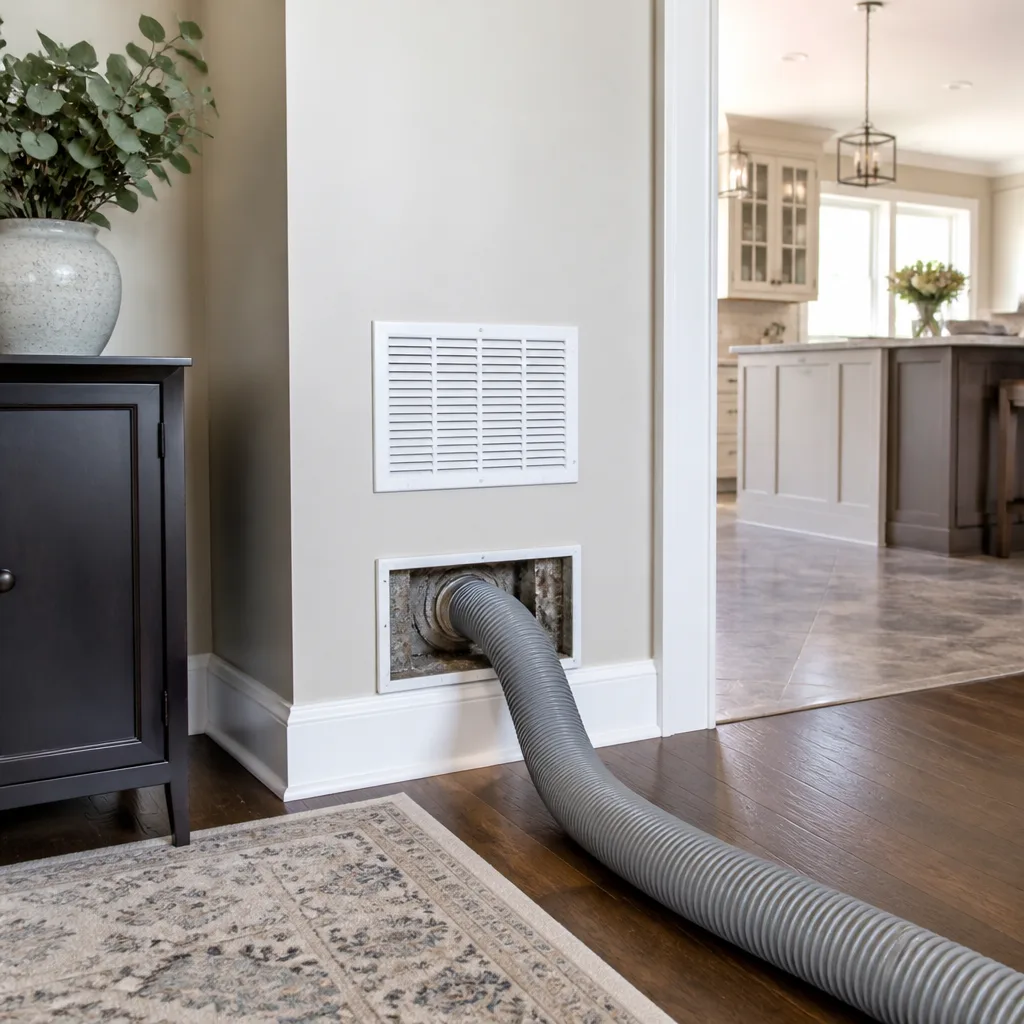 Whole-home duct cleaning
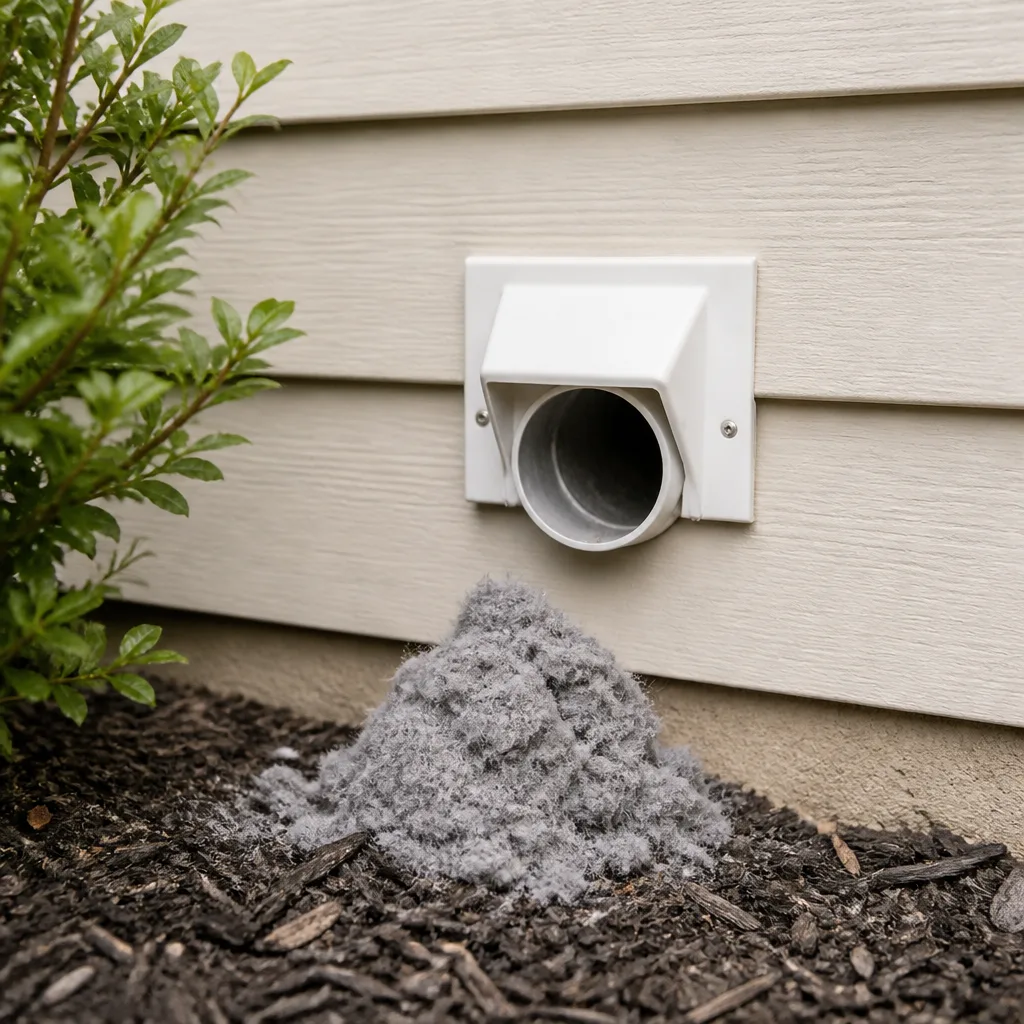 Dryer vent cleaning
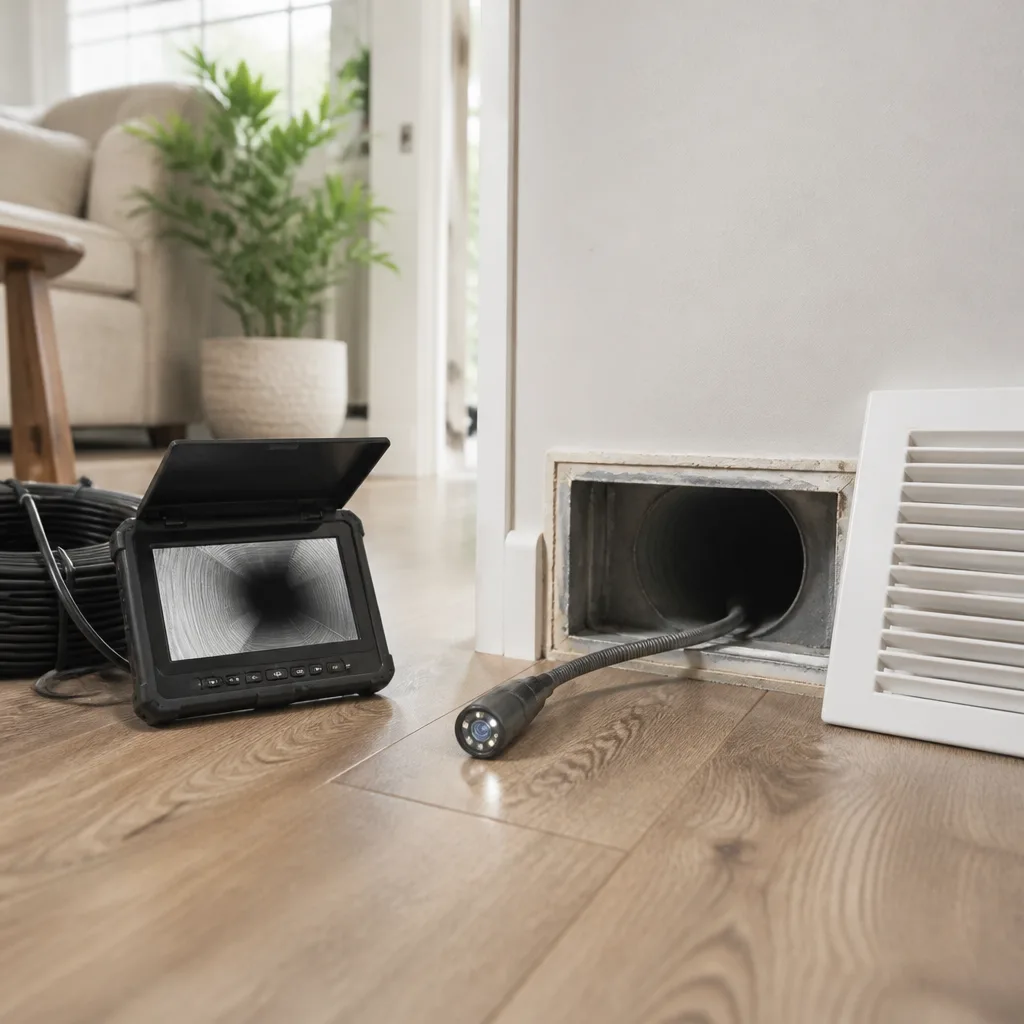 Camera inspection
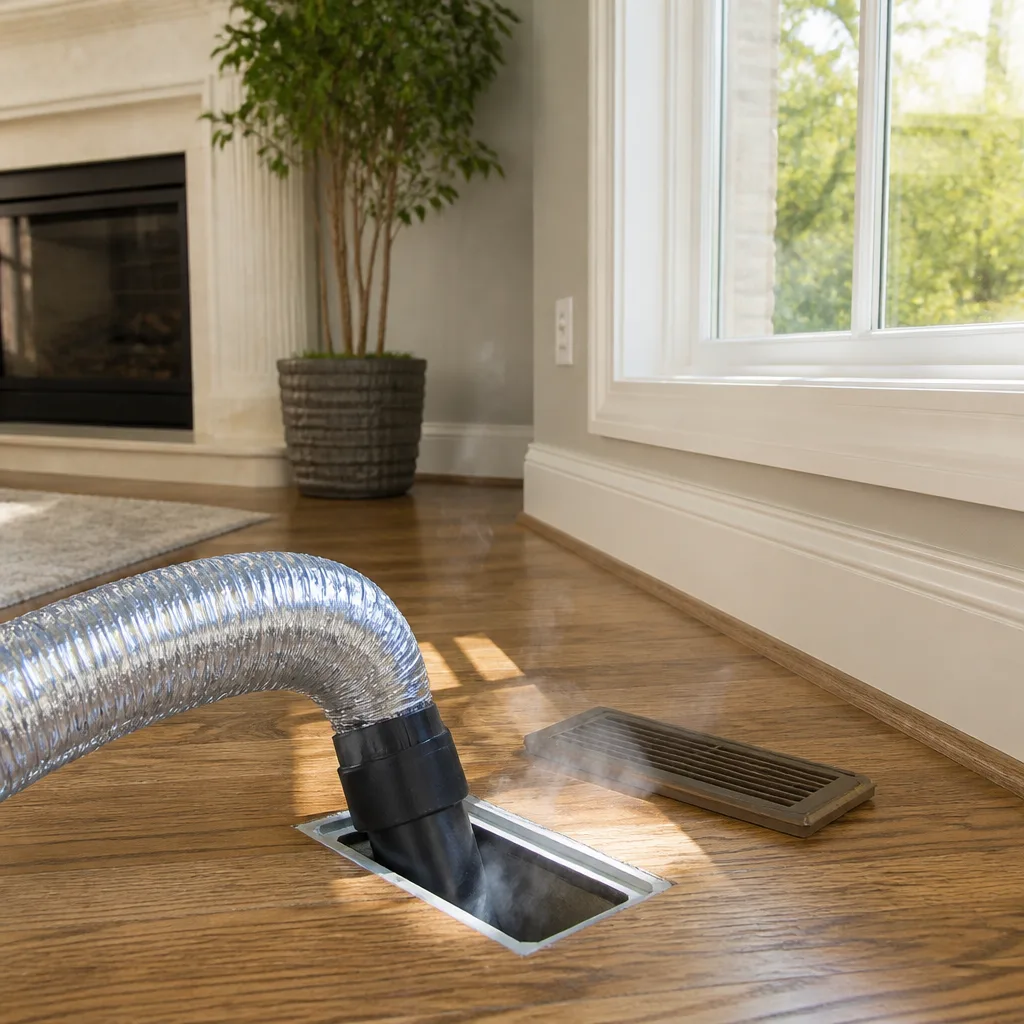 Sanitizing & deodorizing
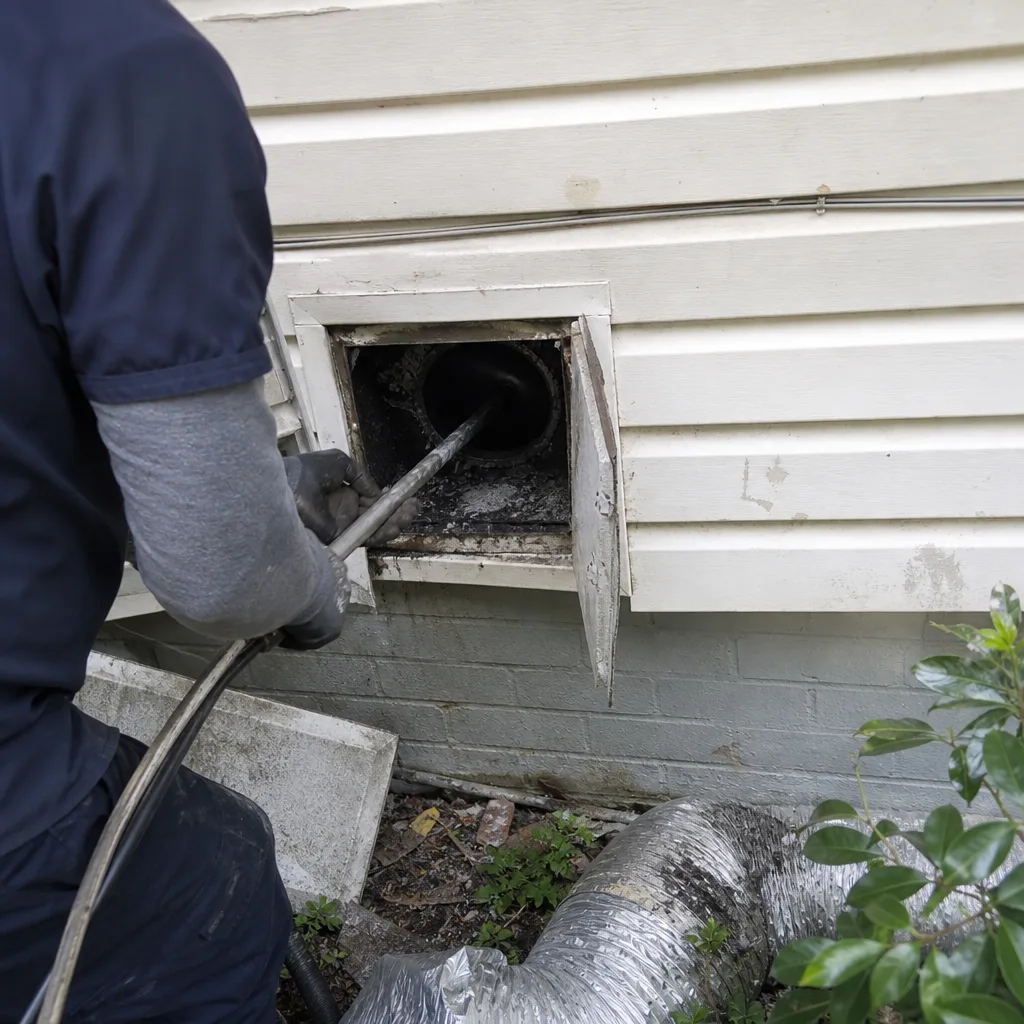
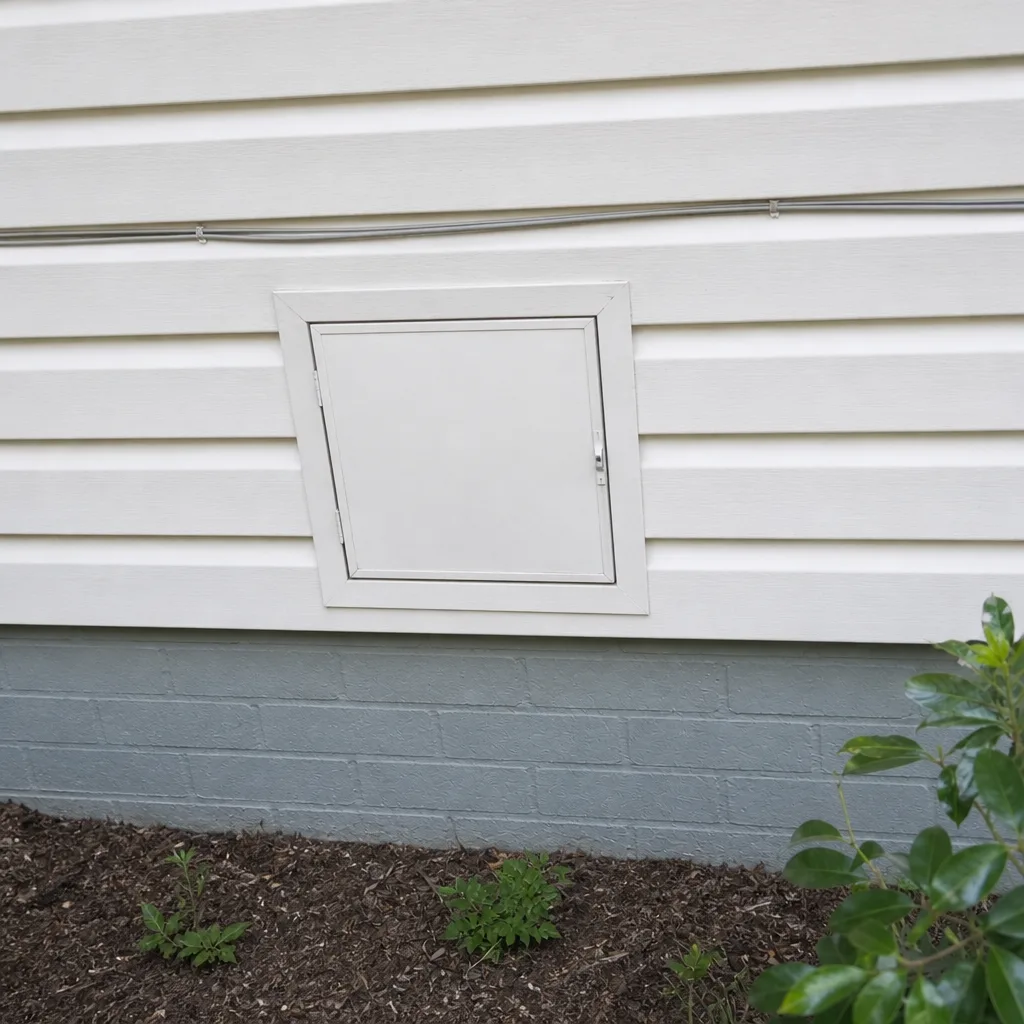
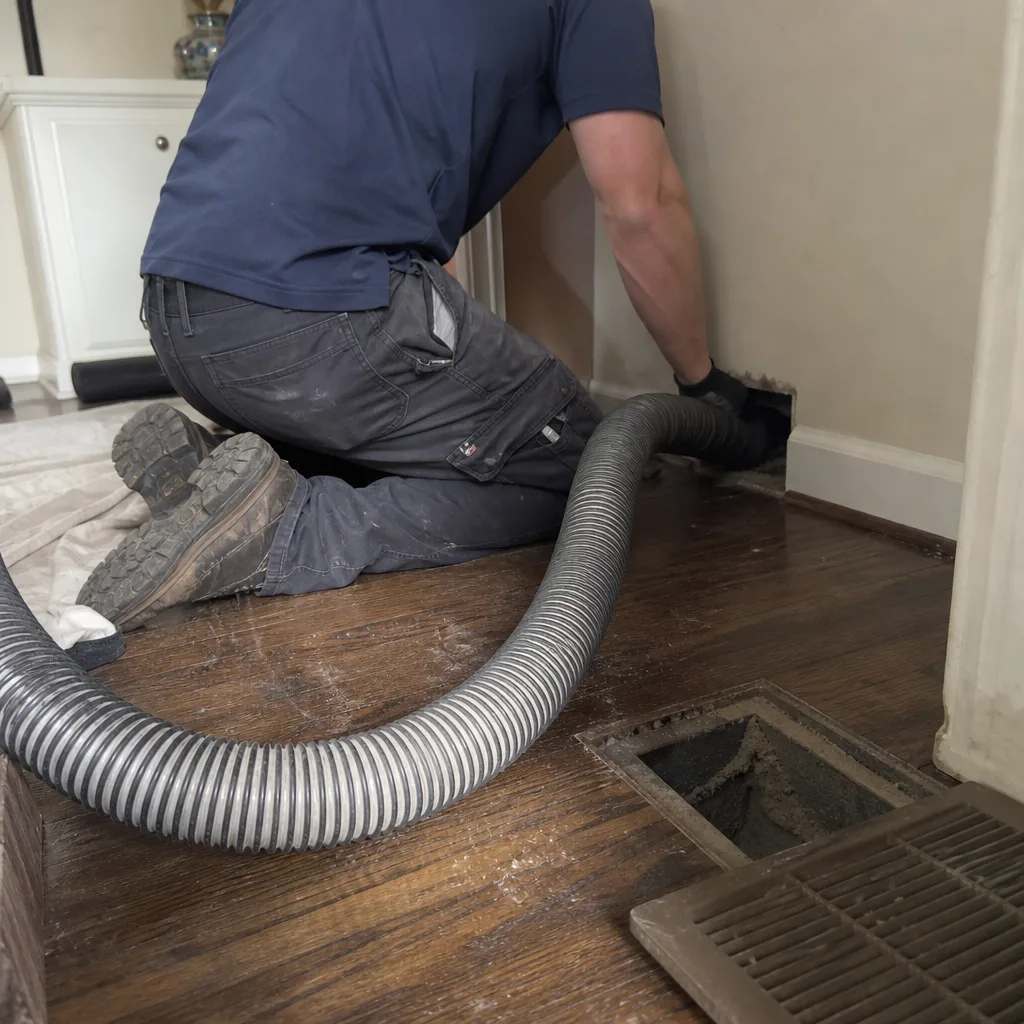
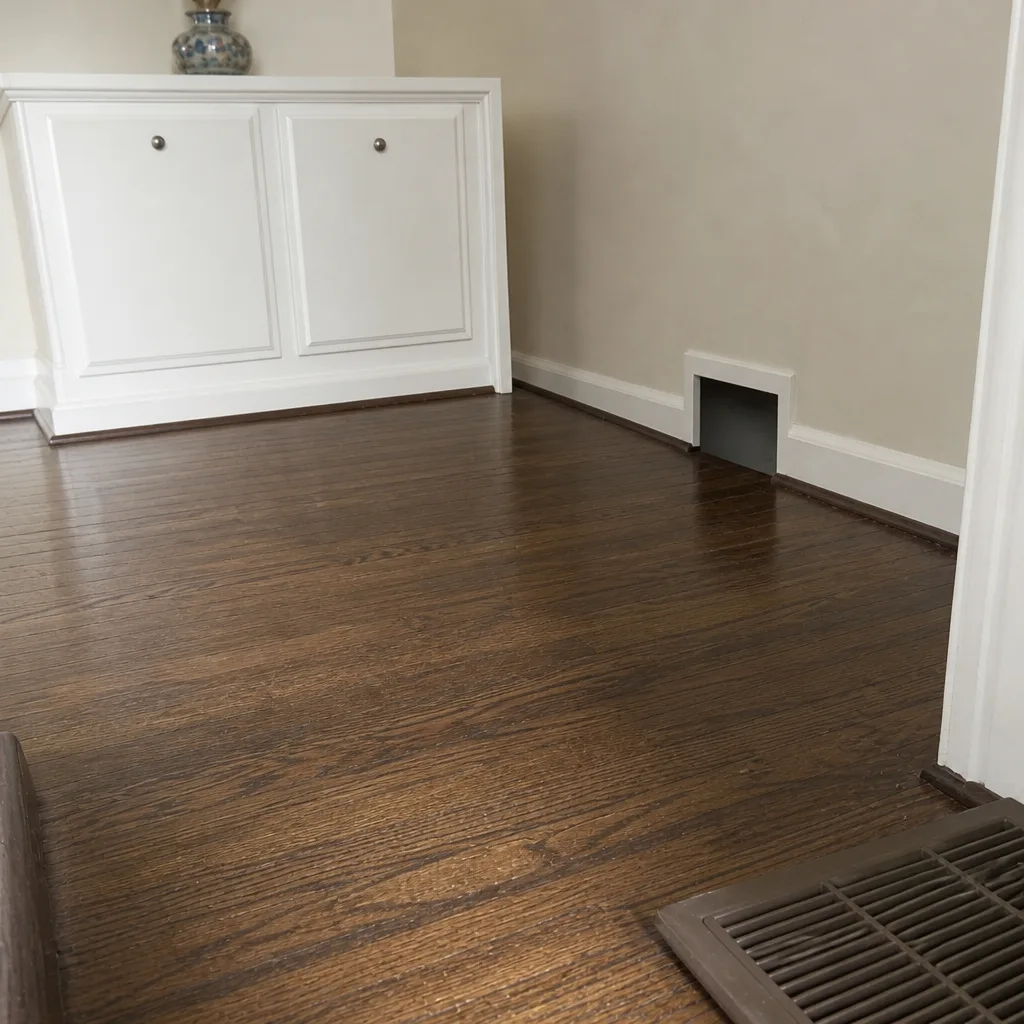
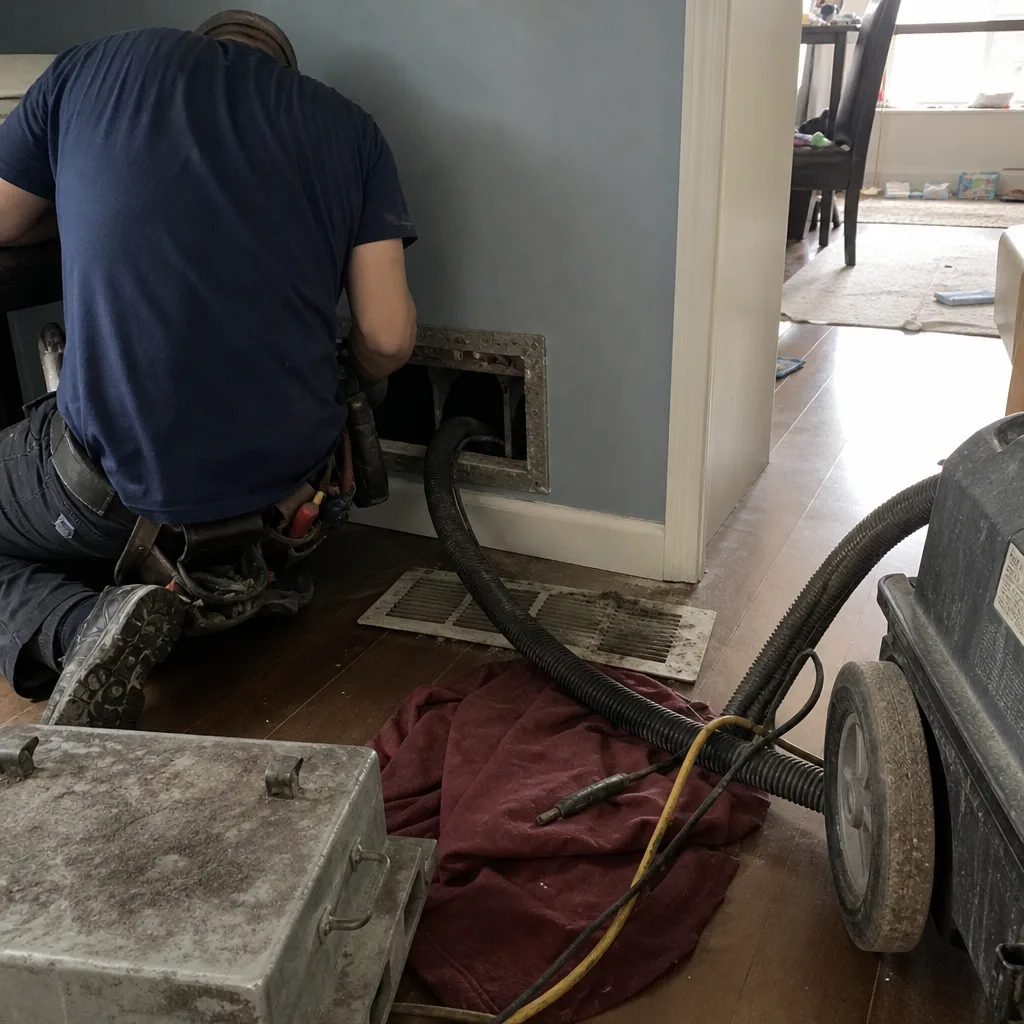
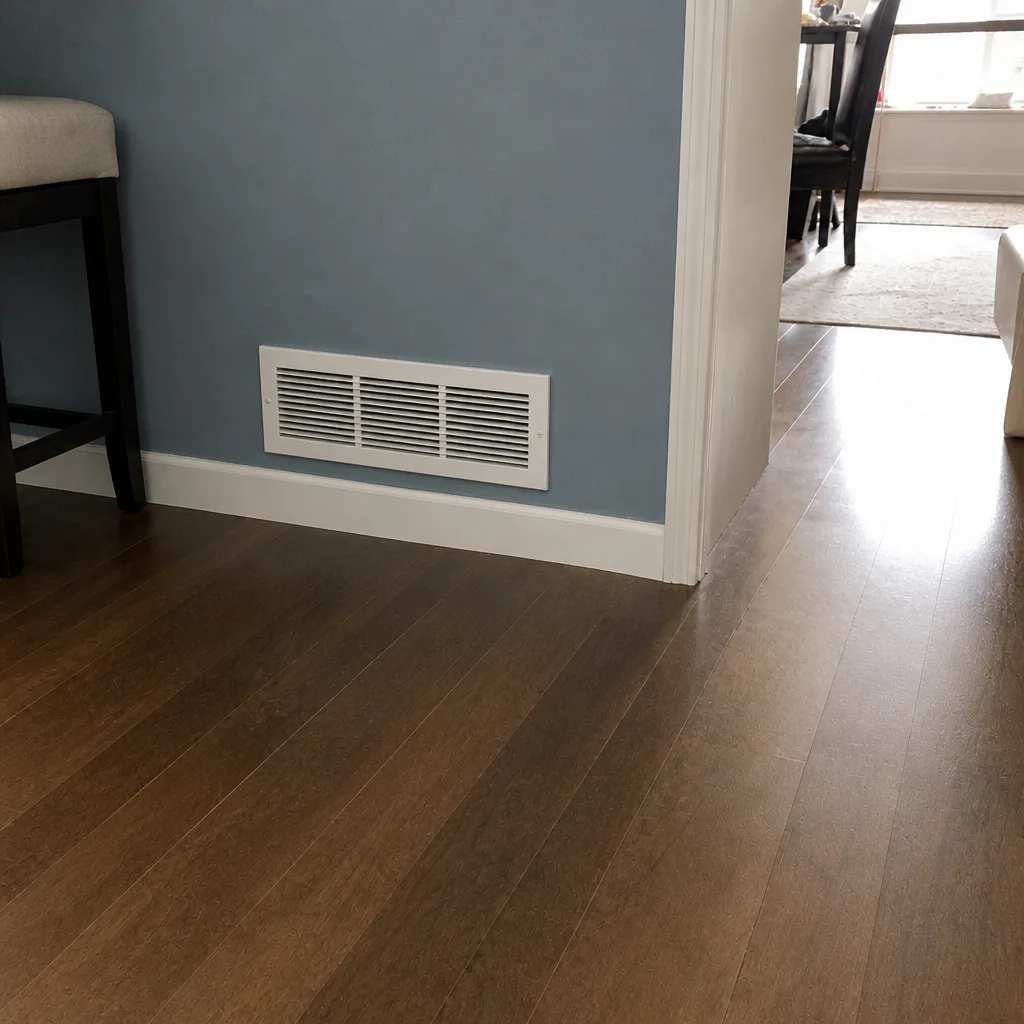
Whole-system duct and dryer vent check with before-and-after photos - you see exactly what came out of your vents
That "$99 whole-house special" is a bait ad - the real number appears once they are in your hallway, or the "clean" is a shop-vac at the register. We photograph the inside of your ducts before and after instead.
Seasonal Air Duct Cleaning Care for Green Hills: Year-Round Homeowner’s Guide
Most homeowners treat duct cleaning as a once-a-decade chore, something to schedule when the vents look dusty or a renovation kicks up debris. That approach ignores how this part of Middle Tennessee actually works. Green Hills doesn’t move through four even seasons. It gets a long, muggy summer, a spring that loads the air with pollen, a short fall that’s easy to mishandle, and a winter that mostly asks you to leave the ducts alone. Each phase hits your ductwork differently, and a generic “clean every few years” schedule misses all of it. This guide breaks the year into four distinct windows, explains what’s happening inside your ducts in each one, and shows you how to time cleaning, sealing, and filter work around Green Hills weather rather than a national rule of thumb.
Quick Answer
The best time to clean air ducts in Green Hills is late winter to early spring, right before cooling season starts and before the March-April pollen peak pushes a heavy load through your system. A second, lighter cleaning window opens in early fall if you run heat pumps or have had summer humidity problems. Winter is mainly for filter management and duct-seal checks, not full cleaning. Build the schedule around Green Hills’ real climate – a humid summer, a pollen-heavy spring, and a fall shoulder season – and your ducts stay cleaner with less frequent deep work.
Styles & brands we work with
- Whole-home duct cleaning
- Dryer vent cleaning
- Camera inspection
- Sanitizing & deodorizing
Table of Contents
- Why Green Hills Climate Changes Your Duct Schedule
- Spring: The Highest-Value Cleaning Window in Green Hills
- Summer: Humidity, Mold Risk, and Oversized AC Units
- Fall: What to Inspect Before You Switch to Heat
- Winter: Filters, Seals, and Low-Priority Cleaning
- How to Build a 12-Month Green Hills Duct Schedule
- Common Mistakes to Avoid
- When to Call a Professional
- Frequently Asked Questions
Why Green Hills Climate Changes Your Duct Schedule
Generic duct-cleaning advice is written for an average American house in an average American climate. Green Hills isn’t average. Sitting in the Nashville basin, the area runs hot and humid from late spring through early fall, with stretches where relative humidity climbs well above 60 percent for days at a time. Spring delivers one of the heaviest pollen loads in the Southeast, with tree pollen peaking in March and April and grass pollen following in May and June. Fall is short and mild – a genuine shoulder season where many homes barely run the heat or the AC for weeks.
That pattern matters because duct contamination isn’t one thing. It’s a mix of settled dust, pollen, mold spores, pet dander, and construction debris, and each builds up on a different timetable:
- Pollen infiltrates through return ducts and outdoor-air intakes hardest in spring, and it settles on duct surfaces where the air moves slowest.
- Moisture-driven growth becomes a concern in summer, when humid air and a cold evaporator coil can create condensation inside the system.
- Settled dust and debris accumulate year-round but get stirred up whenever airflow changes – like the first time you switch from cooling to heating.
- Seal failures worsen over time and pull unconditioned attic or crawlspace air into the system, which is a year-round problem that fall and winter inspections catch.
The practical result: Green Hills homes benefit from timing their deep cleaning to the late-winter and early-spring window, then using fall and winter for inspection and sealing rather than full cleaning. This guide covers each season in turn. If you want the service itself explained before you plan, our Air Duct Cleaning Green Hills page lays out what a full-system cleaning involves.
Spring: The Highest-Value Cleaning Window in Green Hills
Late February through early April is the single best time to clean ducts in Green Hills, and it comes down to timing. You want the system clean before the AC starts running daily and before the pollen peak. If your HVAC kicks on in March with a winter’s worth of settled dust still coating the return ducts, every room in the house gets a share of that load at once. Cleaning before cooling season means the first big air movement of the year pushes clean air, not accumulated debris.
Spring is also when pollen infiltration is at its worst. Green Hills sits in a basin where tree and grass pollen settle heavily, and return ducts are the system’s main intake. Pollen that gets drawn in sticks to duct walls, especially on the return side where airflow is slower. A professional cleaning that mechanically agitates those surfaces and extracts the debris is far more effective than waiting until summer, when that pollen has had months to combine with humidity and settle deeper.
What spring cleaning should actually involve
- Containment setup first. Negative-air containment keeps dislodged dust and pollen out of your living space during the job. We use Abatement Technologies containment methods for exactly this reason.
- Mechanical agitation of every duct run. Contact cleaning with a Rotobrush system scrubs duct surfaces rather than just blowing air through them.
- HEPA-filtered extraction. Nikro HEPA equipment pulls the loosened debris out and traps it, the same grade of equipment used in contaminant remediation.
- Sanitizing where it’s warranted. If the system shows moisture or organic buildup, an air quality sanitizing step addresses it before cooling season.
- A seal check. Spring is a good time to catch leaking joints before summer humidity finds them.
If you’re planning spring work, pair the cleaning with our air duct cleaning service so the full system – supply, return, and registers – gets treated in one visit.
Summer: Humidity, Mold Risk, and Oversized AC Units
Summer is when Green Hills ductwork faces its toughest test, and humidity is the reason. When relative humidity stays above 60 percent for extended stretches – common here from June through September – the conditions inside a duct system can support mold and mildew growth, especially on damp surfaces near the evaporator coil and in ducts that pass through unconditioned spaces. Mold spores are always present in indoor air; the question is whether your ducts give them a place to settle and grow.
Oversized air conditioning units make this worse. A system that’s too large for the house cools the air quickly and shuts off before it has run long enough to pull meaningful moisture out of the air. The result is short cycling: brief bursts of cooling, poor dehumidification, and a house that feels clammy even with the thermostat set low. In a Green Hills home with a short-cycling AC, duct surfaces stay damper longer, and that’s where moisture problems take hold.
What to watch for in summer
- A musty or earthy smell when the AC runs is the clearest sign of moisture-driven growth somewhere in the system.
- Condensation on vents or duct runs in humid weather points to a supply duct that isn’t properly insulated or sealed.
- Visible spotting or discoloration around registers or on accessible duct surfaces deserves a professional look.
- Allergy symptoms that worsen indoors in summer can track back to what’s circulating through the ducts.
Summer isn’t usually the time for a full cleaning if you handled spring properly. It’s the time for inspection, sanitizing if moisture is present, and sealing leaks that let humid attic air into the system. Our HVAC cleaning service covers the coil-and-blower side of the system, which is where a lot of summer moisture issues start.
Fall: What to Inspect Before You Switch to Heat
Fall in Green Hills is a genuine shoulder season – mild enough that many homes run neither heat nor AC for weeks. That quiet stretch is the perfect window to inspect the system before the first cold snap, and it’s where a lot of homes get it wrong. The first time you switch from cooling to heating, airflow patterns change and any dust that settled over the summer gets pushed through the house. A fall inspection catches problems before that happens.
The inspection differs depending on what heats your home. Here’s how to think about the two main types in this area:
Heat pump homes
- Heat pumps move air year-round, so ducts see continuous use. Check seals at joints and connections, since a heat pump running in heating mode can pull in cooler, damper air from unconditioned spaces.
- Listen for rattling or whistling at registers – ductwork that’s coming loose often shows up first when the system switches modes.
- Change the filter before the first heating cycle, not after.
Gas furnace homes
- Gas furnaces produce warmer supply air than heat pumps, which can dry out and shrink duct sealant over time. Fall is when to check for gaps at seams and connections.
- Confirm the return-air path is clear and the filter is seated properly before the burner runs regularly.
- If you notice any unusual smell when the heat first comes on – beyond the normal dust-burning-off smell of the first cycle – have the system checked. Gas-related concerns are a job for a qualified professional, not a DIY inspection.
Fall is also a smart time to book a duct-seal check alongside a full-system look. Leaky ducts waste conditioned air all winter, and sealing them is one of the highest-value things you can do going into heating season.
Winter: Filters, Seals, and Low-Priority Cleaning
Winter is the lowest-priority season for duct cleaning in Green Hills, and that’s fine. Once the system is running heat steadily, a full cleaning stirs up more than it settles, and the outdoor conditions that drive heavy contamination – pollen, high humidity – are at their mildest. Rather than a deep clean, winter is for the maintenance tasks that protect the work you did in spring and fall.
Winter duct maintenance checklist
- Stay on top of filter changes. A furnace running daily loads a filter faster than a cooling system does. Check it monthly and replace it when it’s visibly loaded, using the filter your system was designed for.
- Check duct seal integrity. Cold snaps make leaks more obvious – you may feel drafts near registers or notice rooms that never quite warm up. That’s often a seal problem, not a heating problem.
- Watch for condensation and musty smells. Even in winter, a heat pump can create moisture issues if seals are failing.
- Keep returns clear. Furniture, rugs, and storage blocking return grilles choke airflow and reduce system efficiency.
- Note any new noises. Rattling, popping, or whistling at ducts is worth a professional look before it becomes a bigger repair.
If you use a whole-home humidifier in winter – many Green Hills homes do, given how dry heated indoor air gets – that’s a good time to have the system checked for mineral buildup and proper function. We work with Honeywell and Aprilaire humidification and filtration equipment and can advise on keeping those systems running clean alongside your ducts.
How to Build a 12-Month Green Hills Duct Schedule
The right schedule for a Green Hills home follows the local climate, not a national “clean every three to five years” default. Here’s how to map the year:
- Late February to early April – deep clean. Full-system cleaning with containment, mechanical agitation, and HEPA extraction, timed before cooling season and the pollen peak. This is your anchor appointment.
- April through June – filter discipline. Pollen season loads filters fast. Check monthly and replace as needed.
- July through September – inspect and sanitize. If you notice musty smells or moisture signs, book an inspection and sanitizing rather than a full clean. Address any short-cycling AC issues with an HVAC professional.
- Late September to October – pre-heating inspection. Check duct seals, confirm filter seating, and address any gaps before the heat comes on.
- November through February – maintenance mode. Monthly filter checks, seal monitoring, and no deep cleaning unless a specific problem shows up.
Two other items belong on the list regardless of season. First, if you’ve had a renovation, water damage, or pest issue, that’s a trigger for cleaning outside the normal cycle. Second, dryer vent cleaning should happen annually no matter the season – lint buildup is a fire risk that has nothing to do with your HVAC schedule. Our dryer vent cleaning service handles that as a standalone job.
A quick reference table
- Spring (Mar-Apr): Deep clean – highest value window
- Summer (Jun-Sep): Inspection and sanitizing; watch humidity
- Fall (Sep-Oct): Pre-heating seal and system check
- Winter (Nov-Feb): Filter management and seal monitoring
- Any season: Dryer vent cleaning, post-renovation cleaning
Common Mistakes to Avoid
- Cleaning in summer instead of spring. By the time cooling season is in full swing, pollen and winter dust have already been distributed through the house. Clean before the system starts its heavy run, not after.
- Assuming a short-cycling AC is normal. In Green Hills humidity, an oversized unit that shuts off early leaves the house damp and puts duct surfaces at risk. That’s an HVAC sizing issue worth addressing, not just a duct-cleaning one.
- Skipping the fall seal check. Leaky ducts waste conditioned air all winter and pull in attic or crawlspace air. A quick seal inspection in fall is one of the best-value steps in the whole schedule.
- Ignoring dryer vents because they’re not HVAC. Lint buildup is a fire hazard that most duct cleaners skip. Have it cleaned annually.
- Choosing a low up-front price over a contained, equipment-grade clean. A quote that’s dramatically cheaper often skips containment and HEPA extraction, which means debris gets redistributed rather than removed.
- Cleaning ducts without addressing the filter and humidifier. A clean duct system hooked to a clogged filter and a mineral-crusted humidifier won’t stay clean. Treat the whole system.
- Waiting for visible dust before booking anything. By the time dust is obvious at the registers, the return ducts have been loading up for months. Time the work to the season, not to what you can see.
When to Call a Professional
Some duct work is a homeowner task – filter changes, keeping returns clear, watching for drafty registers. The rest isn’t. Call a professional if you smell something musty or earthy when the system runs, if you’ve had water damage or a renovation, if anyone in the house has allergy or respiratory symptoms that worsen indoors, if you see visible mold or spotting near vents, or if your ducts are leaking and you need them sealed. If you’re not sure whether your system needs a full clean or just an inspection, that’s a question worth asking directly. Air Duct Cleaning Green Hills offers free estimates in Green Hills – call (855) 658-4338. We answer 24/7, and dispatch runs from 7am to 7pm, Sunday through Friday.
Frequently Asked Questions
Most Green Hills homes do well with a deep cleaning every two to three years timed to late winter or early spring, plus an annual inspection in fall. Homes with pets, allergies, recent renovations, or a short-cycling AC may need more frequent attention. The schedule should follow the local climate, not a generic national recommendation.
Yes, late February through early April is the highest-value window in Green Hills. It’s before cooling season starts and before the March-April pollen peak, so the system distributes clean air instead of a winter’s worth of dust. Cleaning in summer means you’ve already pushed that load through the house.
It can, especially when relative humidity stays above 60 percent for extended periods, which happens in Green Hills summers. Oversized AC units that short-cycle make it worse by failing to dehumidify properly. A musty smell when the system runs is the clearest sign to have it inspected.
Yes. Heat pumps run year-round and pull in cooler, damper air in heating mode, so seal checks matter most. Gas furnaces produce warmer supply air that can dry out and shrink duct sealant, so checking seams and connections is the priority. Both benefit from a filter change before the first heating cycle.
Usually not. Winter is the lowest-priority season in Green Hills because pollen and humidity are at their mildest. Focus on filter changes and seal checks instead, and save deep cleaning for the spring window unless you have a specific problem like water damage or a renovation.
Pricing depends on the size of your system, the number of runs, and whether you need sanitizing or sealing added. We set one flat price per system from a written estimate before any work starts, and the estimate is free. Call (855) 658-4338 for an exact quote – estimates are free.
The Bottom Line
Green Hills doesn’t hand you four identical seasons, and your duct care shouldn’t pretend it does. Deep-clean in late winter or early spring, before cooling season and the pollen peak. Watch humidity and inspect for moisture in summer, especially if your AC short-cycles. Use fall to check seals and prepare for heat, whether you run a heat pump or a gas furnace. Keep up with filters and seal checks through winter, and leave the deep work for spring. Add dryer vent cleaning once a year regardless of season, and you’ve got a schedule built for this climate rather than a generic one. If you’d rather hand the planning to a specialist, Air Duct Cleaning Green Hills handles cleaning, sanitizing, repair, and sealing in one call. Call (855) 658-4338 for a free estimate. We answer 24/7. Fast dispatch from 7am to 7pm, Sunday through Friday.
Written by the team at Air Duct Cleaning Green Hills.
See the difference
 Before
 After
 Before
 After
 Before
 After