
Last updated November 24, 2026
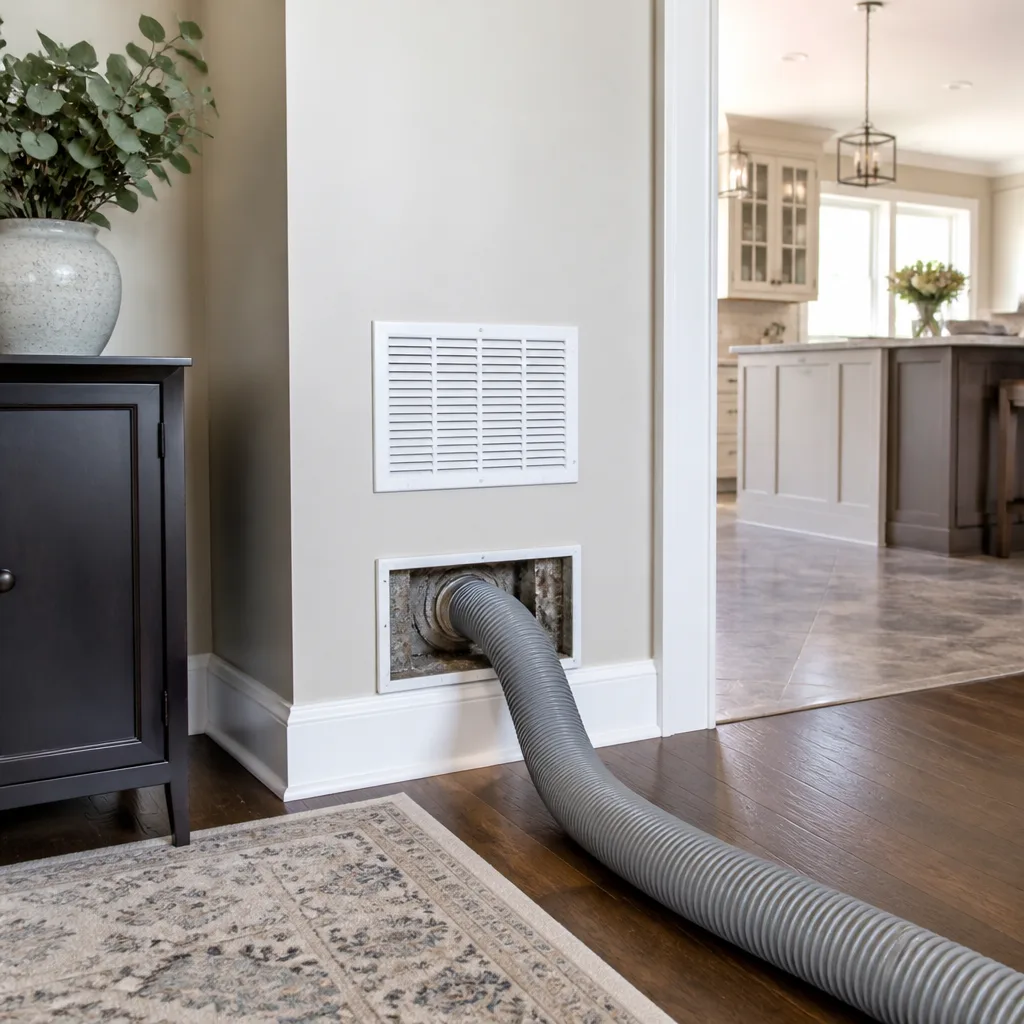 Whole-home duct cleaning
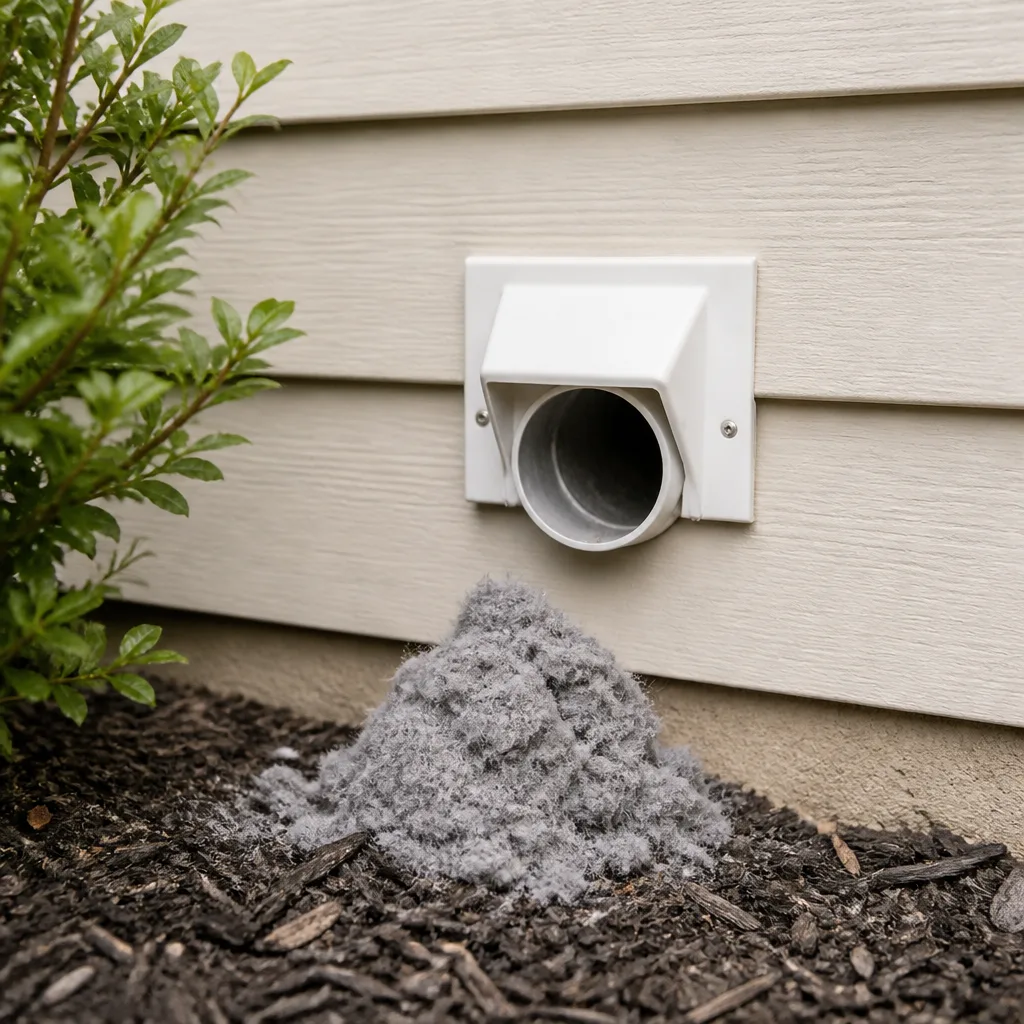 Dryer vent cleaning
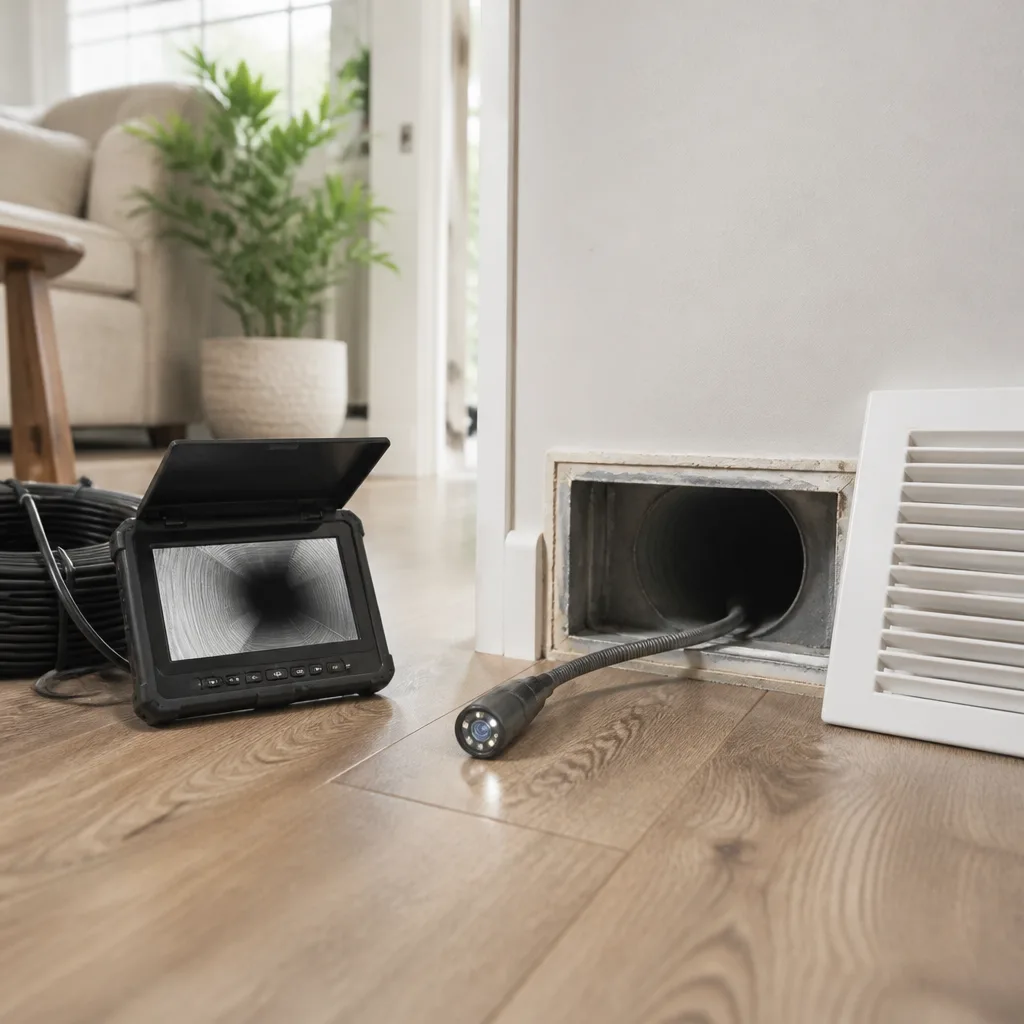 Camera inspection
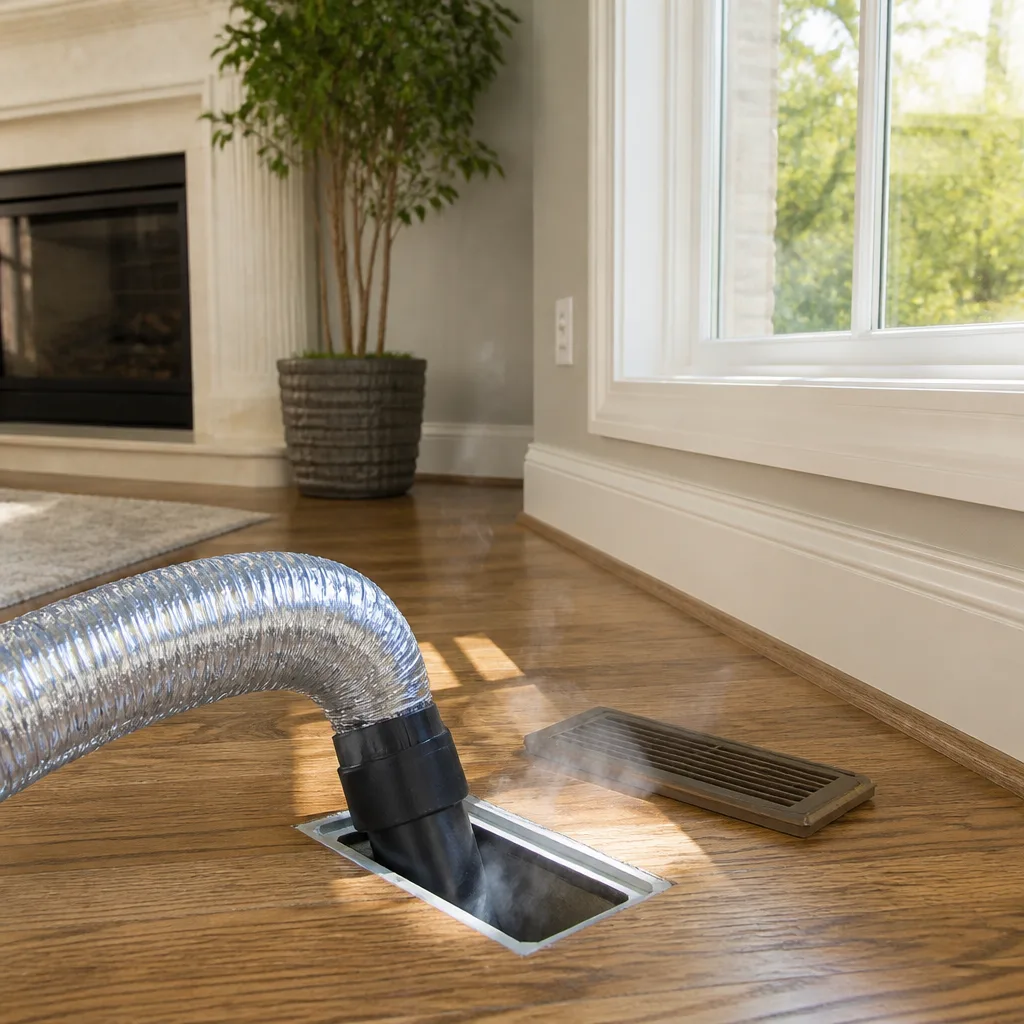 Sanitizing & deodorizing
Whole-system duct and dryer vent check with before-and-after photos - you see exactly what came out of your vents
That "$99 whole-house special" is a bait ad - the real number appears once they are in your hallway, or the "clean" is a shop-vac at the register. We photograph the inside of your ducts before and after instead.
How to Hire an Air Duct Cleaning Contractor in Green Hills: A Step-by-Step Guide
The $49 whole-house duct cleaning coupon in your mailbox isn’t a deal. It’s a business model. That price exists to get a van in your driveway, and everything after that point is designed to make up the difference: add-on sanitizing sprays, mold discoveries, “severely clogged” branches you can’t see. The national air duct cleaning industry has a documented bait-and-switch problem, and the screening that protects you is more specific than “get three quotes.” In this guide, we walk through the questions, paperwork, and equipment checks that separate real specialists from a vacuum and a hose. If you live in Green Hills, these steps are the difference between clean air and a $900 surprise.
Quick Answer
Hiring an air duct cleaning contractor in Green Hills means verifying three things before you book: the equipment (a contact-cleaning brush system plus HEPA-filtered negative-pressure vacuum, not a shop vac), the process (containment to keep dislodged dust out of your living space), and the paperwork (a written quote with line items and before-and-after photos of your specific ducts). Anyone who quotes a whole-house price over the phone without seeing your system, or who leads with a coupon figure, is telling you how the job will end. Get a written, itemized estimate, confirm what standard they work to, and never pay extra for “sanitizing” you didn’t ask for.
Styles & brands we work with
- Whole-home duct cleaning
- Dryer vent cleaning
- Camera inspection
- Sanitizing & deodorizing
Table of Contents
- What makes duct cleaning so fraud-prone?
- What the ACR standard actually requires
- The equipment questions to ask before booking
- How to read a duct cleaning quote
- What a legitimate pre-job inspection looks like
- Post-job documentation you should expect
- Red flags specific to Green Hills homes
- The seven-step hiring process
What makes duct cleaning so fraud-prone?
Duct cleaning is fraud-prone because the work happens in spaces the homeowner can’t see, and the customer can’t easily verify whether it was done. The ducts run through walls, crawlspaces, and attic chases. When the technician leaves, your registers look the same, the air sounds the same, and nobody’s peering into a boot connector under the second-floor landing to check brush marks. That gap between what’s promised and what’s observable is where the bad actors live.
The result is a market split cleanly in two. On one side are specialist IAQ contractors who use equipment built for the job: Rotobrush contact-cleaning systems with rotating brush heads and simultaneous extraction, Nikro HEPA vacuums that truly capture fine particulate, and containment protocols borrowed from mold and asbestos remediation. On the other side are generalist operators who buy a $400 shop vac, promote a coupon, and price the whole house at a number that can’t possibly cover a 2-hour job, two technicians, and real equipment depreciation.
NADCA (the National Air Duct Cleaners Association) has documented bait-and-switch in residential air duct cleaning for years. The pattern is almost always the same: a teaser coupon, a “discovery” on site, an upgrade the technician insists you need, and a final invoice many times the coupon. Green Hills has its share of older housing stock where duct systems are long, complex, and easy to misrepresent, which makes knowing what to ask even more important here.
What the ACR standard actually requires
The ACR standard, short for Assessment, Cleaning, and Restoration, is the industry’s formal framework for what a duct cleaning job is supposed to involve. It’s not a marketing badge. It’s a written procedure that specifies how a contractor evaluates your system, cleans it, and verifies the result. Knowing what the ACR standard covers is one of the cleanest ways to spot a company that actually works to a standard versus one that doesn’t.
In plain terms, a contractor working to the ACR standard will do these three things in order:
- Assess. Inspect the visible system, the air handler, the return and supply trunks, and any accessible plenums. Determine what type of duct (sheet metal, flex, fiberglass duct board) you have, whether there’s a liner, and where contamination is present.
- Clean. Use source-removal methods (contact agitation) with a vacuums system that captures the loosened debris under negative pressure. The ACR standard does not accept chemical fogging or blasting air alone as “cleaning.”
- Restore and verify. Return the system to pre-cleaning operating conditions, replace or re-seat components, and provide documented evidence that the cleaning met a defensible standard.
When you ask a Green Hills contractor “do you follow the ACR standard,” listen carefully. A specialist gives you a specific answer, references the phases above, and can explain how they document each one. A franchise saying “yes” without elaboration is often just repeating the acronym back. Ask follow-up questions: how do they assess a sealed duct run they can’t fully see, and how do they verify the final condition? That conversation tells you whether ACR is part of their process or part of their sales pitch.
The equipment questions to ask before booking
The single best filter for separating specialists from van-and-vacuum operations is the equipment conversation. Most homeowners don’t know what to ask, so they default to price. Here’s the script to flip that. Ask these questions exactly, and listen for specific answers.
What cleaning method do you use?
The right answer describes contact cleaning: a rotating brush or air whip physically agitates dust off the duct wall while a vacuum pulls it out simultaneously. Rotobrush systems are the most common professional-grade version of this. If the answer is “we blow pressurized air through and it comes out the returns,” you’re talking to an operator who will redistribute debris through your house, not remove it from the system.
What level of negative pressure do you use?
Negative pressure keeps the dislodged dust from escaping into the living space. A specialist uses a commercial HEPA vacuum (Nikro is our pick) that captures fine particles, not a wet/dry shop vac whose exhaust simply moves the dust from the duct into the hallway. Ask what their vacuum’s filtration rating is. “Hepa” is the answer you want to hear; “high-efficiency” or “powerful” is not.
Do you contain the workspace during cleaning?
Abatement Technologies negative-air machines and containment barriers are the industry approach used in mold and contaminant remediation. They keep the dust cloud from the removal process inside the cleaned area, not in your family room. A contractor who answers “we just close the registers” is telling you the dust is going somewhere in your home. Green Hills homes with open floor plans and hardwood floors are particularly unforgiving here: a fine dust plume in a stairwell settles into a 10-foot radius.
How many technicians come, and how long does the job take?
A real whole-house air duct cleaning on a typical Green Hills home is a 2-4 hour job with two technicians, not a 45-minute sweep. The number of registers and the length of the runs determine the time. If a company quotes a short window for a large home, ask why. The schedule is a proxy for the depth of the work.
How to read a duct cleaning quote
Reading a duct cleaning quote correctly is about recognizing what’s missing, not just adding up what’s there. A legitimate quote is itemized and written. A suspicious quote is a single number, often linked to a coupon, often presented verbally, and often paired with the phrase “but that depends on what we find.”
Here’s what a specialist’s written quote should contain as line items:
- Number of supply and return openings. Each should be listed. A “whole-house” line without opening count isn’t a quote; it’s an offer to figure it out later.
- Cleaning method and equipment. Named: rotating brush system, HEPA vacuum, containment.
- Air handler and coil cleaning as a separate line, or explicitly excluded.
- Sanitizing listed as an optional add-on with the product named (Honeywell and Aprilaire products are common in whole-home setups), not bundled into a mandatory total.
- Dryer vent cleaning as a separate line if you want it done. Many duct cleaners skip this entirely, though it’s one of the more important fire-safety services in a home.
- Documentation included. Before-and-after photos, a written service report, and any notes on system condition.
- Written estimate total, with a clear statement that it’s the price you’ll pay unless the system condition justifies a written change order you approve.
Watch for these signals of an upsell operation: a base price that’s suspiciously low, no opening count, “free” sanitizing that appears as a mandatory upgrade on-site, and an inspector who arrives with a clipboard but no equipment. One flat price per system, agreed before work starts, is the honest model. Anything else puts the pricing decision in the hands of the person who stands to benefit from it, after your ducts are already open.
The full-system job is also where specialty shows. If a company only cleans the supply side and leaves the returns and the air handler alone, your system isn’t clean. We handle the full duct ecosystem in one call, which means Air Duct Cleaning Green Hills jobs don’t require you to coordinate a separate air-handler contractor, a separate dryer vent tech, and a separate sealing specialist. Ask any company you’re screening whether they do all four: cleaning, sanitizing, repair, and sealing. The ones that only do one will price you high on the others or leave them undone.
What a legitimate pre-job inspection looks like
A real pre-job inspection is a diagnostic exercise that takes 15-30 minutes and involves opening access points and looking inside the system with a camera or flashlight before a single brush enters a duct. A technician who arrives and wants to start vacuuming 60 seconds later is not inspecting. They’re skipping the part where they’d learn what they’re dealing with, which is the part that protects you from surprise charges.
Here’s what a legitimate pre-job inspection covers:
- Access to the air handler and coil. The tech opens the air handler panel, looks at the evaporator coil, the blower wheel, and the filter slot. If the coil is matted with dust, that gets noted before cleaning because it changes the scope.
- Camera inspection of trunk lines and branch runs. A small inspection camera through a register or access port reveals whether ducts are sheet metal, flex, or fiberglass duct board, and where heavy buildup is concentrated. A specialist will show you the screen.
- Return and supply verification. Counting and confirming every register matters, because “whole house” quotes go wrong when a homeowner has seven returns the company didn’t know about.
- Filter and cabinet condition. The filter should be checked and the cabinet inspected for gaps or bypass, which is a common source of contamination even after cleaning.
- Dryer vent assessment, if applicable. If your dryer is anywhere near the ductwork, a quick visual on the vent run and exterior termination tells you whether dryer vent cleaning is worth adding to the visit.
After the inspection, you should get an updated written estimate reflecting what was found. That’s normal and good. What’s not normal is a verbal re-quote after the job has already started, with the ducts open and the brush halfway down the main trunk. That’s the moment where bait-and-switch happens, and a proper pre-job inspection removes it.
Post-job documentation you should expect
Post-job documentation is where trustworthy contractors distinguish themselves without being asked. The best contractors hand you a package before you ask for one: photos, a service report, and honest notes on what they found and what they couldn’t reach. If you have to chase a company for proof the work happened, the work may not have happened the way it was billed.
A complete post-job package should include:
- Before-and-after photos of the same duct sections, taken from the same angle. Ask specifically whether you’ll see your ducts or stock images. If they can’t show you yours, the photos are marketing, not documentation.
- A written service report listing each register cleaned, the air handler and coil condition, and any duct defects found (loose joints, damaged flex, disconnected runs).
- Notes on air quality add-ons if any were installed or recommended, including specific products. Honeywell and Aprilaire filtration and humidification systems are the ones most often in play, and a specialist will document what your home already has so future service is straightforward.
- Sealing recommendations in writing if the inspection found leaks. Duct sealing is one thing that should not be sold in the same breath as cleaning; the diagnosis and the fix are separate decisions.
- A second photo set if you had dryer vent work done showing the vent run and exterior termination after cleaning.
Expect the package within 24 hours of the visit by email or on the spot in printed form. Ask upfront whether before-and-after photos are included in the price. A company that charges extra for documentation is pricing the proof, which is the wrong way around. Your written service report is the record if you sell the house or the system needs follow-up later, so treat it as part of the job.
Red flags specific to Green Hills homes
Green Hills’ mix of long-established neighborhoods, mature trees, and a wide range of housing eras creates a few specific screening scenarios that most generic hiring guides won’t flag. If you’re in Forest Hills, Belle Meade, Oak Hill, or the neighborhoods off Hillsboro Pike, these are the patterns to watch for.
- A “whole-house” price with no opening count. Older Green Hills homes often have more returns than a modern build. A quote that doesn’t count openings isn’t a quote.
- No mention of the air handler. If the technician only addresses ducts and leaves the coil and blower alone, your indoor air quality won’t improve much. The coil is where a lot of the buildup lives.
- Chemical fogging pitched as “sanitizing.” A qualified contractor matches the product to the system and notes it separately. A vague “sanitizing spray” add-on is often a $200 upsell with no documented product or benefit.
- Company only offers duct cleaning. A specialist that handles HVAC cleaning as a distinct service (coil, blower, cabinet) alongside the ducts is the better bet; a company that only does ducts may be leaving the source of contamination untouched.
- Coupon mailers with very low headline prices. Green Hills sees these too. The teaser price is the model, not the offer.
- No physical documentation of the process. If the company can’t describe what a negative-air containment looks like, they probably don’t use one.
- Pressure to book on the same call. A reputable contractor will let you think about it. A coupon operation rarely does.
The seven-step hiring process
Here is the exact sequence for hiring an air duct cleaning contractor in Green Hills. It’s short enough to do in a day and thorough enough to filter out the operations you don’t want in your home.
- Decide why you’re cleaning. Recent renovation, allergy symptoms, a new HVAC system, or household dust are all legitimate triggers. Knowing the “why” lets you judge whether the quote addresses the actual concern.
- Shortlist contractors that do the full system. Cleaning, sanitizing, repair, and sealing from one company means fewer handoffs and clearer accountability. The same is true for a general air duct cleaning job. Check whether the company does dryer vent work as a standalone service.
- Ask the four equipment questions in the section above. Method, negative pressure, containment, and crew size. Write the answers down.
- Request a written quote with line items. By email, before the visit. If they won’t quote by email or only give a verbal figure, you’ve learned enough.
- Schedule the inspection and confirm the scope in writing after the tech has seen the system. Any change to the price should come in writing, with you approving before work begins.
- Watch the containment. On the day of the visit, you’ll see whether the crew actually sets up negative-air equipment or just opens registers. The difference is visible within the first 20 minutes.
- Collect the post-job documentation before you pay, including your own duct photos and the service report. That’s your baseline for future maintenance.
Common Mistakes to Avoid
- Choosing on price alone. The lowest quote in Green Hills is almost always a teaser price that becomes a much bigger invoice on-site. A specialty cleaning with real equipment has a floor, and anyone below it is making up the difference in your house. Compare quotes on scope, not on the headline number.
- Skipping the written quote before the visit. A phone quote is not a quote. It’s a conversation. Insist on written line items before anyone comes out. If they won’t put it in writing, the pricing structure is doing something you don’t want to be part of.
- Not asking what “sanitizing” means. Sanitizing is a legitimate add-on when there’s a documented need and a named product. If a technician recommends it before inspecting the system, ask which product and why. Cross-reference what’s already in your home (Honeywell and Aprilaire systems are common) so the recommendation fits your setup.
- Assuming the air handler is included. Many quotes cover the ducts only, which leaves the coil and blower untouched. That coil is often the largest contamination source in a Green Hills home. Confirm the air handler is in scope for a full air duct cleaning visit.
- Forgetting the dryer vent. Duct cleaners often don’t mention dryer vent cleaning, but a lint-clogged vent run is a serious fire-safety issue. If you’re already on the schedule, add it as a separate line item rather than assume it’s included.
- Paying before you’ve seen the documentation. The photos and service report are part of what you’re buying. Withhold payment until you have them, and read the report before you file it away.
- Overlooking the post-cleaning recommendations. If the contractor recommends duct sealing or a filter upgrade after cleaning, get it in writing and treat it as a separate decision. Sealing fixes the leak; cleaning keeps the ducts clean. They’re different problems and different projects.
See the difference
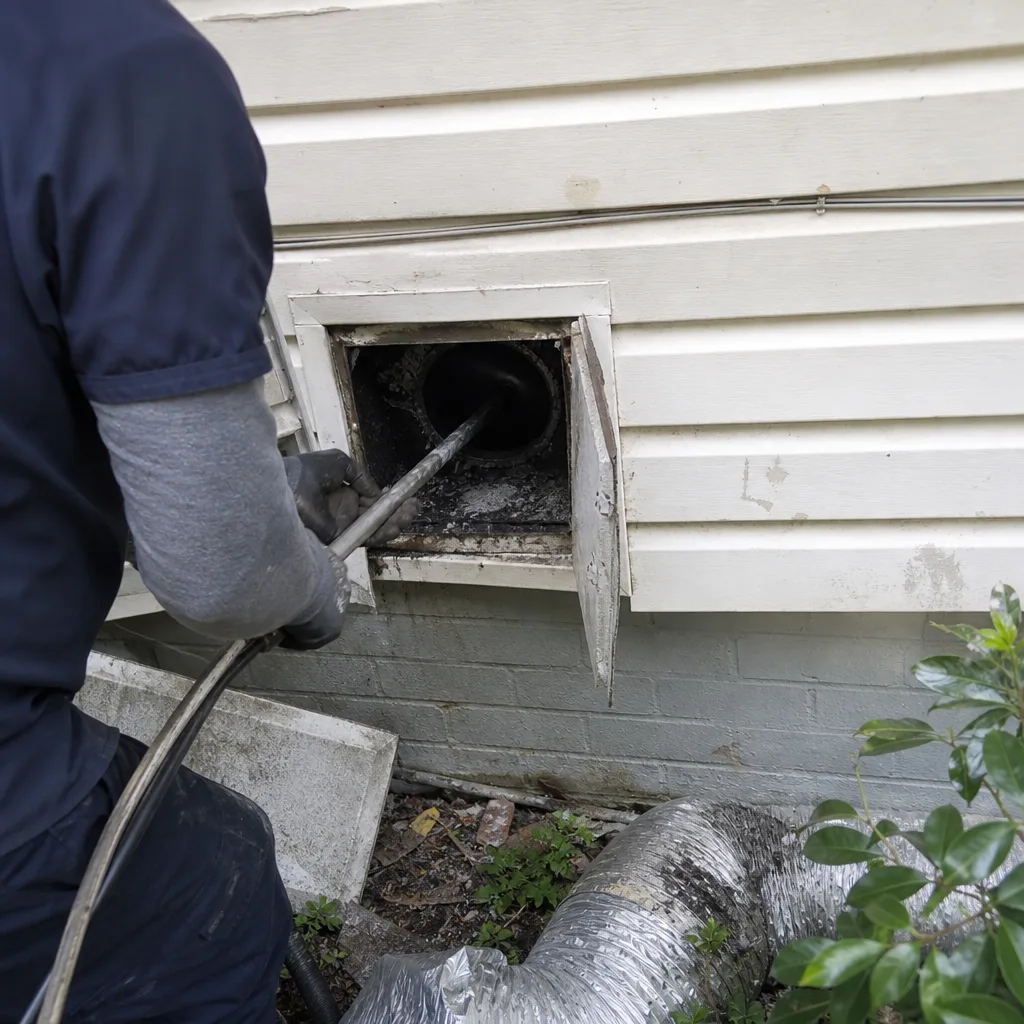 Before
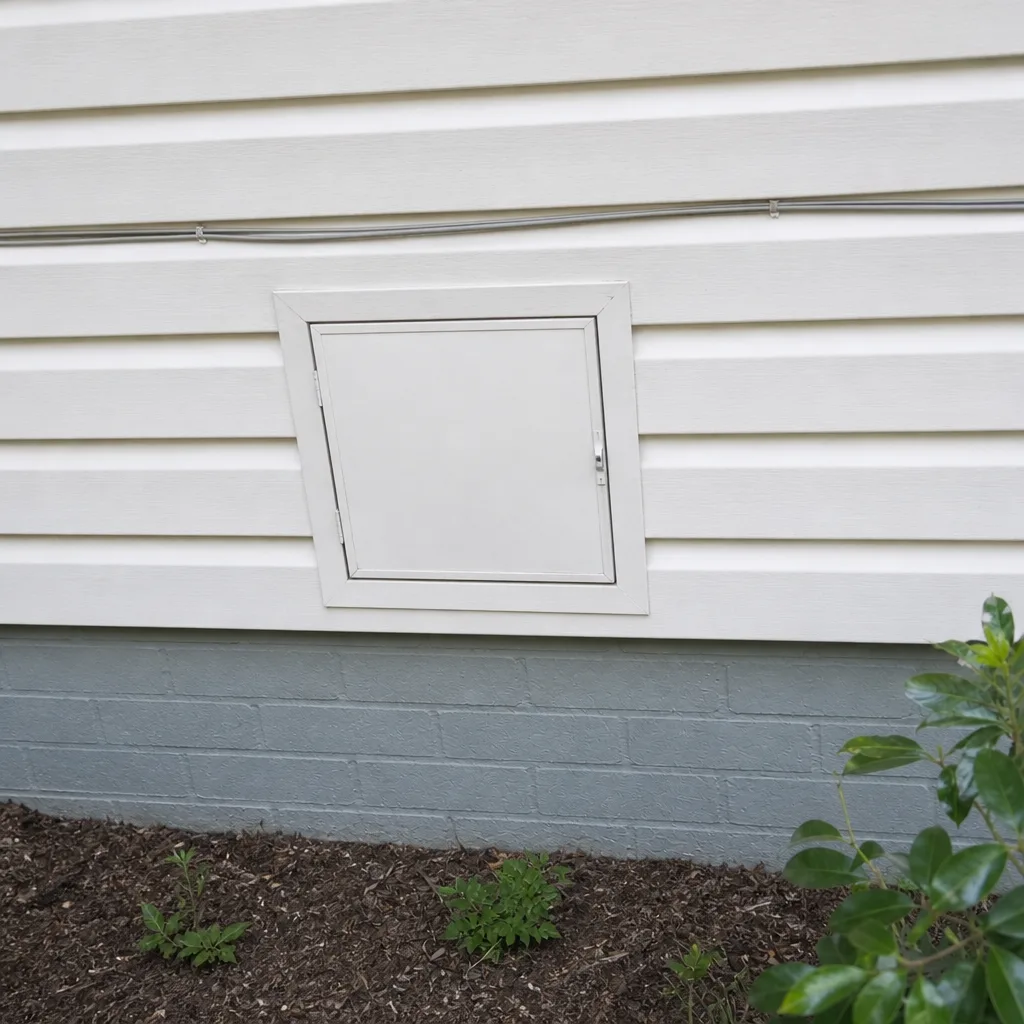 After
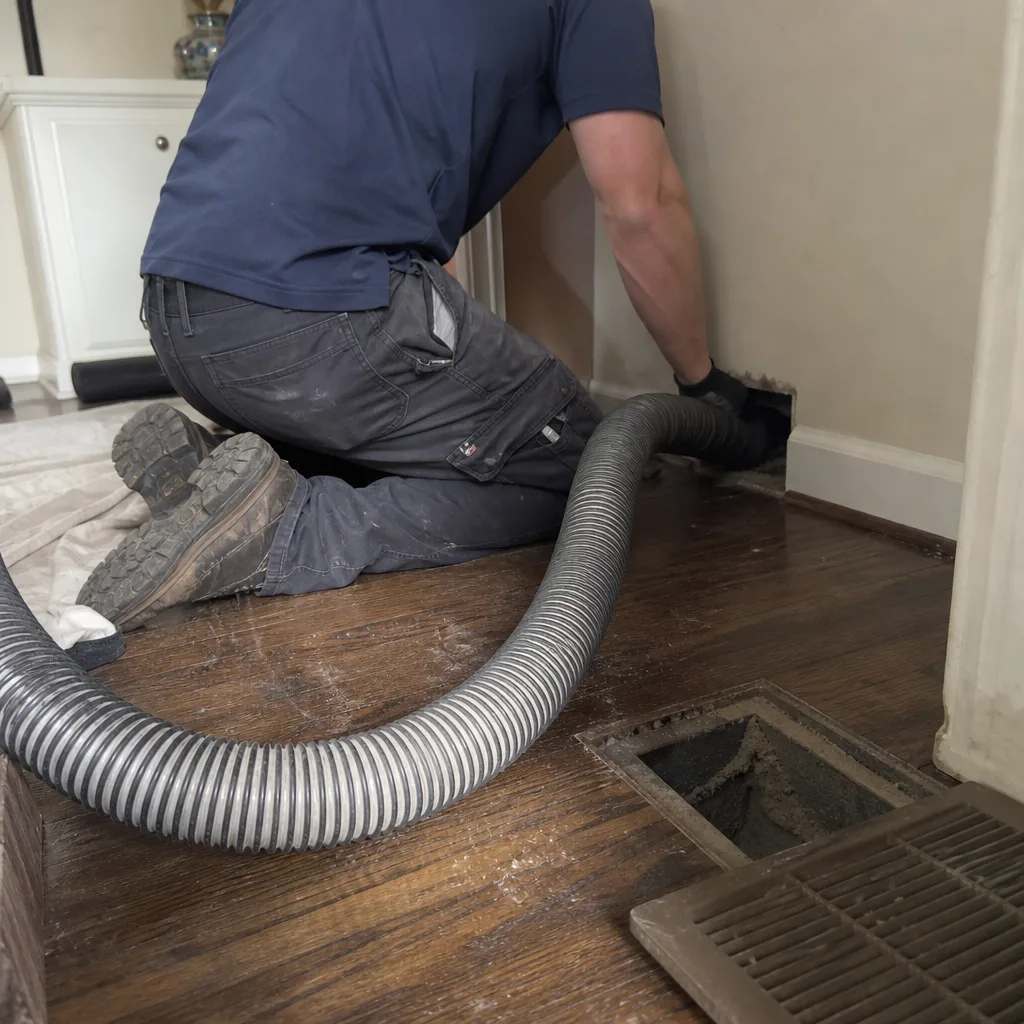 Before
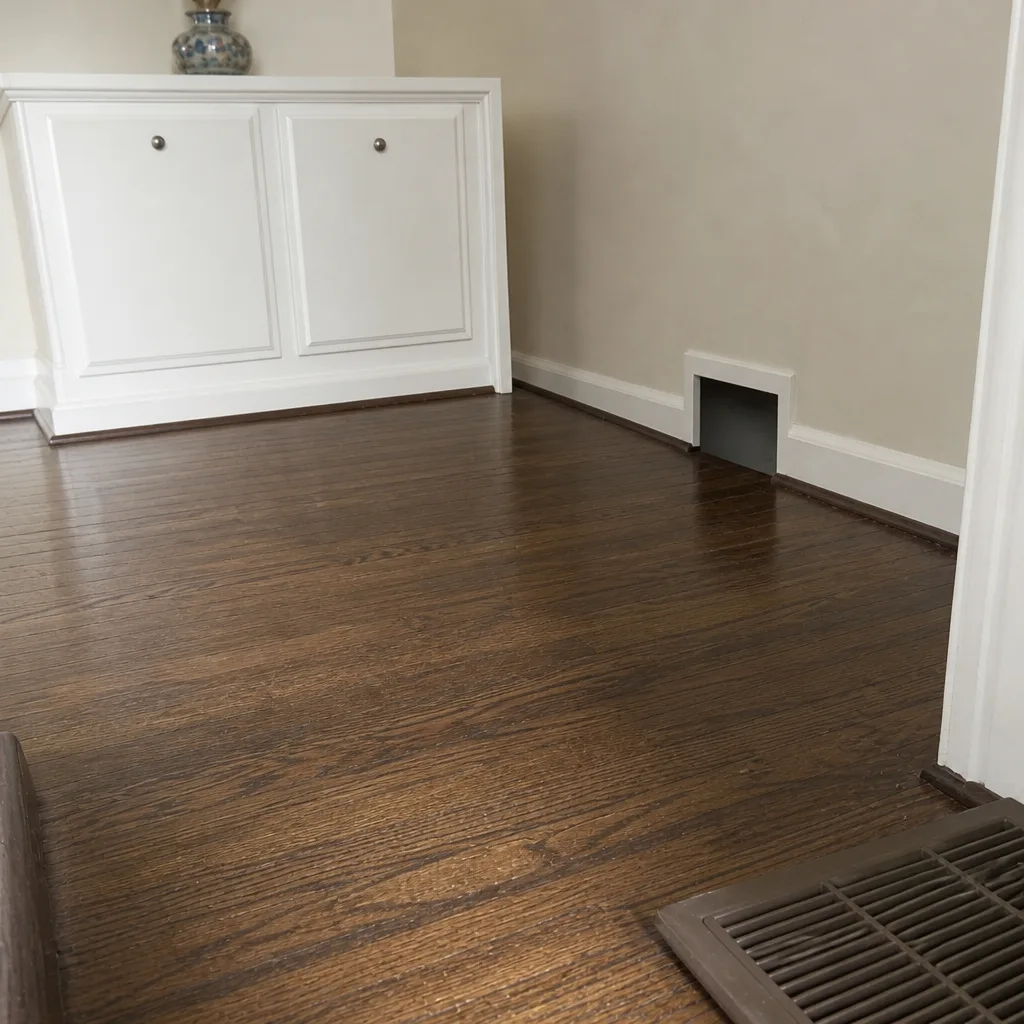 After
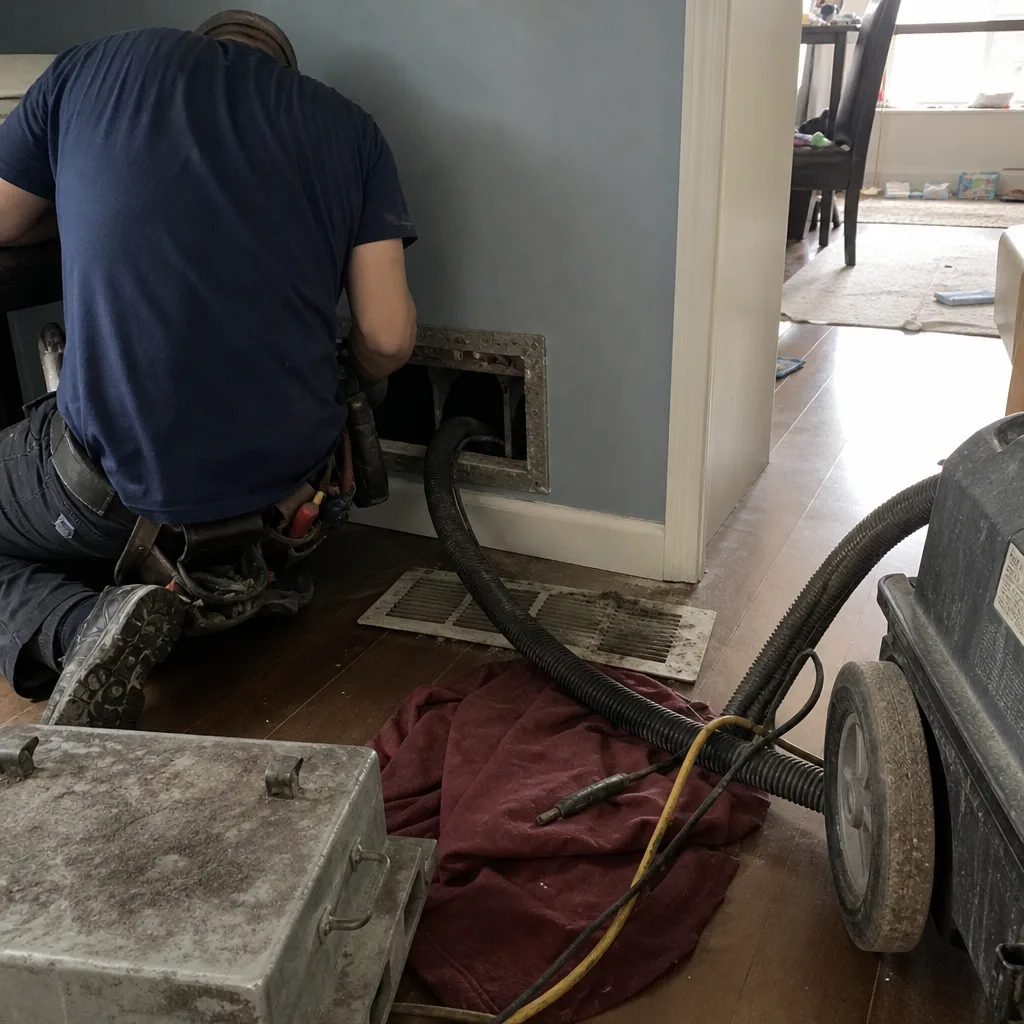 Before
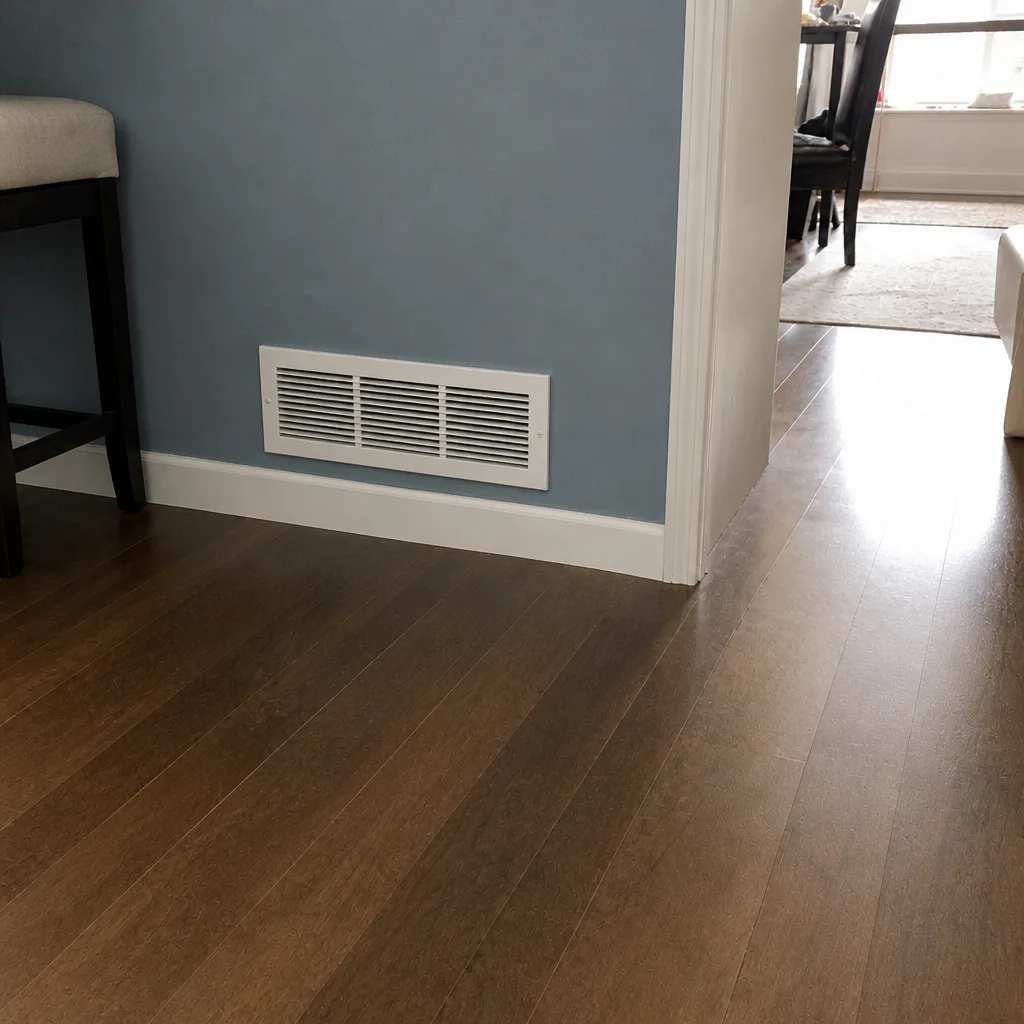 After
When to Call a Professional
Some indicators point clearly to professional air duct cleaning rather than a weekend filter swap. If you’ve just finished a major renovation and the sanding dust has settled into the return air system, that’s a professional job. If you have visible debris blowing out of registers when the system starts, or dust settling on surfaces within hours of cleaning, the ducts are likely the source. If anyone in the household has had ongoing respiratory symptoms with no other obvious cause, a full-system cleaning and inspection is a reasonable next step. If it’s been more than three to five years since the last cleaning and you can’t find a record, the system is due for a check. And if you’re moving into a Green Hills home that sat on the market, a baseline cleaning is worth the effort before you move in.
Air Duct Cleaning Green Hills offers free estimates in Green Hills – call (855) 658-4338. Our technicians have up to 12 years of experience, use professional-grade Rotobrush and Nikro systems, and follow Abatement Technologies containment protocols so dust stays out of your living space. We answer 24/7. Fast dispatch from 7am to 7pm, Sunday through Friday, closed Saturday.
Frequently Asked Questions
Most duct systems need cleaning every three to five years, but the honest answer is “it depends on your system and your household.” Homes with pets, recent renovations, or allergy-sensitive occupants often benefit from cleaning at the shorter end of that window. Homes with clean systems and well-maintained filters can go longer. A pre-job inspection is how you find out where your system actually stands instead of guessing. Call (855) 658-4338 for an exact quote – estimates are free.
Extremely low quotes are almost always teaser prices that turn into larger invoices once the technician is on-site. The low price is the beginning of the sale, not the sale itself. A legitimate quote reflects the real labor and equipment cost of the job: contact cleaning brushes, HEPA vacuum setup, containment, two technicians, and time. When the coupon price is under $100 for a whole house, the difference has to come from somewhere, and it usually comes from the homeowner in the form of discovered “problems.” Call (855) 658-4338 for an exact quote – estimates are free.
Ask for before-and-after photos of your own ducts, taken from the same angle, plus a written service report listing each register cleaned and any defects found. A credible contractor provides these without being asked; a bait-and-switch operation will have stock photos at best. Ask upfront whether photos are part of the price. If they’re an add-on, the documentation is an upsell, not a standard. Call (855) 658-4338 for an exact quote – estimates are free.
Air duct cleaning prices vary based on the number of openings, the type of ductwork, and the condition of the system. The honest way to know your Green Hills number is a written estimate after a pre-job inspection, not a phone quote. Companies that lead with a coupon figure are selling a business model, not a service. Insist on the written estimate before work starts, and expect the final invoice to match it unless you approve a written change order. Call (855) 658-4338 for an exact quote – estimates are free.
Professional-grade equipment starts with a contact-cleaning brush system (Rotobrush is the most common) that physically agitates dust off the duct walls while a HEPA-filtered vacuum captures it. Nikro HEPA vacuums are the standard for fine particulate capture. Negative-air containment using Abatement Technologies equipment keeps dust out of your living space during the job. A company that can’t describe these in detail is not a specialist; the depth of the equipment conversation tells you a lot. Call (855) 658-4338 for an exact quote – estimates are free.
Yes, if you can. The dryer vent is a genuine fire-safety concern, and it’s often skipped by duct cleaners who don’t offer it as a standalone service. HVAC cleaning covers the coil and blower, which is where a lot of contamination settles and is often missed when the ducts are the only focus. Getting all of it done in one visit means a single inspection, a single scope, and a single written quote. Call (855) 658-4338 for an exact quote – estimates are free.
The Bottom Line
Hiring a duct cleaning contractor in Green Hills is a screening job, and the screening is more specific than generic contractor advice suggests. Verify the equipment (Rotobrush contact cleaning, Nikro HEPA vacuum, Abatement containment), verify the standard (ACR phases and a legitimate pre-job inspection), and verify the paperwork (written line items and your own before-and-after photos). Reject coupon pricing and any quote without line items. Ask the seven-step questions before you book. Then hire the specialist who answers all of them with specifics. The proof of a good cleaning isn’t the price on the coupon; it’s the photos you didn’t have to ask for and a written report that matches what you paid.
When you’re ready, call (855) 658-4338 for a free estimate. We answer 24/7. Fast dispatch from 7am to 7pm, Sunday through Friday, closed Saturday. Full-scope service: cleaning, sanitizing, duct repair, and sealing, plus dryer vent cleaning on its own if that’s what you need.
Written by the team at Air Duct Cleaning Green Hills.