
Last updated November 24, 2026
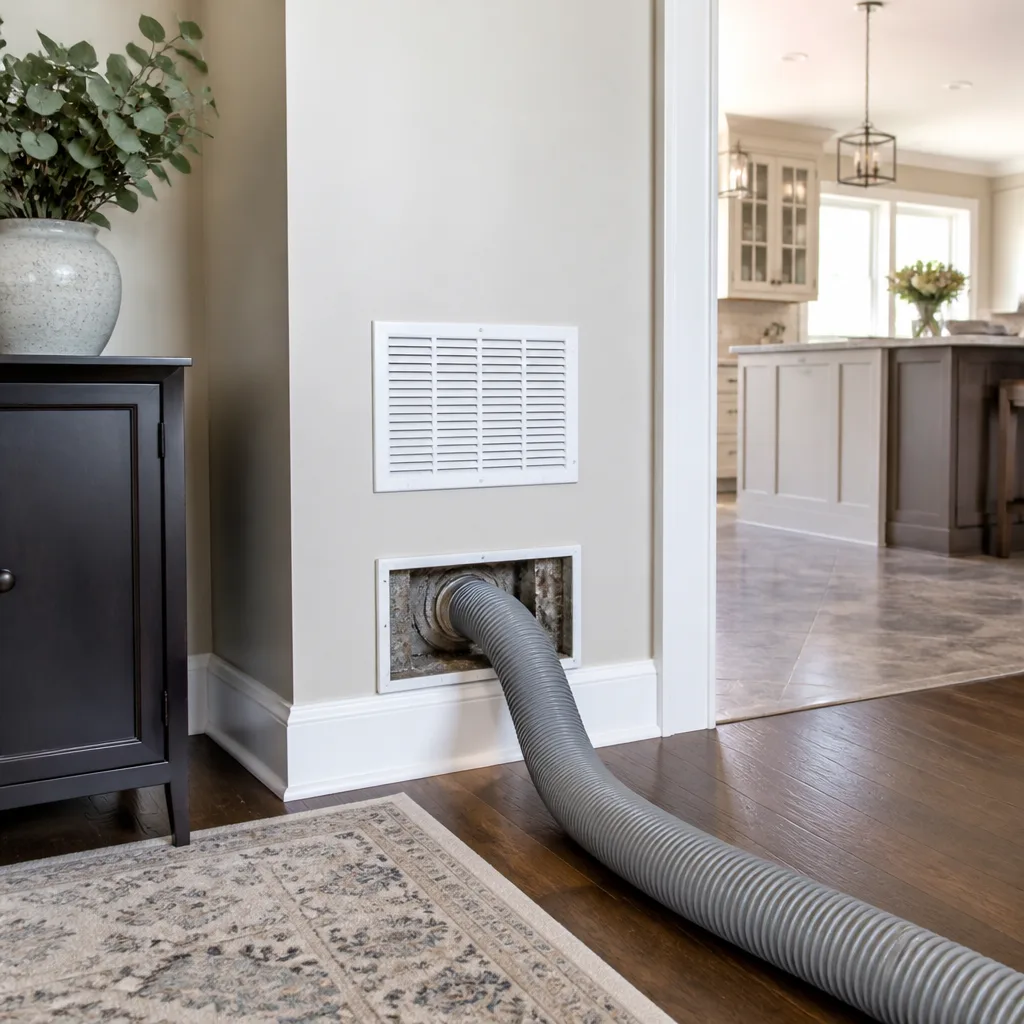 Whole-home duct cleaning
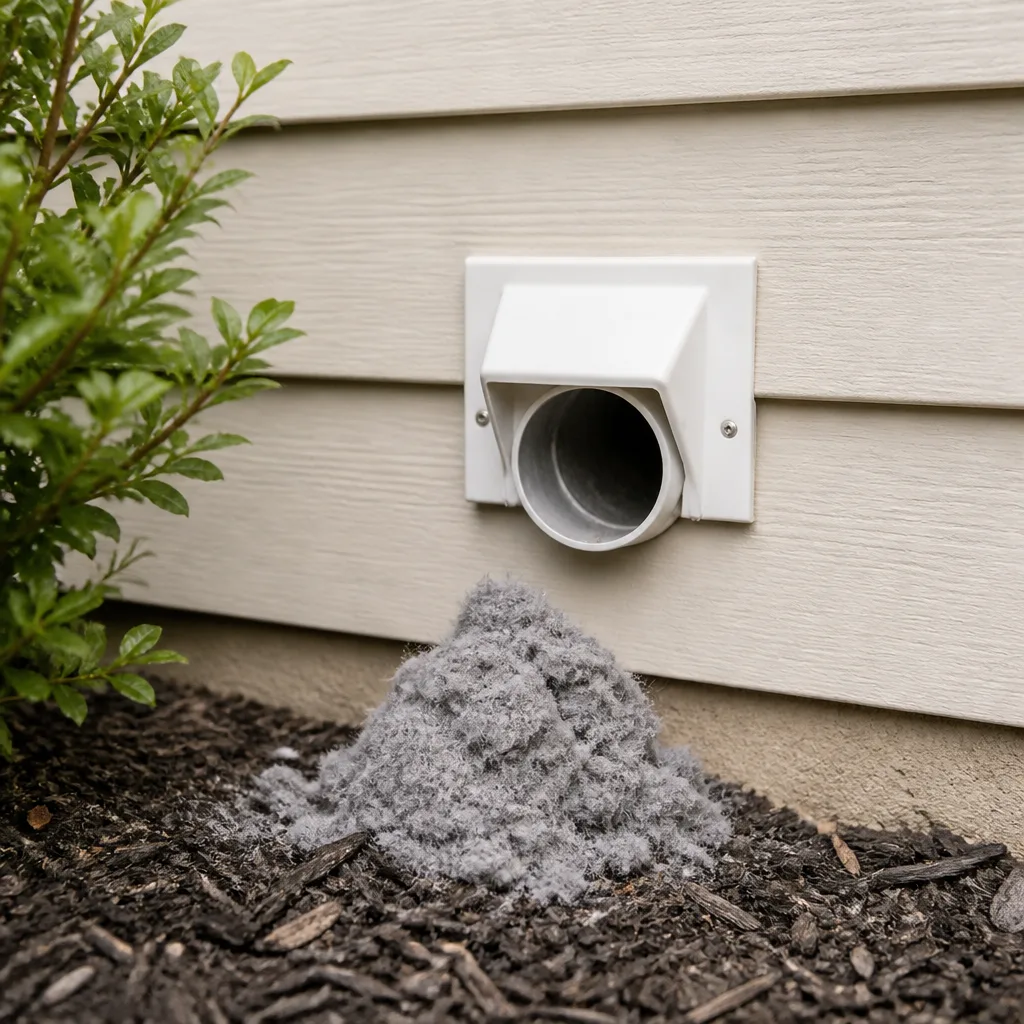 Dryer vent cleaning
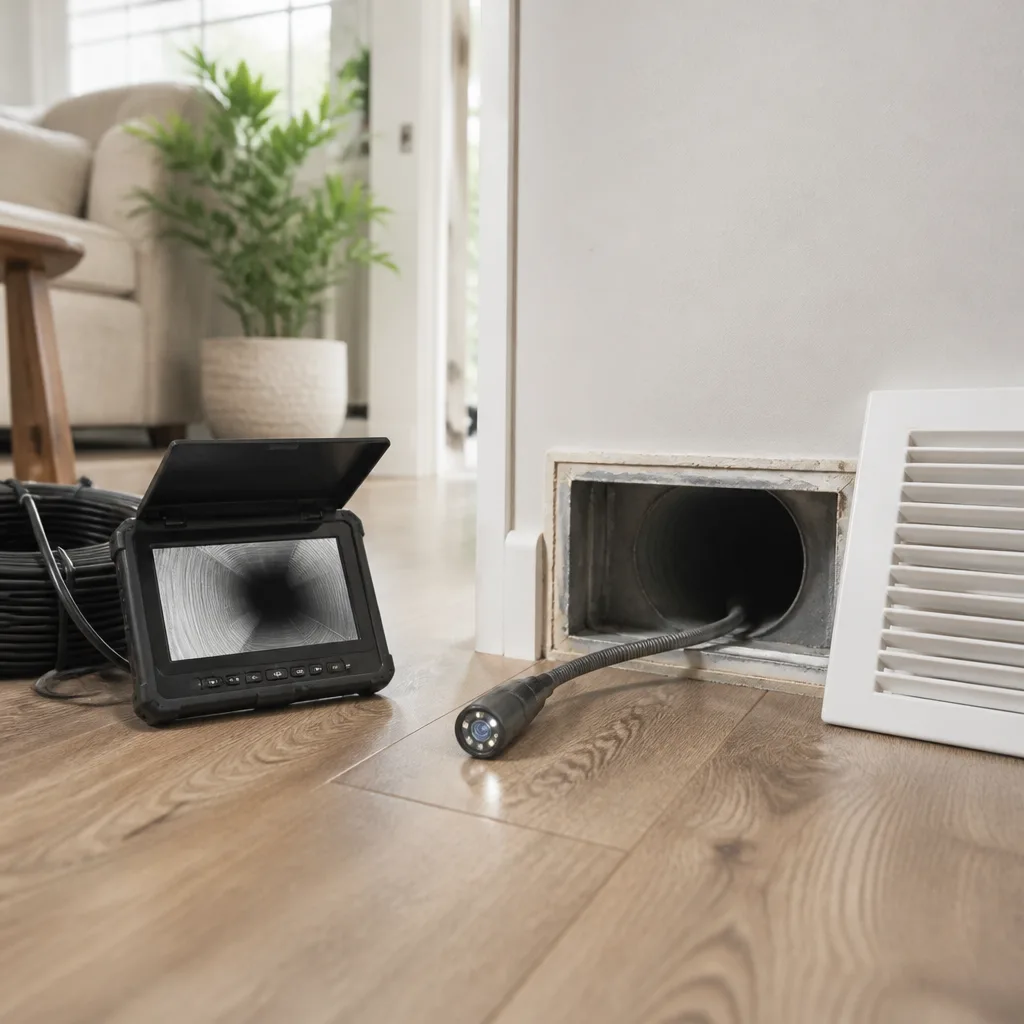 Camera inspection
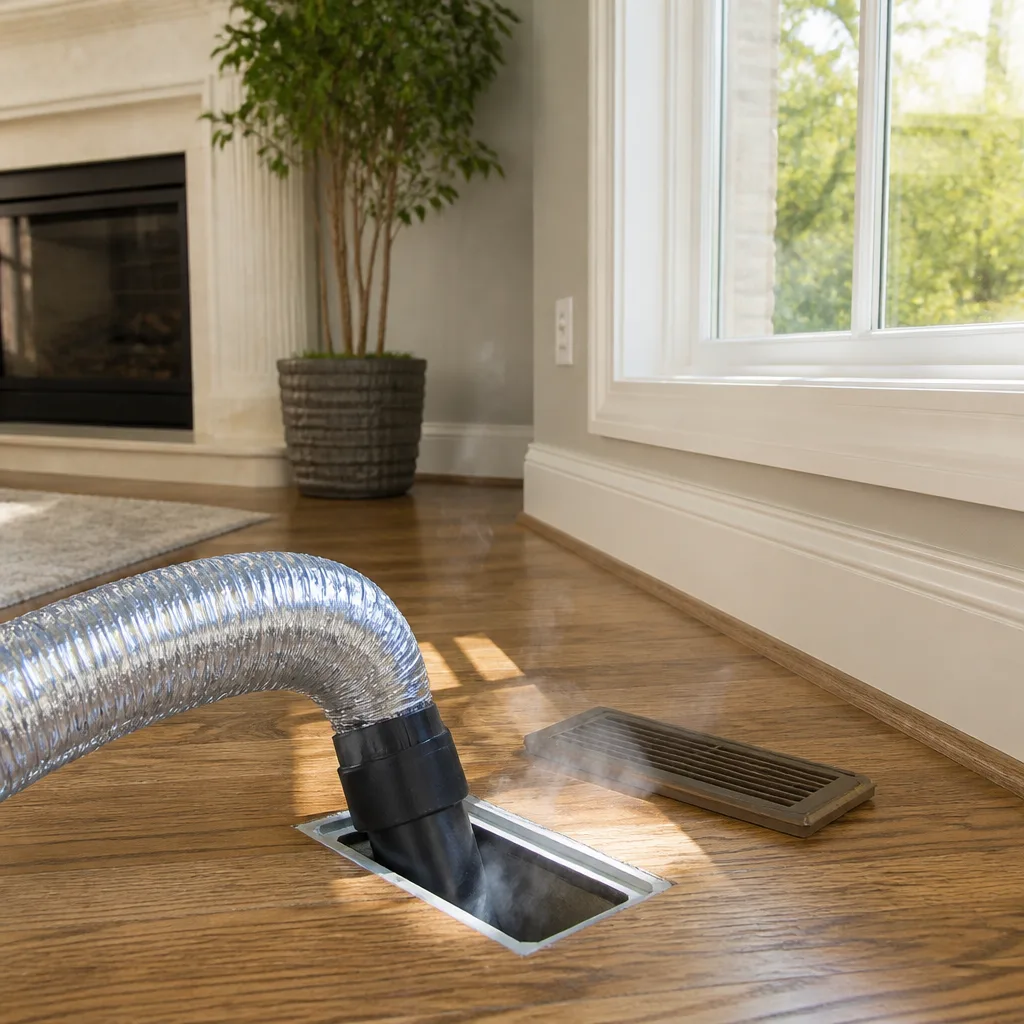 Sanitizing & deodorizing
Whole-system duct and dryer vent check with before-and-after photos - you see exactly what came out of your vents
That "$99 whole-house special" is a bait ad - the real number appears once they are in your hallway, or the "clean" is a shop-vac at the register. We photograph the inside of your ducts before and after instead.
Choosing the Right Air Duct Cleaning Brand: A Buyer’s Guide for Green Hills
Most people hiring duct cleaners start with ratings. They scroll through star counts, read a handful of reviews, pick the highest number, and book. That sequence has the order backwards. No review platform tells you what equipment will be parked outside your house on the morning of the job, and the equipment question is the most consequential thing you can ask before you book. In our experience, the difference between a careful duct cleaning and a wasted afternoon comes down to three things: what machine the company owns, how they contain what they loosen, and whether duct work is their main trade or a sideline. This guide walks Green Hills homeowners and property managers through evaluating the operation behind the brand name, not the name itself.
Quick Answer
The right air duct cleaning brand for a Green Hills home is the one whose equipment you can verify, whose containment process keeps dust out of your living space, and whose technicians work on duct systems as their primary trade rather than as an add-on to HVAC repair. Ask what source vacuum they run, whether it is truck-mounted or portable, what filtration it uses, and how they contain debris during cleaning. A company that answers those questions specifically, without hesitation, is worth more than any star rating.
Styles & brands we work with
- Whole-home duct cleaning
- Dryer vent cleaning
- Camera inspection
- Sanitizing & deodorizing
Table of Contents
- Why Equipment Comes Before Reviews
- The Three Service Models You’ll Encounter
- What NADCA Membership and ACR Certification Actually Verify
- How to Read Reviews for Duct Cleaning Specifically
- The Questions to Ask Before You Book
- Green Hills Homes and the Duct Problems They Actually Have
- Local Specialist vs. Generalist HVAC Company
- The Dryer Vent Question Most Buyers Forget
Why Equipment Comes Before Reviews
Air duct cleaning is a mechanical extraction job. That sounds obvious, but it changes how you should shop. The whole purpose of the service is to agitate debris bonded to duct walls and pull it out of the system under negative pressure. If the machine can’t generate enough airflow and filtration to hold what it loosens, nothing else about the company matters much: not the van wrap, not the website, not the review count.
Two broad equipment categories do this work in Green Hills homes:
- Truck-mounted systems. A large vacuum unit rides in the vehicle and connects to the duct system through a hose run into the home. These units typically move far more air than portable machines, which matters on longer duct runs and larger homes.
- Portable systems. Self-contained units carried inside. Quality varies enormously here. A professional-grade portable with true HEPA filtration is a legitimate tool for the right job. A shop vac with a hose adapter is not.
The other half of the equation is contact cleaning. A vacuum alone pulls loose dust. It doesn’t break the film of debris stuck to duct walls, which is why professional work pairs the vacuum with a rotating brush or air whip driven through the duct. Rotobrush systems are the best-known example of this contact-cleaning approach, and they’re built to agitate and extract at the same time, so loosened material goes straight into the airstream instead of settling back down.
Filtration is the third piece. A vacuum that exhausts fine particulate back into the room has just moved the problem. Look for HEPA filtration on the extraction side. Nikro equipment, for instance, is HEPA-filtered and built for contaminant work, which is the standard you want inside a house where people are living during the job.
The Three Service Models You’ll Encounter
When you search for air duct cleaning in Green Hills, the results mix three genuinely different kinds of business. They look similar on a website. They behave very differently in your hallway.
- The indoor air quality specialist. Duct cleaning, sanitizing, sealing, and repair are the core trade. The company owns professional-grade equipment because that equipment is the business. Expect detailed answers about containment, filtration, and duct condition.
- The HVAC company with a cleaning add-on. Repair and installation are the main revenue. Cleaning is offered because customers ask. Equipment is often lighter-duty or rented, and the crew’s training is oriented toward equipment swap-outs rather than duct interiors.
- The franchise operation. A recognizable name over a locally owned territory. Quality tracks the individual operator, not the brand, so the name tells you almost nothing. You still have to ask the equipment questions.
None of these is automatically bad. But the service model shapes what you get. A specialist who cleans, sanitizes, repairs, and seals a full duct system in one visit solves the problem in one appointment. A generalist who finds a disconnected joint or a crushed flex run mid-clean often has to hand you off to someone else, and the duct stays as it was.
This is the practical argument for one call covering the whole system. Duct cleaning in Green Hills homes regularly turns up failing seams and loose joints, particularly in older crawlspace and attic runs. A company set up to clean but not to repair leaves that finding unresolved.
What NADCA Membership and ACR Certification Actually Verify
Certifications are useful, but they verify less than most buyers assume. Knowing the boundaries lets you weigh them correctly.
NADCA, the National Air Duct Cleaners Association, publishes the industry standard for how duct cleaning should be performed, including the assessment, cleaning, and post-cleaning verification steps. Membership signals a company has aligned with that standard and has access to its technical guidance. It does not audit every job or inspect equipment.
The ACR credential, Air Systems Cleaning Specialist, is an individual certification. It confirms a technician has passed an exam on duct cleaning practice and system evaluation. It’s a real signal of technical grounding. What it doesn’t tell you is how many certified people are on the crew that shows up, or what machine they bring.
So use certifications as a floor, not a ceiling. A certified, association-member company with a rented portable unit is still less capable than an uncertified company running proper truck-mounted equipment with HEPA filtration and negative-air containment. The credential checks knowledge. The equipment and process check capability. You want both, but if you can only verify one before booking, verify the equipment.
For a fuller treatment of what professional cleaning should include, our air duct cleaning service overview walks through the full process step by step.
How to Read Reviews for Duct Cleaning Specifically
Reviews are useful if you read them for the right signals. For duct cleaning, ignore the star average and look for specifics. Vague praise (“great job, very professional”) tells you the crew was polite. It tells you nothing about whether the ducts got clean.
Signals of real technical work in a review:
- Mentions of before-and-after photos, or photos included with the review itself.
- Descriptions of containment: plastic sheeting, floor protection, negative-air machines set up before work starts.
- References to a specific problem the crew found and fixed, like a disconnected joint or a crushed run.
- Comments on filtration or air quality improving afterward, not just “the house smelled better.”
- Details about time on site. Real duct cleaning takes hours on a typical home. A 45-minute visit is an extraction pass, not a cleaning.
Red flags worth weighing heavily:
- Reviews mentioning a low advertised price that grew once the technician was inside.
- Complaints about dust settling on furniture after the crew left, which points to weak containment or poor filtration.
- A pattern of reviews from the same short window, or generic text that reads like it was written by someone who wasn’t there.
- No mention of equipment at all, across many reviews.
Read the middling reviews first. Three-star reviews tend to be the most specific, and in this trade they often describe exactly the process gap you’re trying to avoid.
The Questions to Ask Before You Book
This is the core of the whole guide. Ask these before you commit, and listen for specificity. A company that does this work well answers without hedging.
- What source vacuum do you use, and is it truck-mounted or portable? If portable, ask what filtration it has. HEPA is the answer you want.
- Do you use contact cleaning, or vacuum only? You want a rotating brush or air whip paired with extraction, not a vacuum pass.
- How do you contain debris during the job? Ask about negative-air containment and floor protection. Abatement Technologies negative-air equipment is one professional standard for keeping dislodged contaminants out of living space.
- Do you clean the full system, including the blower and coil area? Duct cleaning that stops at the registers leaves the source untouched.
- What happens if you find a disconnected or damaged duct? You want a company that can seal or repair it on the same visit. Otherwise, ask about their HVAC cleaning process too, since the air handler and coil sit at the center of the system.
- Will you show me before-and-after photos of my own ducts? Not stock photos. Yours.
- Is the price per system or per vent? Per-vent pricing is where surprise charges live. Ask for a flat price for the whole system, agreed before work starts.
Our technicians have up to 12 years of experience, and the answers to these questions are the ones we give most often. A company that can’t answer them is telling you something useful.
Green Hills Homes and the Duct Problems They Actually Have
Green Hills sits in a part of Middle Tennessee with hot, humid summers and a stretch of cool, damp winter. That pattern puts real demands on a duct system, and it shapes what a cleaning actually turns up in this neighborhood.
Humidity is the big one. High summer humidity means condensation can form on cool duct surfaces, especially in unconditioned attic and crawlspace runs. Where that moisture persists, dust and debris in the duct can turn into something that clings rather than sits loose. Vacuum-only cleaning struggles with that film. Contact cleaning with a rotating brush is what breaks it free.
The housing stock matters too. Green Hills has a wide mix, from mid-century homes with original galvanized ductwork to newer builds and additions with flex runs in the attic. That variety produces recurring findings: failing duct tape at seams, loose joints where sections were pieced together, and crushed flex duct from a renovation or a later HVAC replacement. A cleaning that doesn’t check for those problems leaves the real issue in place.
Sealing is the follow-on. A technician who finds leaky seams and seals them is doing work that pays off beyond air quality, because duct leakage in a conditioned house pushes the system to run longer. That’s a full-system conversation, and it’s the reason we handle cleaning, sanitizing, sealing, and repair together rather than splitting them across contractors.
Whole-home air quality equipment is part of that picture in Green Hills. Many homes here run filtration or humidification add-ons from brands like Honeywell or Aprilaire. A duct specialist familiar with those systems can clean without disturbing them and can advise on whether the setup is still doing its job. For homes with known contamination issues, our dryer vent cleaning service is often booked alongside the duct work, since the vent run is its own system with its own risk.
Local Specialist vs. Generalist HVAC Company
For duct cleaning specifically, a focused local specialist usually outperforms a generalist HVAC company. That’s not a knock on HVAC contractors. It’s a matter of where the equipment and training sit.
A generalist’s capital goes into service vans, recovery machines, refrigerant tools, and parts inventory. Duct cleaning gear is a secondary purchase, frequently rented, and the crew that runs it does so occasionally. An air quality specialist puts the money into the duct equipment itself: the contact-cleaning system, the HEPA vacuum, the containment gear. That equipment gets used every working day, which means the crew knows its behavior on different duct types and sizes.
There’s a training difference too. Duct cleaning requires reading a system: understanding how the trunk and branch layout works, where the air handler sits, what static pressure is doing, and where debris has collected. That’s a separate skill from diagnosing a failed compressor, and it develops with repetition.
For Green Hills property managers, the specialist model also simplifies scheduling. One company that cleans, sanitizes, repairs, and seals means one point of contact and one invoice, instead of coordinating a cleaner and a repair contractor whose visits rarely line up.
What about brands like Guardsman appearing in a company’s lineup? Familiarity with component brands signals a technician who has handled the parts of a duct system, not just the duct itself. It’s a supporting detail, not a substitute for the equipment questions.
The Dryer Vent Question Most Buyers Forget
Duct cleaning and dryer vent cleaning are two separate systems, and many companies skip the second one or treat it as an afterthought. That’s a gap worth noting. A dryer vent run collects lint at a steady rate, and the lint accumulates where the run bends or exits the house. A clogged vent makes a dryer work harder and run longer, and lint buildup is a fire hazard that builds quietly over time.
Dedicated dryer vent cleaning uses different tools than duct cleaning, because the goal is clearing the full length of the run, including the transition behind the dryer and the outside termination. Ask whether the company does this as its own service, and whether they check the outside flap and the transition duct. If dryer vent cleaning is only offered as a bundled extra, the run probably isn’t getting a full pass.
In Green Hills, where many homes have longer vent runs to reach an exterior wall, this is a job worth booking separately and checking on a regular schedule. It’s also a good question to ask the company you’re considering for ducts. If they don’t offer it, ask who they recommend.
Common Mistakes to Avoid
- Choosing on price before equipment. A low quote that turns into an upsell once the technician is in the house usually traces back to a company with no stake in a fixed price. Ask for a flat price per system, agreed in writing, before you book.
- Assuming the review count means capability. A high star average says the crew was courteous. It doesn’t say what machine they used. Read for specifics about process and equipment, not the number.
- Booking per-vent pricing without a system total. Per-vent pricing gives you a number that grows as the job goes. Ask what the whole system costs.
- Skipping the containment question. If nobody mentions floor protection or negative air, dust will land on your furniture. Ask how they keep dislodged contaminants out of living space.
- Ignoring found damage. A cracking seam or disconnected joint isn’t something to note and move past. Get it sealed on the same visit, or the cleaning will need repeating.
- Forgetting the dryer vent. A separate system, a separate hazard, and easy to overlook if the company doesn’t offer it as its own service.
- Not asking for your own before-and-after photos. Stock images prove nothing. Photos of your ducts before and after tell you the work happened.
See the difference
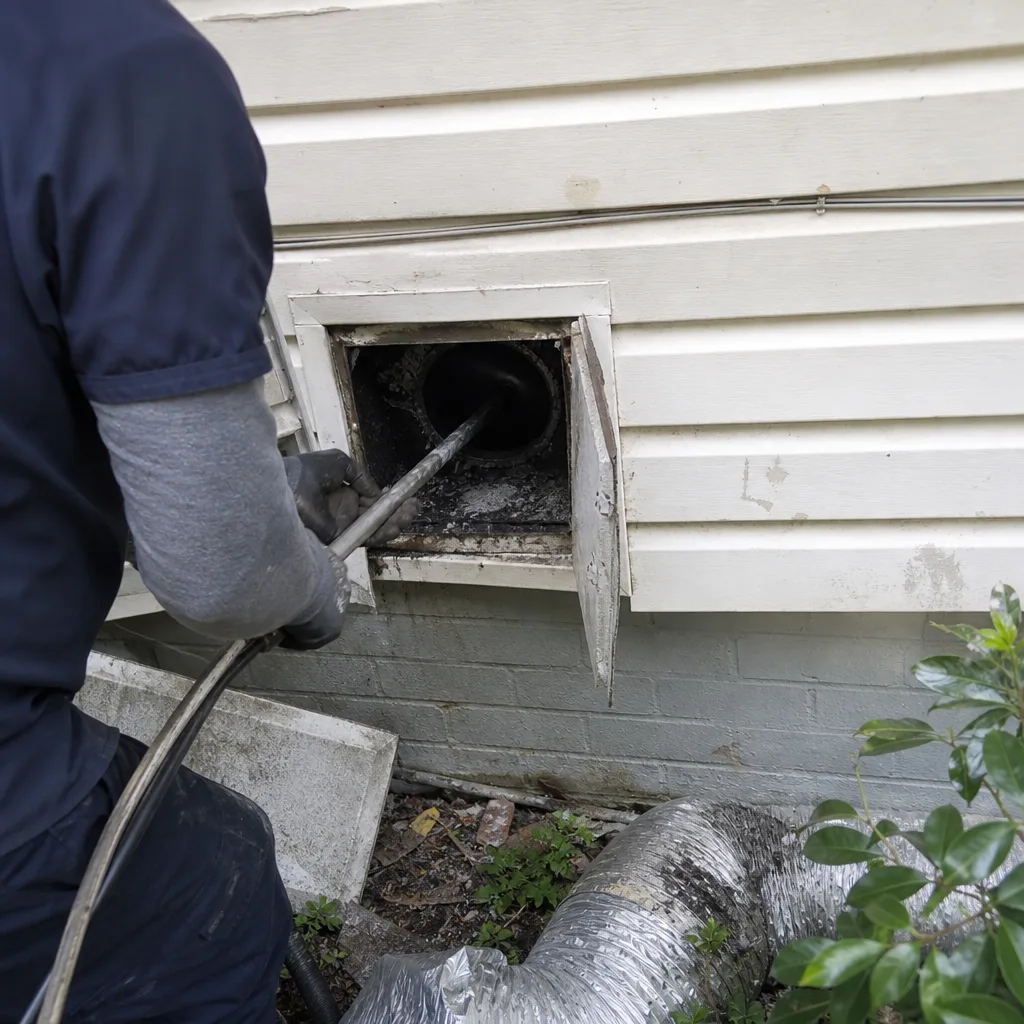 Before
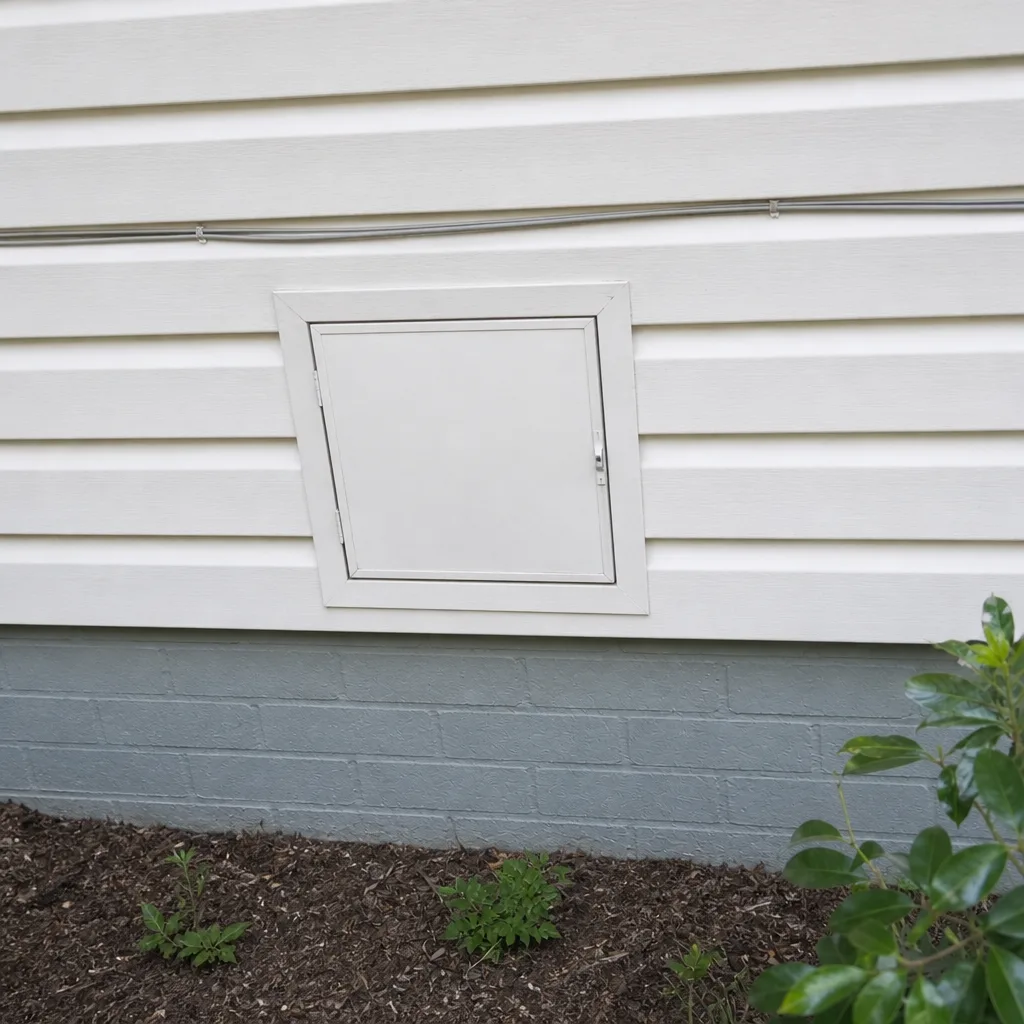 After
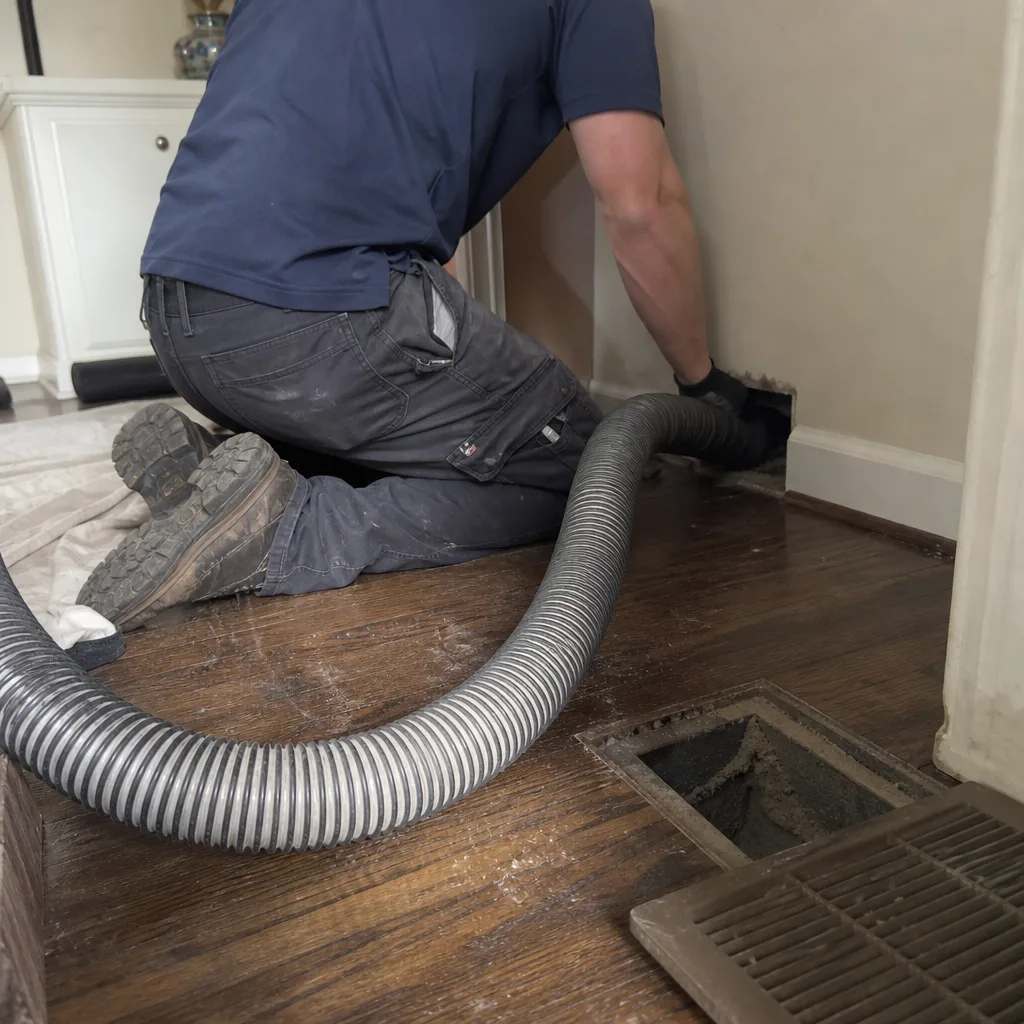 Before
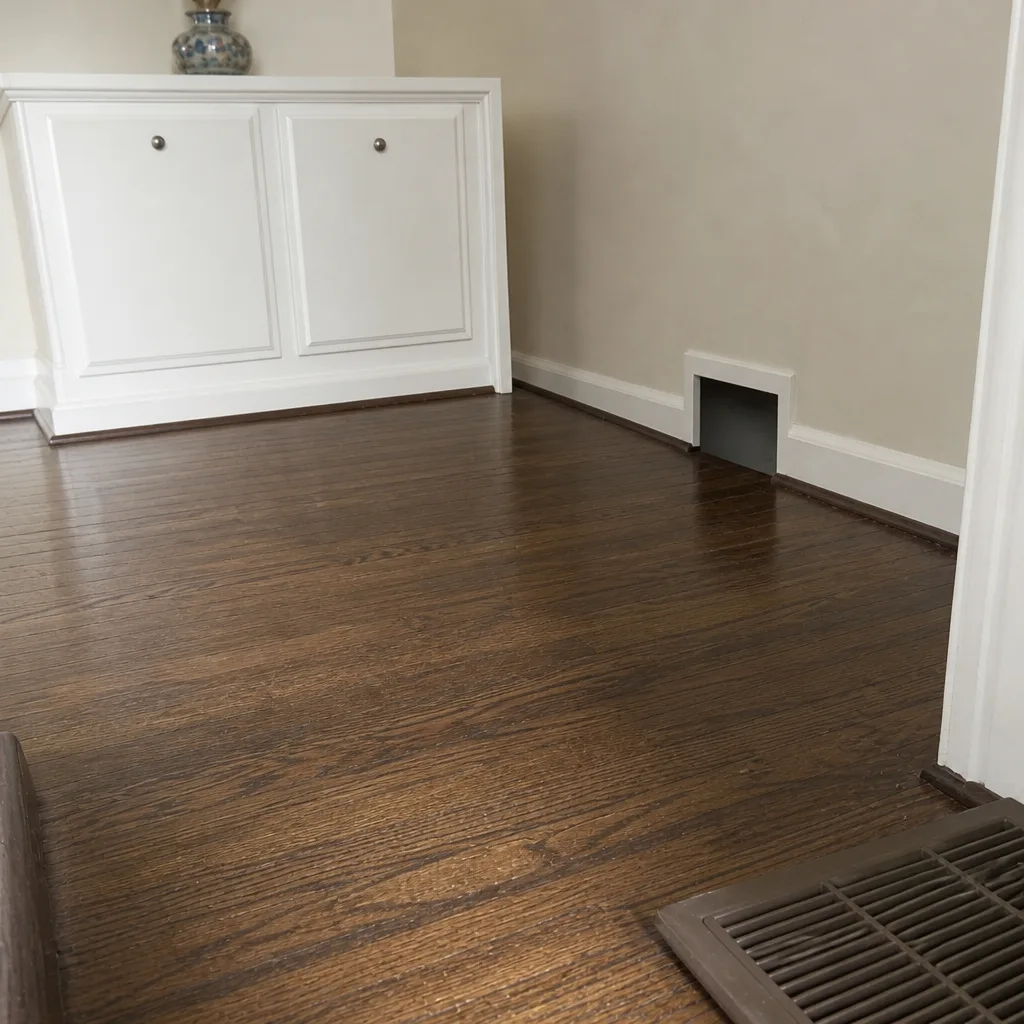 After
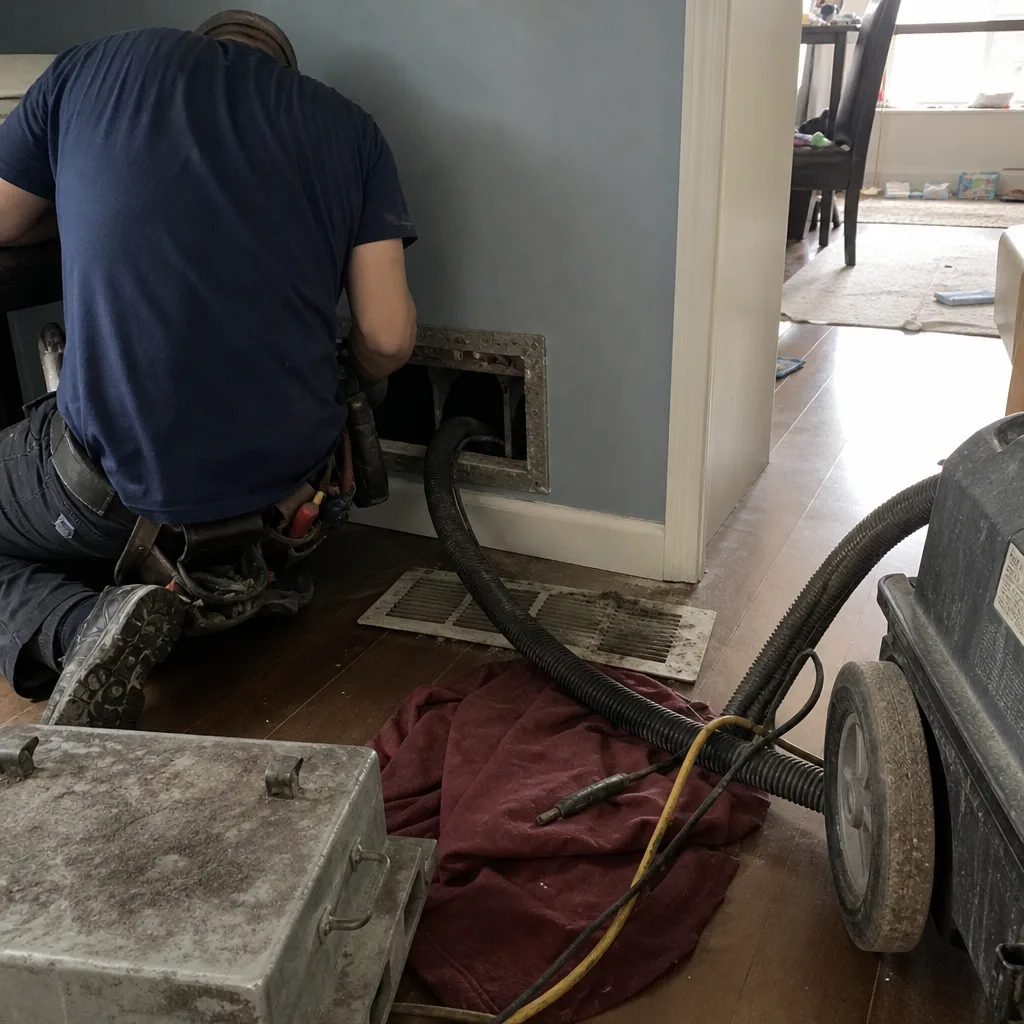 Before
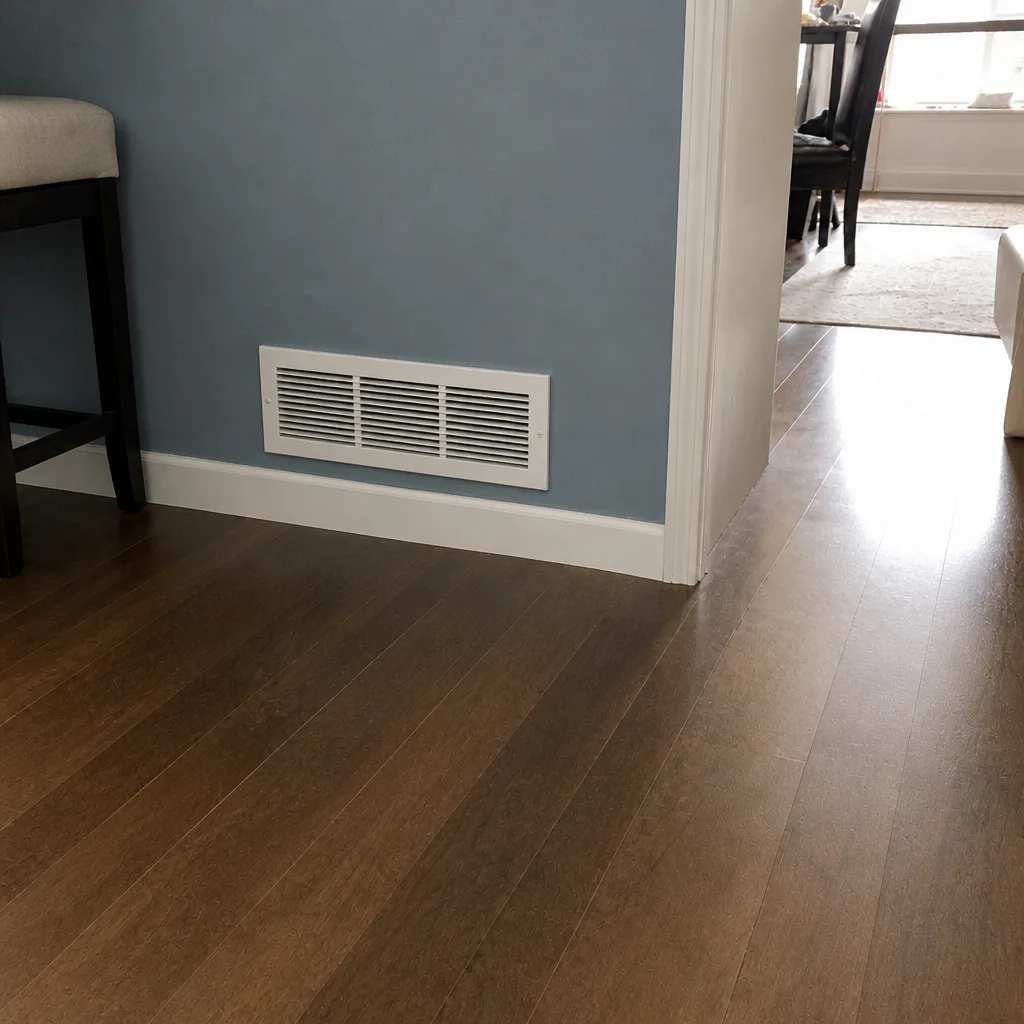 After
When to Call a Professional
Some situations clearly warrant a professional visit rather than a wait-and-see. If you’ve just finished a renovation or a major remodel, drywall dust and construction debris have likely migrated into the ducts. If you’ve moved into a Green Hills home and don’t know when the system was last cleaned, an assessment is a reasonable first step. Visible dust puffing from a register, a persistent musty smell when the system kicks on, or allergy symptoms that worsen indoors all point to the same conclusion. So does a duct system with known leaks, or an air handler that hasn’t been cleaned in years. If you’re a property manager with a turnover between tenants, booking before the next move-in protects your schedule. Air Duct Cleaning Green Hills offers free estimates in Green Hills – call (855) 658-4338.
Frequently Asked Questions
Air duct cleaning in Green Hills typically falls into a range based on the size and layout of the system, and the honest answer is that a flat price per system, agreed in writing before work starts, is what you should insist on. Per-vent pricing and teaser coupons tend to grow once the technician is on site. Ask for the whole-system price up front and ask what it includes. Call (855) 658-4338 for an exact quote – estimates are free.
Low quotes usually reflect lighter equipment, shorter time on site, or an intention to upsell once the crew arrives. A company running a truck-mounted HEPA system with proper containment spends real money on gear and time, and its quotes reflect that. A quote that can’t cover the cost of that equipment is not doing that work. Ask what machine they bring and how many hours they’ll be on site. Call (855) 658-4338 for an exact quote – estimates are free.
Ask for before-and-after photos of your own ducts, taken at a register or through an access point, and ask the technician to walk you through what they found. A company confident in its process will show you. Our technicians photograph the system before and after as a matter of course. Call (855) 658-4338 for an exact quote – estimates are free.
For most Green Hills homes, a cleaning every few years is reasonable, though the real answer depends on your system and your circumstances. Homes with pets, recent renovations, or a known contamination issue usually need it more often. Homes with well-sealed ducts and regular HVAC maintenance can stretch the interval. Ask about your specific setup rather than a blanket schedule. Call (855) 658-4338 for an exact quote – estimates are free.
For homes where ducts hold a real load of debris, cleaning the system reduces what gets circulated when the HVAC runs, and many people notice a difference in indoor air quality afterward. It’s not a fix for allergies on its own, but removing the reservoir of dust and debris from the ducts is a reasonable step. If moisture or mold is found, sanitizing the system is part of the work. Call (855) 658-4338 for an exact quote – estimates are free.
A duct cleaning specialist is generally the better choice for duct work, because the equipment and the training are dedicated to the duct system rather than shared with repair work. An HVAC company can be a fine choice for a repair or a replacement. When the job is the ducts, verify the equipment and the containment process. Call (855) 658-4338 for an exact quote – estimates are free.
The Bottom Line
The brand on the van matters far less than the equipment on the truck and the process the crew follows inside your house. Evaluate on three things: what source vacuum they run and whether it’s HEPA-filtered, how they contain debris during the job, and whether they can repair what they find. Certifications are a useful floor, reviews are useful context, and neither tells you what you actually need to know. Ask the equipment questions first. For a Green Hills home or property, Air Duct Cleaning Green Hills covers cleaning, sanitizing, repair, and sealing in one visit, with professional-grade Rotobrush and Nikro systems and Abatement Technologies containment. Call (855) 658-4338 for a free estimate. We answer 24/7. Fast dispatch from 7am to 7pm, Sunday through Friday.
Written by the team at Air Duct Cleaning Green Hills.