
Last updated November 24, 2026
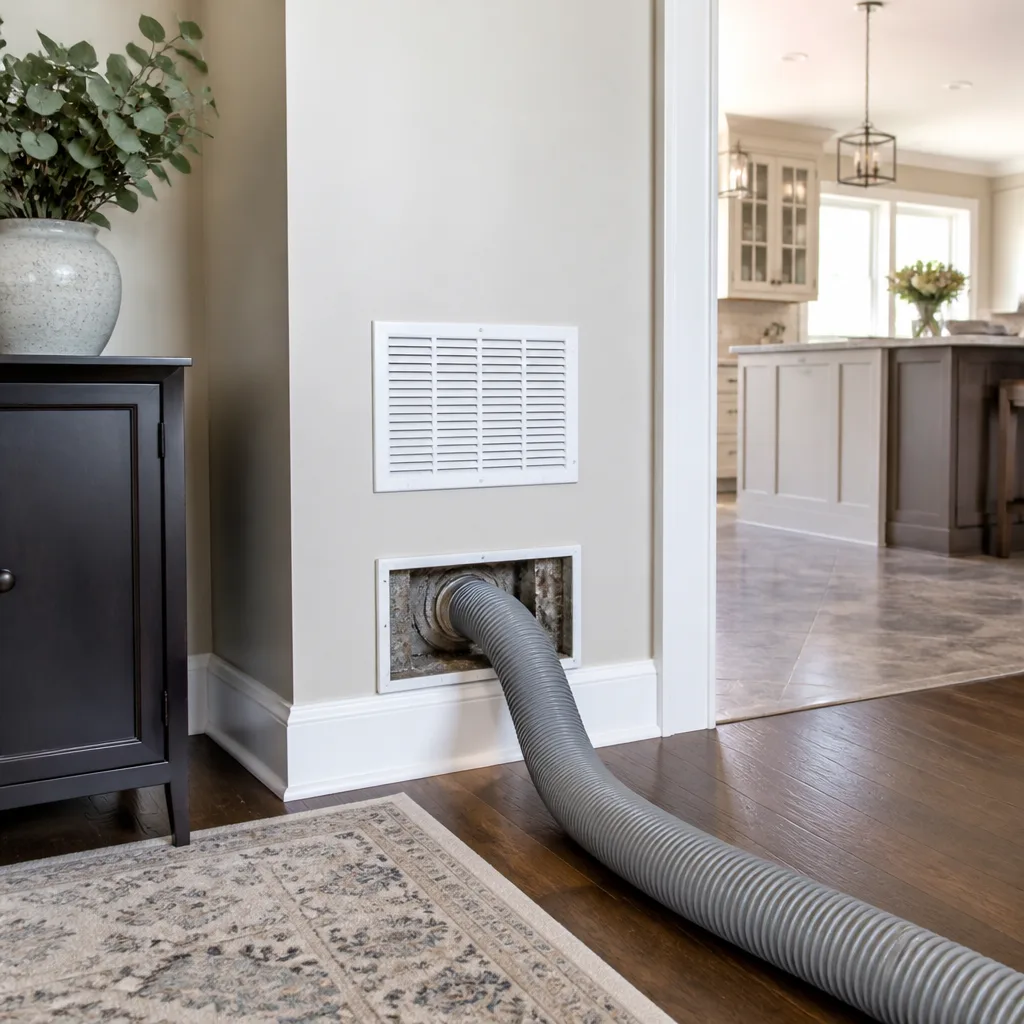 Whole-home duct cleaning
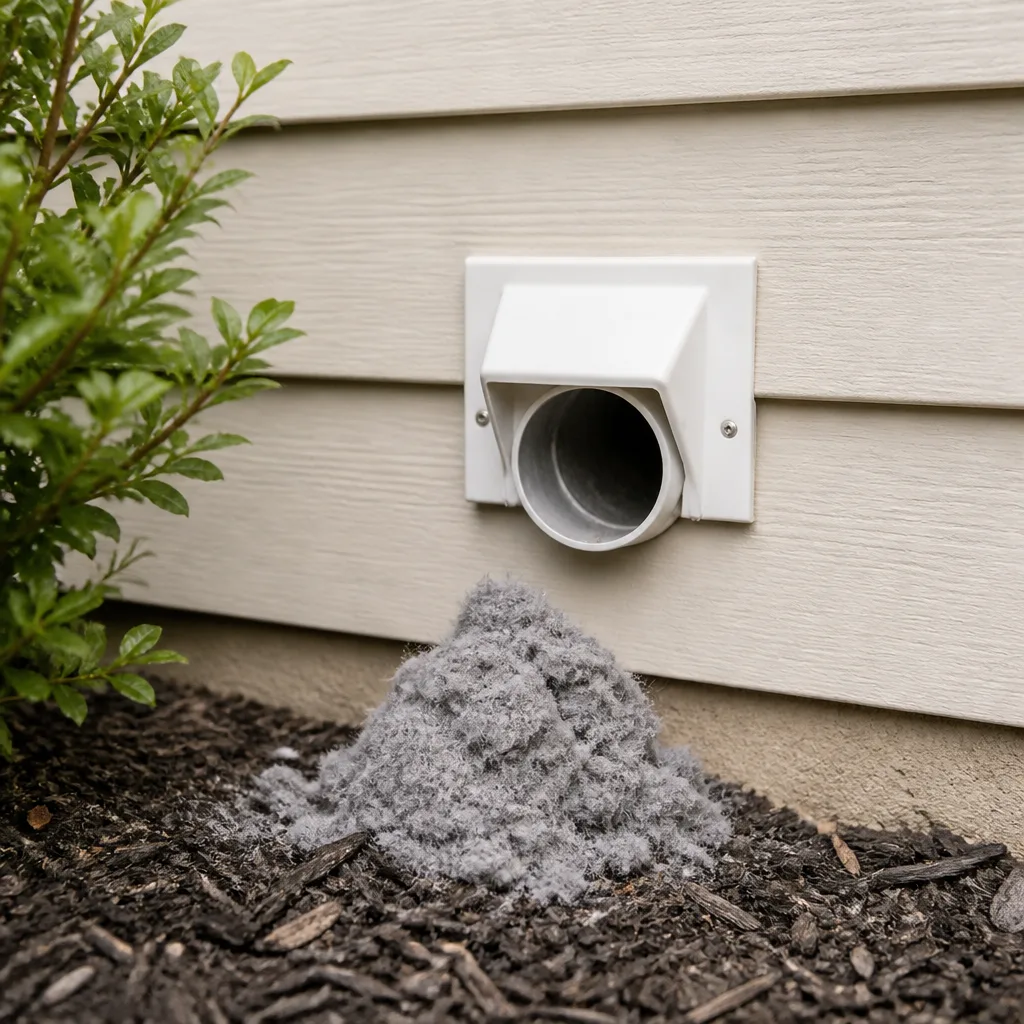 Dryer vent cleaning
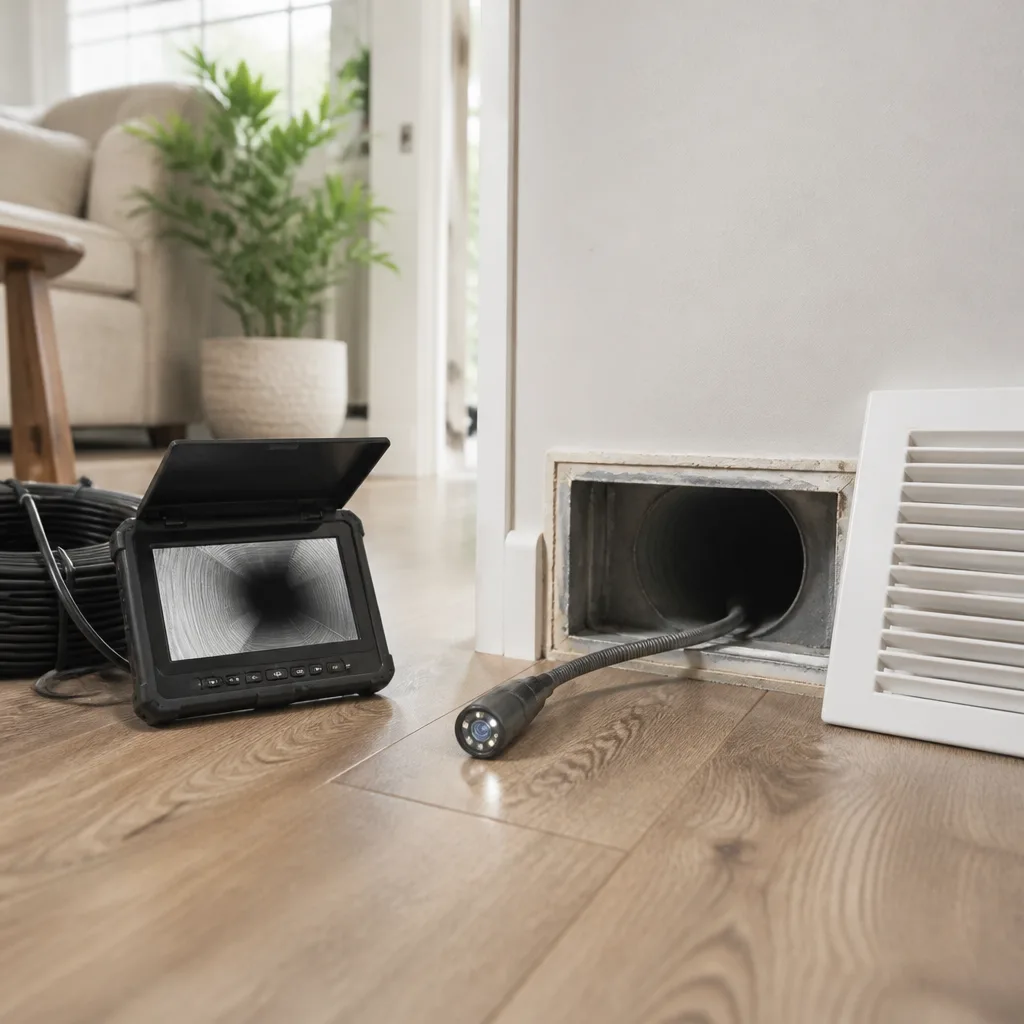 Camera inspection
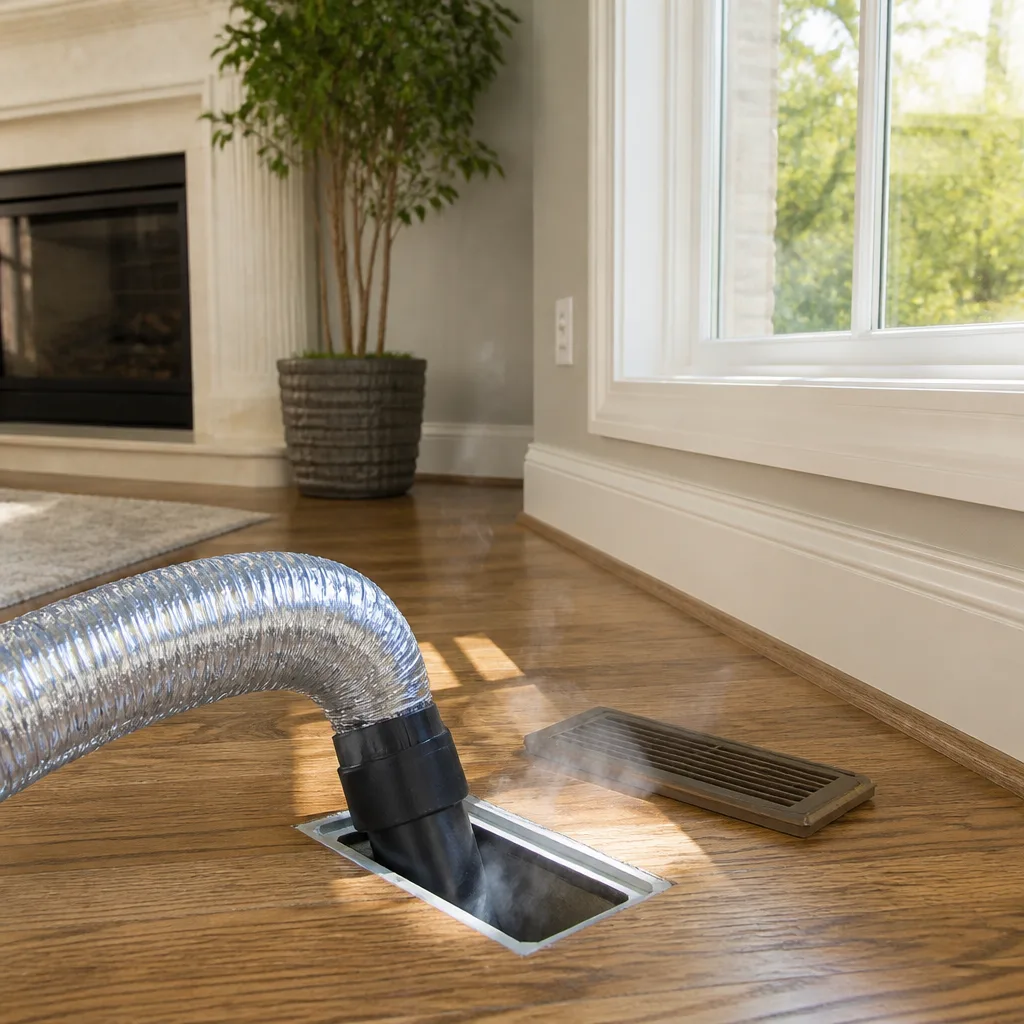 Sanitizing & deodorizing
Whole-system duct and dryer vent check with before-and-after photos - you see exactly what came out of your vents
That "$99 whole-house special" is a bait ad - the real number appears once they are in your hallway, or the "clean" is a shop-vac at the register. We photograph the inside of your ducts before and after instead.
Air Duct Cleaning Warning Signs: A Green Hills Homeowner’s Reference Guide
A musty smell that only appears when the HVAC first kicks on in the morning isn’t a quirk of your house. It’s the smell of microbial growth sitting on duct surfaces being disturbed by airflow, and it has a direct fix. Most homeowners in Green Hills explain away the signals their ductwork sends them – the smell, the dust, the cold bedroom – as allergies, an old house, or just how the place smells. They’re usually wrong. Those signals are diagnostic. This guide decodes what your home is actually telling you, from odor patterns to airflow gaps to dust that returns too fast, and shows you what each sign points to inside the duct system.
Quick Answer
The main warning signs that air ducts need professional attention are a musty or dusty smell that appears when the HVAC starts, visible dust returning within days of cleaning, rooms that stay noticeably warmer or cooler than the rest of the house, allergy symptoms that flare only when the system runs, and loose or dust-streaked register grilles. Any one of these points to a specific duct condition – microbial growth, partial blockage, disconnected runs, or leaking seams – that a full-system inspection can confirm.
Styles & brands we work with
- Whole-home duct cleaning
- Dryer vent cleaning
- Camera inspection
- Sanitizing & deodorizing
Table of Contents
- What Your Home’s Smell Is Telling You
- Dust That Comes Back Too Fast
- Uneven Rooms and Weak Airflow
- Reading Your Allergy Symptom Map
- Visual Checks You Can Do Yourself
- Why Green Hills Homes See This Differently
- The Sealing and Repair Side of the Story
- Common Mistakes to Avoid
- When to Call a Professional
What Your Home’s Smell Is Telling You
Odor is the most misread diagnostic in the house. Homeowners tend to lump every smell into “the house smells off,” but musty, dusty, and burning odors each point to a different condition inside the duct system. Learning to separate them narrows the problem fast.
- Musty odor that appears when the system starts: this is the classic signature of microbial growth on duct surfaces. The smell is strongest in the first minutes of airflow because the blower disturbs settled spores. It often fades as the system runs, which is exactly why people dismiss it.
- Persistent dusty smell, present whether the system is on or off: usually a sign of accumulated particulate in the return side and filter housing rather than growth. The dust is sitting there, and airflow just stirs it.
- Burning or hot-wire smell: this is not a duct cleaning issue. Stop the system and have the electrical side checked before running it again. A smell of hot plastic or scorched dust near the air handler warrants a professional look at the equipment, not the ducts.
- Smell that only appears in one room: a localized odor at a single register often points to a specific run – a disconnected joint, a damp section of flex duct, or a register pulling air from a crawlspace or attic instead of the conditioned space.
Musty odor is the one we address most often in Green Hills, and it usually resolves with contact cleaning and sanitizing of the full duct system rather than a spot treatment at one vent. If the smell returns within a few weeks of a cleaning, that points to a moisture source the cleaning didn’t address, and it’s worth having the system sealed and the air handler inspected together.
Dust That Comes Back Too Fast
Dust returning within days of a cleaning is one of the most misunderstood signs, because it has three possible causes and homeowners usually assume the wrong one. If a room is dusty again a week after the ducts were cleaned, the ducts themselves may be fine. The problem is more likely the filter, the return path, or the building envelope.
- Check the filter first. A filter that’s undersized for the system, wrong for the MERV rating the equipment calls for, or simply overdue will let particulate pass straight through. A filter that’s correctly seated but clogged in a few weeks means the system is pulling dust from somewhere it shouldn’t.
- Look at the return side. Dust accumulating on return grilles faster than supply grilles suggests the return is drawing from an unconditioned space. A return box that isn’t sealed to the ceiling or floor plane can pull attic or crawlspace air into the system with every cycle.
- Rule out envelope infiltration. Air leaks around windows, doors, and the attic hatch bring in dust that lands on surfaces and gets blamed on the ducts. If dust is heaviest near exterior walls and lightest in interior rooms, the envelope is the likelier culprit.
- Then look at the ducts. If dust is uniform, returns look clean at the grille but streaked further in, and the filter is correct, the duct interior is the source and needs cleaning.
This is where equipment grade matters. A contact-cleaning system like the Rotobrush agitates dust off duct surfaces while extracting it at the same time, which is a different process from blowing air through a duct. If a cleaning was done with a shop vac and a blower, dust returning fast isn’t a mystery – it was never fully removed.
Uneven Rooms and Weak Airflow
A bedroom that’s always five degrees warmer than the hallway is a duct problem far more often than an HVAC capacity problem. When the system is sized correctly but air doesn’t arrive evenly, the duct network itself is the suspect. In Green Hills, where many homes were built decades ago and added onto since, the duct runs often reflect the original floor plan rather than the current one.
The three most common causes of uneven airflow are partial blockage, collapsed flex duct, and disconnected runs. Partial blockage is usually debris, a closed damper someone forgot about, or an obstruction at the register boot. Collapsed flex duct is common in attics where a run has been stepped on, pinched by a joist, or crushed by insulation. Disconnected runs happen at joints that were taped or mated years ago and have since separated.
- One room weak, rest of house fine: usually a single run – blockage, damper, or a crushed section of flex duct.
- Whole side of the house weak: often a trunk or main branch issue, or a return that’s undersized for the zones it serves.
- Weak airflow that comes and goes: a partially blocked or partially detached run that shifts with temperature or system pressure.
- Strong airflow but no temperature change: this can indicate a duct routed through an unconditioned attic or crawlspace without adequate insulation, so the air arrives but arrives warmed or cooled off.
Airflow diagnosis is one of the reasons we treat ductwork as a full system rather than a set of individual vents. A leaky run and a blocked run can feel identical at the register, and only an inspection of the accessible network tells you which one you have.
Reading Your Allergy Symptom Map
Allergy and respiratory symptoms tied to HVAC operation follow a pattern, and the pattern itself is a diagnostic. The two variables that matter are timing and location – when the symptoms appear, and where in the house the affected person spends time.
Timing tells you whether the duct system is the trigger. Symptoms that flare in the first hour after the system starts, ease when the system has been running for a while, and worsen again when it cycles on after a long off period point to duct-borne particulate. If symptoms are steady all day regardless of whether the HVAC is on, the duct system is not the main driver and the source is more likely elsewhere in the home or outside it.
Location tells you which part of the system is involved. Symptoms that concentrate in one room point to that room’s supply run. Symptoms that are worst in rooms near the return grille point to a loaded return. Symptoms that are worst when someone is near the air handler closet point to the equipment side and the filter housing.
- Morning-only symptoms in bedrooms: the system sat idle overnight, spores settled on duct surfaces, and the morning start-up stirs them. Classic duct signature.
- Symptoms that follow the person, not the room: less suggestive of ductwork and more suggestive of a personal sensitivity or a source the person is carrying (clothing, bedding, pets).
- Symptoms that start when a renovation finishes: drywall dust and construction debris left in the ducts after a remodel is a known issue and warrants a full cleaning of the system, not just a visible-vent pass.
- Symptoms that worsen after a filter change: almost always a sign the new filter wasn’t seated correctly and air is bypassing it.
We’re not physicians and we don’t diagnose health conditions. What we do in Green Hills is map the pattern to the duct system and report what the ducts actually contain, so a homeowner has information to bring to their doctor rather than a guess.
Visual Checks You Can Do Yourself
You can inspect a surprising amount of the duct system without tools. These are the three checks we suggest every Green Hills homeowner perform before calling anyone, because they either confirm the problem or point to a different one.
- Register grilles. Remove a supply grille and look into the boot with a flashlight. Streaking, visible dust films on the boot walls, or debris sitting at the base of the boot are signs the duct interior carries particulate. Clean, dry metal or flex liner with no streaking is a good sign. Do the same at a return grille – returns usually show more, and a heavily soiled return is the strongest visual indicator of a loaded system.
- Accessible return boxes. If you can reach the return box (often in a hallway ceiling or a closet), look at the seams where the box meets the framing. Gaps, tape that’s peeled, or visible dust accumulating around a seam indicate a return pulling air from an unconditioned space. That’s both a dust issue and an efficiency issue.
- Air handler door seals. The panel where the air handler or furnace sits should seal tightly. A gasket that’s torn, missing, or compressed lets unfiltered air bypass the filter and enter the supply side directly. On a system with a Honeywell or Aprilaire filtration cabinet, check the filter slot fit too – a filter that slides in loosely is bypassing air rather than filtering it.
What you should not do is disassemble ductwork, cut into a run to inspect it, or reach into the air handler past the filter. The blower can start unexpectedly, and the interior of the equipment is a technician’s job. If a visual check stops at a sealed surface, that’s the point to have a professional look with containment equipment in place.
Why Green Hills Homes See This Differently
Green Hills sits in a climate with pronounced humidity swings and a real heating season, and both affect duct condition. Homes here run the system in heating mode for a meaningful stretch of the year, which means warm, moist air cycling through cooler duct surfaces in transitional months – the exact condition that encourages condensation on duct walls and microbial growth on the surfaces downstream of it. Attic duct runs are particularly exposed because the attic temperature swings far wider than the conditioned space below.
The housing stock in Green Hills compounds it. Many homes have had additions, renovations, and system replacements, and the duct network often carries the fingerprints of all three: a branch teed off for a new room, a run rerouted around a beam, a return added later without resizing the original. The result is a system with more joints and transitions than a purpose-built install, and more places where a seam or connection can fail.
- Humidity swings: encourage condensation on duct surfaces, especially in spring and fall when heating and cooling alternate.
- Heating season length: more hours of system operation means more air cycles through loaded duct surfaces.
- Renovation history: construction dust trapped in the system is common in homes that have been remodeled, and it stays until the ducts are cleaned from the inside.
- Older duct layouts: more joints, more transitions, more places for a seal to fail and more places for dirt to accumulate.
The practical takeaway for a Green Hills homeowner is that “just how the house smells” is a very short list of actual causes. Most of the time, the smell, the dust, and the airflow gap trace back to a physical condition in the duct system that can be found and fixed.
The Sealing and Repair Side of the Story
Cleaning a duct system that has leaking seams or a disconnected run is a partial fix, because the newly cleaned surfaces are exposed to the same unfiltered air within days. This is why we handle cleaning, sanitizing, repair, and sealing together rather than sending a homeowner to coordinate a cleaner and a separate contractor. One call covers it, and the system leaves in a better state than it entered.
Duct sealing addresses the seams, joints, and connections where a system loses air or draws in air it shouldn’t. That shows up as dust returning, as rooms not reaching temperature, and as a system that runs longer than it needs to. Duct repair addresses the physical damage – a crushed or disconnected run, a boot that’s separated from the ceiling plane, a flex section that’s been compromised. Both belong to the same visit as the cleaning, because the cleaning tells us where the damage is.
We use an Abatement Technologies containment protocol during cleaning so that dislodged contaminants don’t circulate through the living space. That containment-first process is also what makes it practical to repair and seal a system in the same visit: the system is already controlled, so the work can be done properly rather than partially. Sanitizing closes the loop for homes dealing with odor or known microbial growth, and it’s applied to the cleaned surfaces rather than as a substitute for cleaning them.
On the air quality side, we work with recognized brands like Aprilaire and Guardsman for whole-home filtration and humidification, and we can advise on how the duct system interacts with those components. A duct system that leaks or carries growth undermines even a well-chosen filtration setup, so getting the ducts right comes first.
Common Mistakes to Avoid
- Replacing the filter and calling it done. A new filter is a good step, but it doesn’t clean a duct interior and it doesn’t seal a leaking return. If the smell returns or the dust comes back in a week, the filter wasn’t the whole story.
- Solving a smell with air freshener or a plug-in. Odor masking in a Green Hills home with a musty duct issue just delays the fix and adds a competing smell to the diagnostic. The musty smell is a signal, not a nuisance to suppress.
- Choosing a cleaner by price alone. Duct cleaning offered as a loss-leader add-on usually comes with consumer-grade equipment and a visible-vent pass. The dust that returns in days tells you which kind of cleaning you received.
- Skipping dryer vent cleaning as “not ductwork.” Lint buildup in a dryer vent is a fire-hazard issue and many duct cleaners skip or underperform it. It belongs on the same service list as the rest of the system.
- Assuming one room’s problem is the whole system’s problem. A single cold bedroom is usually one run, not a full-system failure. Treating it as a full cleaning needlessly, and treating a full-system issue as one room’s problem misses the real cause.
- Doing a full renovation and cleaning only the visible vents. Construction dust in the system after a remodel stays until the ducts are cleaned from the inside. A visible-vent pass does not remove it.
- Ignoring the burning smell. That one isn’t a duct cleaning job. If you smell hot plastic or scorched material near the air handler, stop the system and get the equipment checked before doing anything else.
When to Call a Professional
Some conditions are worth a professional inspection, and the list is specific. Call if you have a musty smell tied to system start-up, dust that returns within days of cleaning and doesn’t improve with a correct filter, rooms that stay uneven after a filter change, visible streaking or debris at multiple registers, or a known renovation in the past year without a full-system cleaning. Call if a register feels weak compared to the rest, especially if it’s been that way since a system change. And call if the air handler closet has a smell or a visibly failing gasket, because that’s a filtration bypass issue and needs the equipment side looked at.
Air Duct Cleaning Green Hills offers free estimates in Green Hills – call (855) 658-4338. We answer 24/7. Fast dispatch from 7am to 7pm, Sunday through Friday. Our technicians have up to 12 years of experience, and the inspection covers the full duct system so you leave with a clear picture of what’s actually wrong rather than a guess.
See the difference
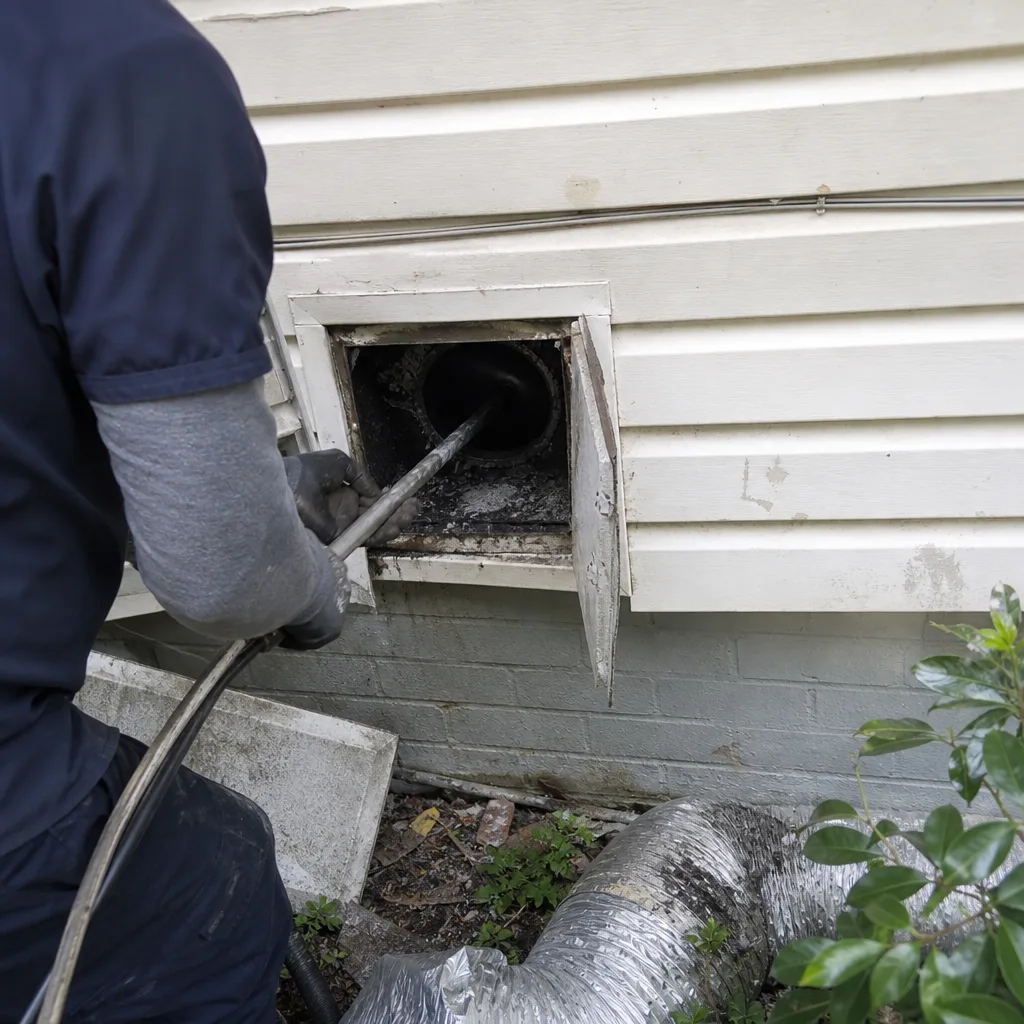 Before
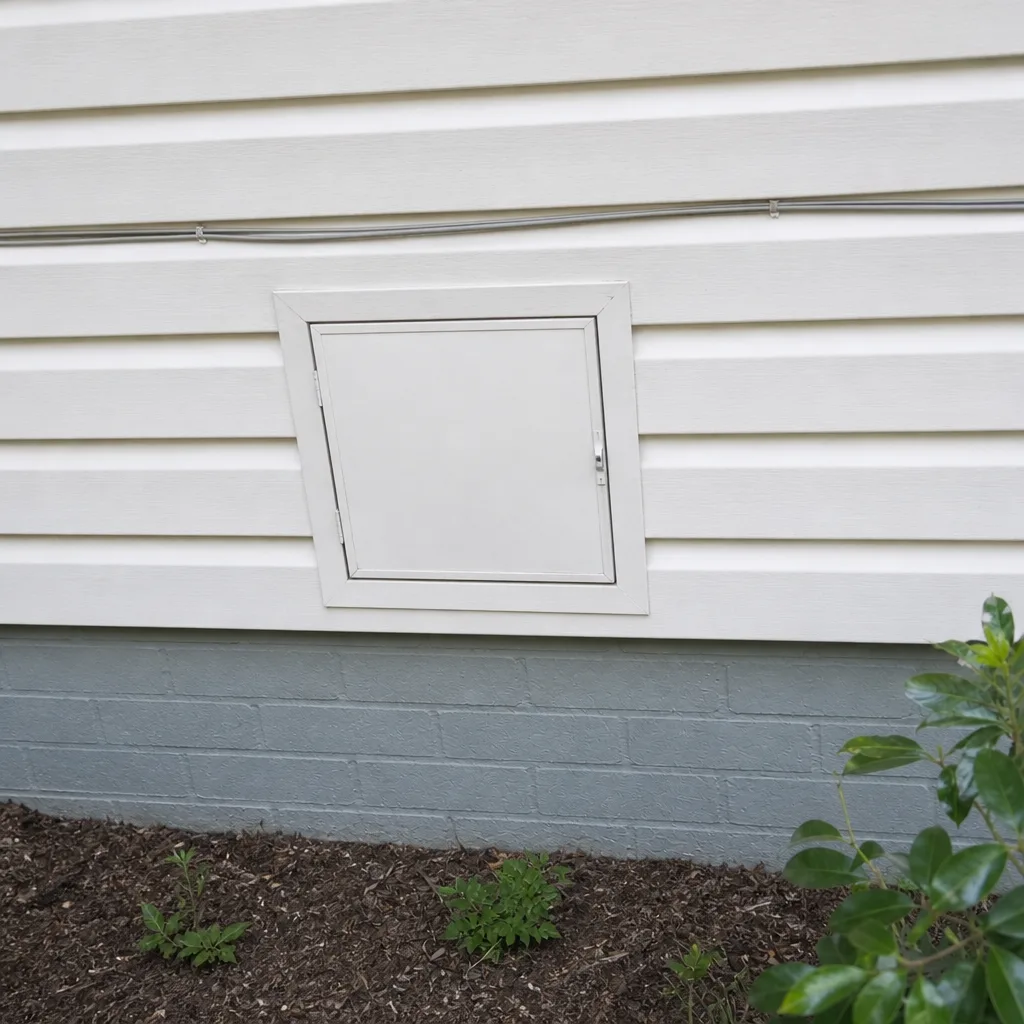 After
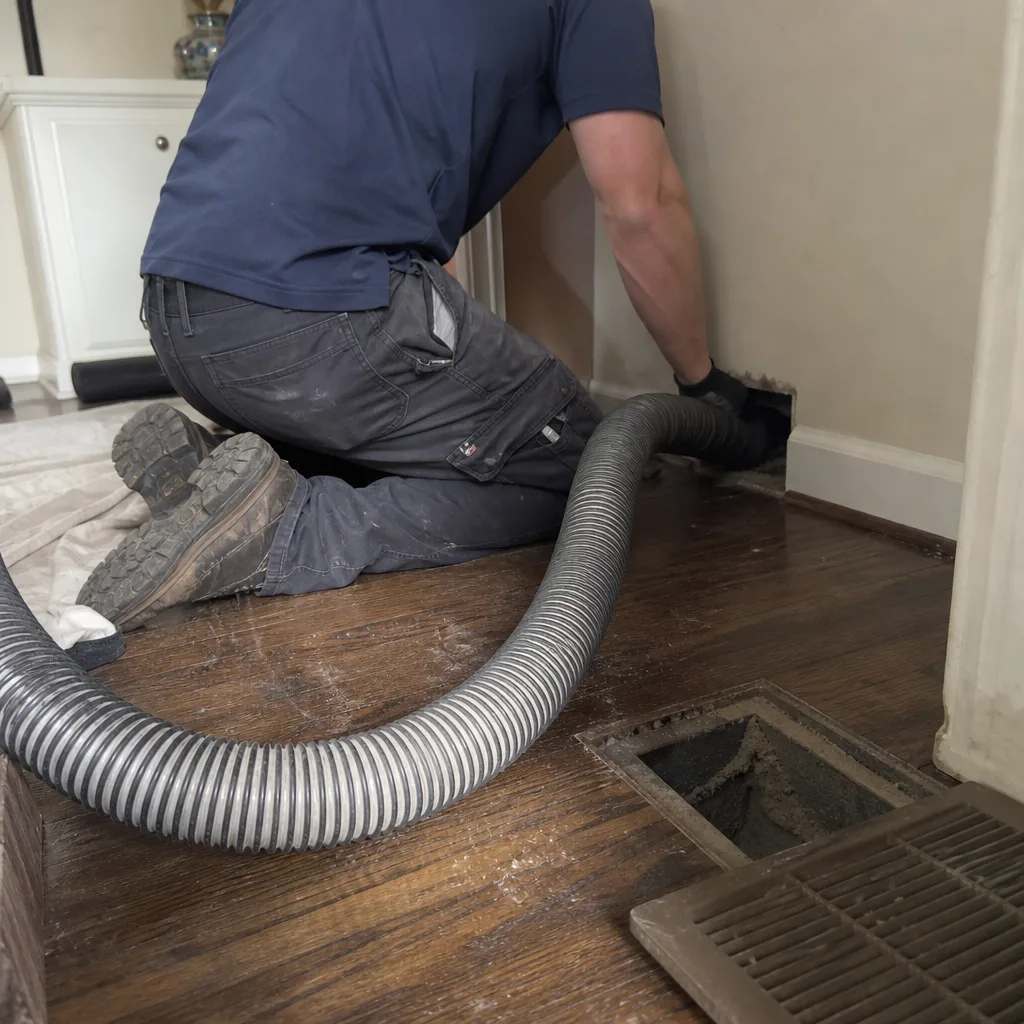 Before
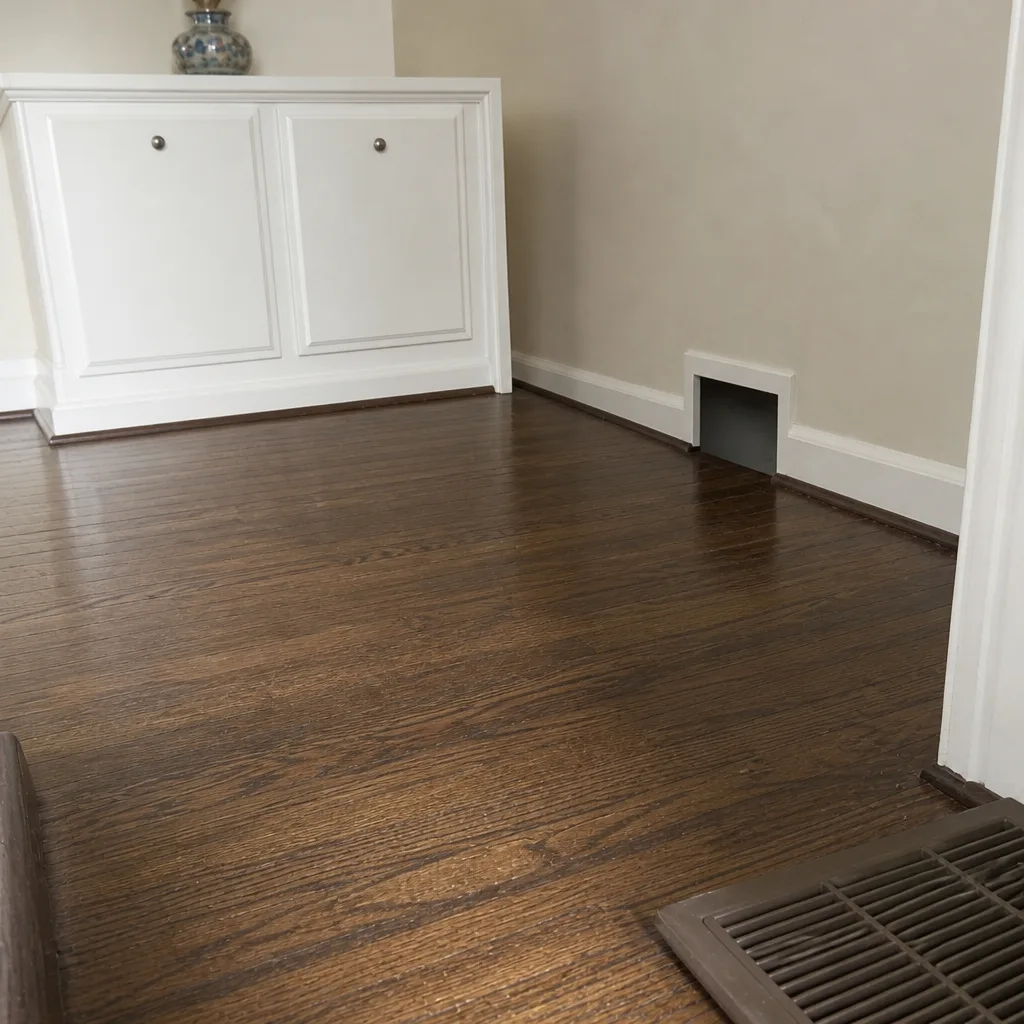 After
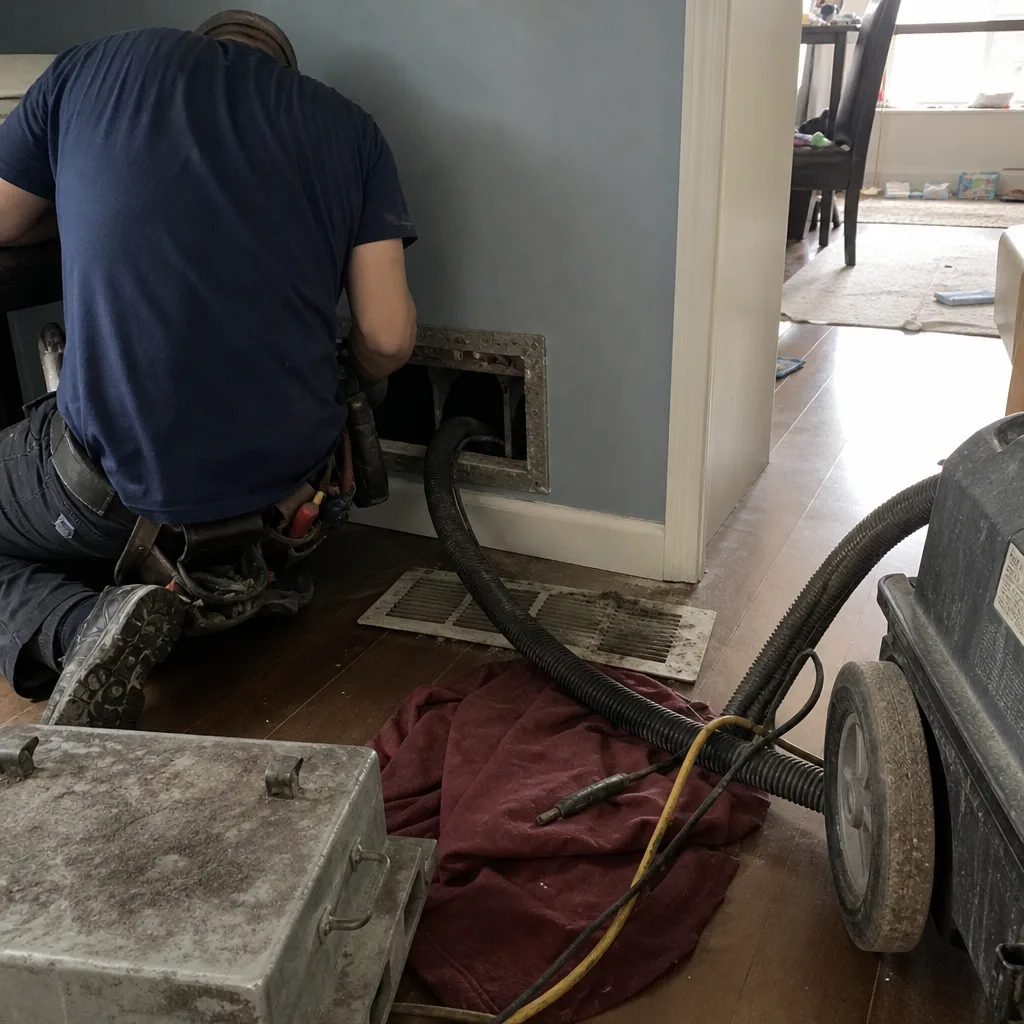 Before
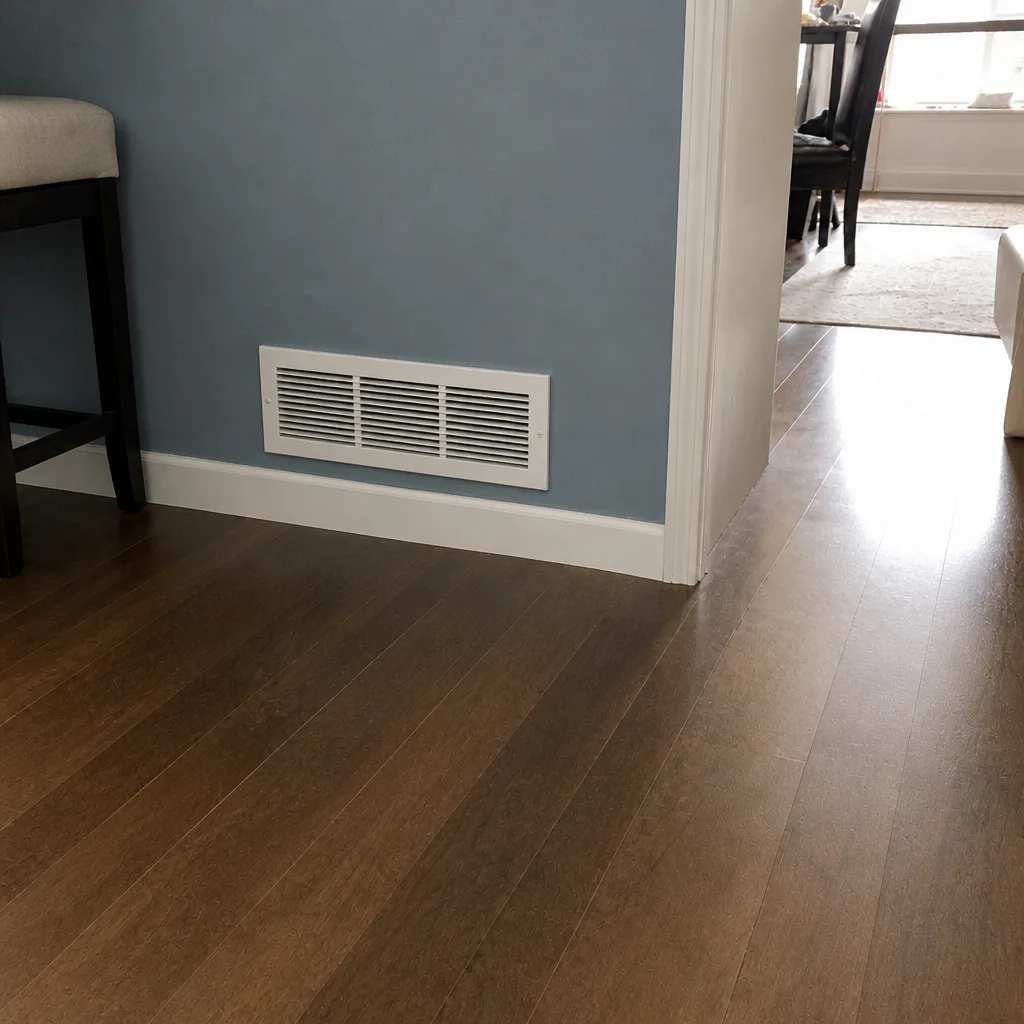 After
Frequently Asked Questions
The most reliable indicators are a musty smell that appears when the HVAC starts, dust returning within days of a cleaning, uneven room temperatures that filter changes don’t fix, and visible streaking or debris at multiple registers. One of these alone could have another cause, but two or three together almost always point to the duct system itself. Call (855) 658-4338 for a free estimate and an inspection of the full system.
A musty smell when the system starts is consistent with microbial growth on duct surfaces, but it’s not a confirmed mold diagnosis on its own. It’s a signal worth acting on, and the right next step is a professional inspection that can identify what’s growing and where, then clean and sanitize the affected surfaces. We can work with your insurer if the source turns out to be a moisture issue tied to a covered event.
Fast-returning dust usually has one of three causes: an undersized or wrong filter, a leaking return that’s pulling dust from an unconditioned attic or crawlspace, or a cleaning that wasn’t thorough. Homes in Green Hills with additions and renovation history are especially prone to the leaking-return cause, because more of the system runs through unconditioned space. If a cleaning didn’t fix the dust, the fix is usually sealing, not cleaning again.
Yes, and it’s common. A system that produces cold air but doesn’t deliver it evenly usually has a supply-side issue: a partial blockage, a crushed section of flex duct, a closed damper, or a disconnected run. The equipment can be doing its job perfectly while one branch isn’t. An inspection of the accessible network identifies which run is compromised, and repair plus sealing addresses it in the same visit.
After a renovation that disturbed drywall, flooring, or insulation, a full-system cleaning is worth doing, because construction dust that enters the ducts stays there through many normal cycles. Cleaning only the visible vents doesn’t remove it. A full-system cleaning with containment keeps the dust from circulating through the living space during the process, which is the point of the Abatement Technologies containment approach we use.
Yes, if the dryer vent hasn’t been cleaned, it’s worth doing as a safety service on the same visit. Lint buildup in a dryer vent is a fire hazard and it’s a service many duct cleaners skip or underperform – we offer it as a dedicated service. Mention it when you call (855) 658-4338 and we’ll include it in the estimate.
The Bottom Line
Most of what a home tells you through smell, dust, airflow, and symptom patterns is specific enough to act on. A musty odor at start-up is microbial growth disturbed by airflow. Dust that returns in days is a filter, a leaking return, or an incomplete cleaning. An uneven room is usually one compromised run. Symptom patterns that follow the HVAC cycle point to duct-borne particulate, and symptom patterns that don’t point elsewhere. The one thing all of these have in common is that the duct system is the place to look, and the right inspection finds the actual cause rather than the guess. Equipment-grade cleaning, containment-first process, and sealing in the same visit are what make the fix hold. If any of these signs sound like your Green Hills home, call (855) 658-4338 for a free estimate.
Written by the team at Air Duct Cleaning Green Hills.