
Last updated November 24, 2026
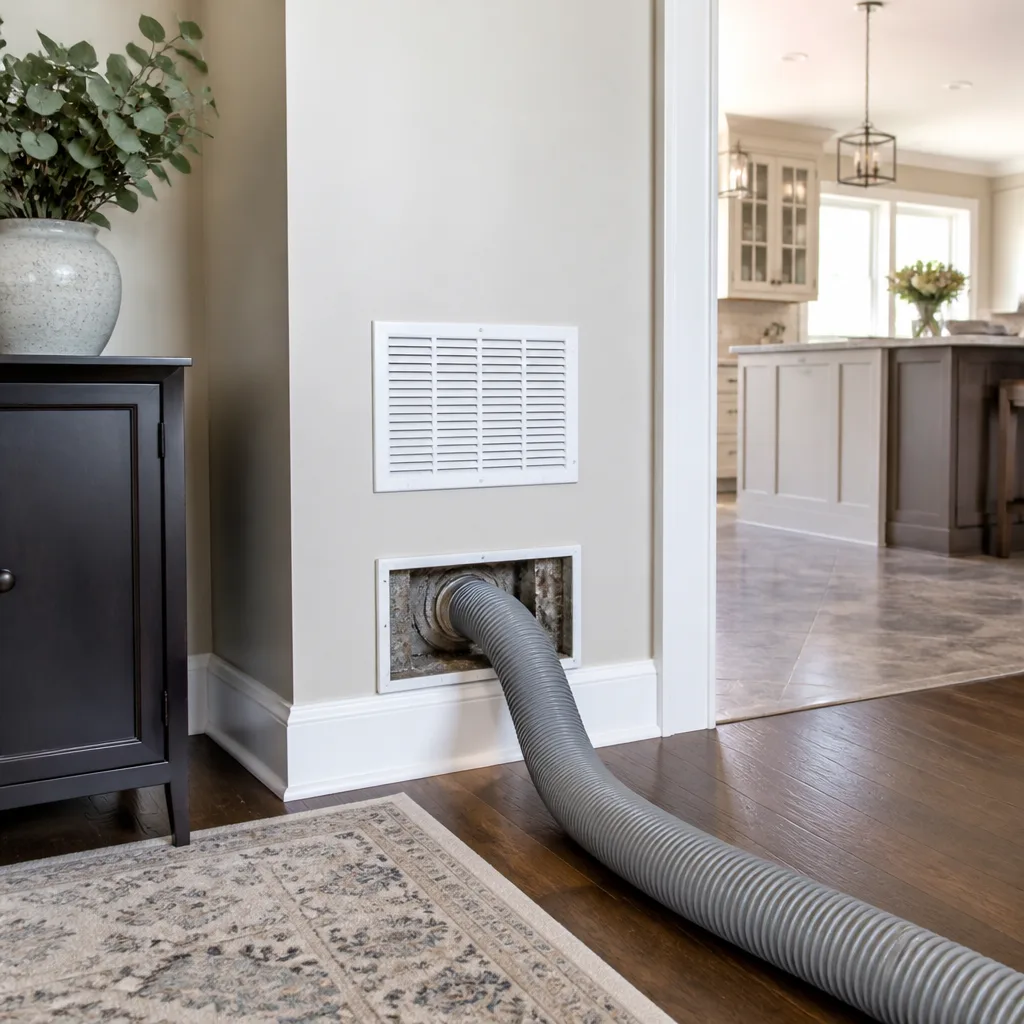 Whole-home duct cleaning
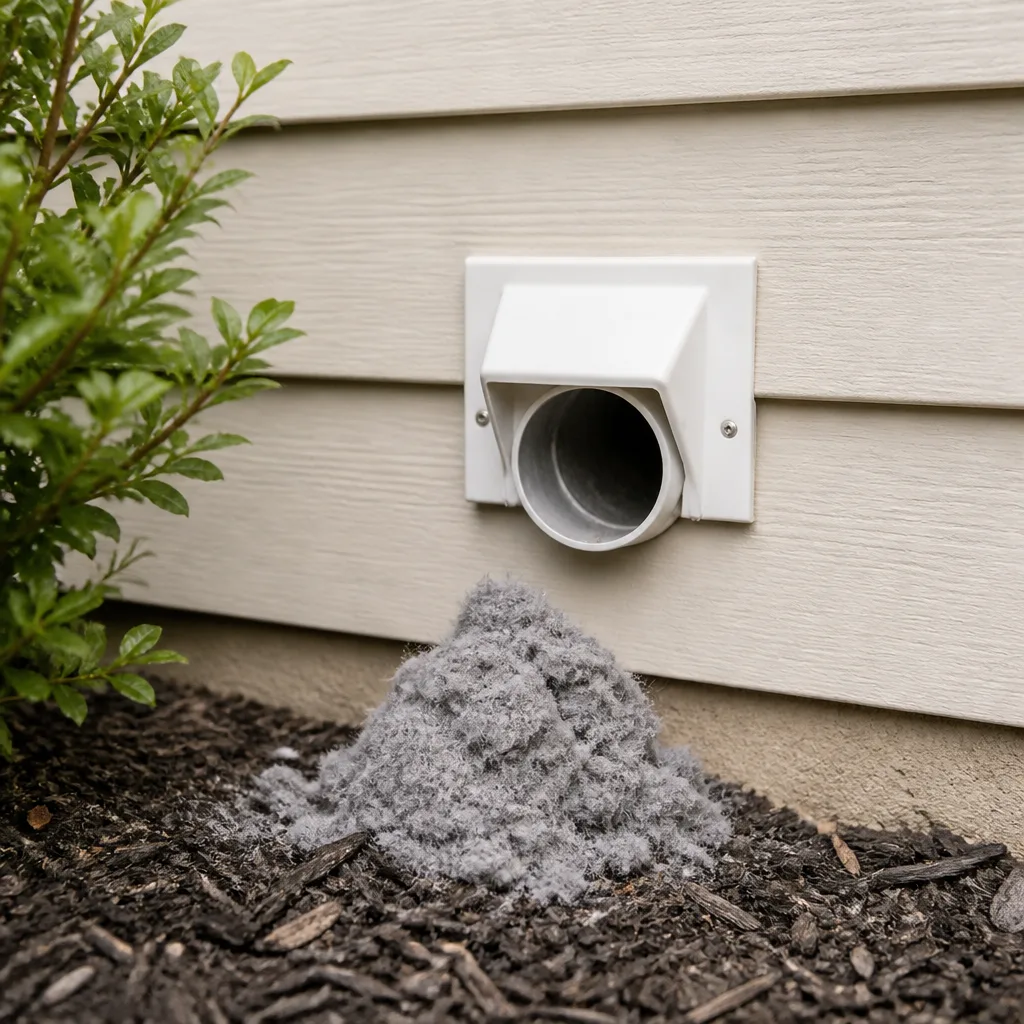 Dryer vent cleaning
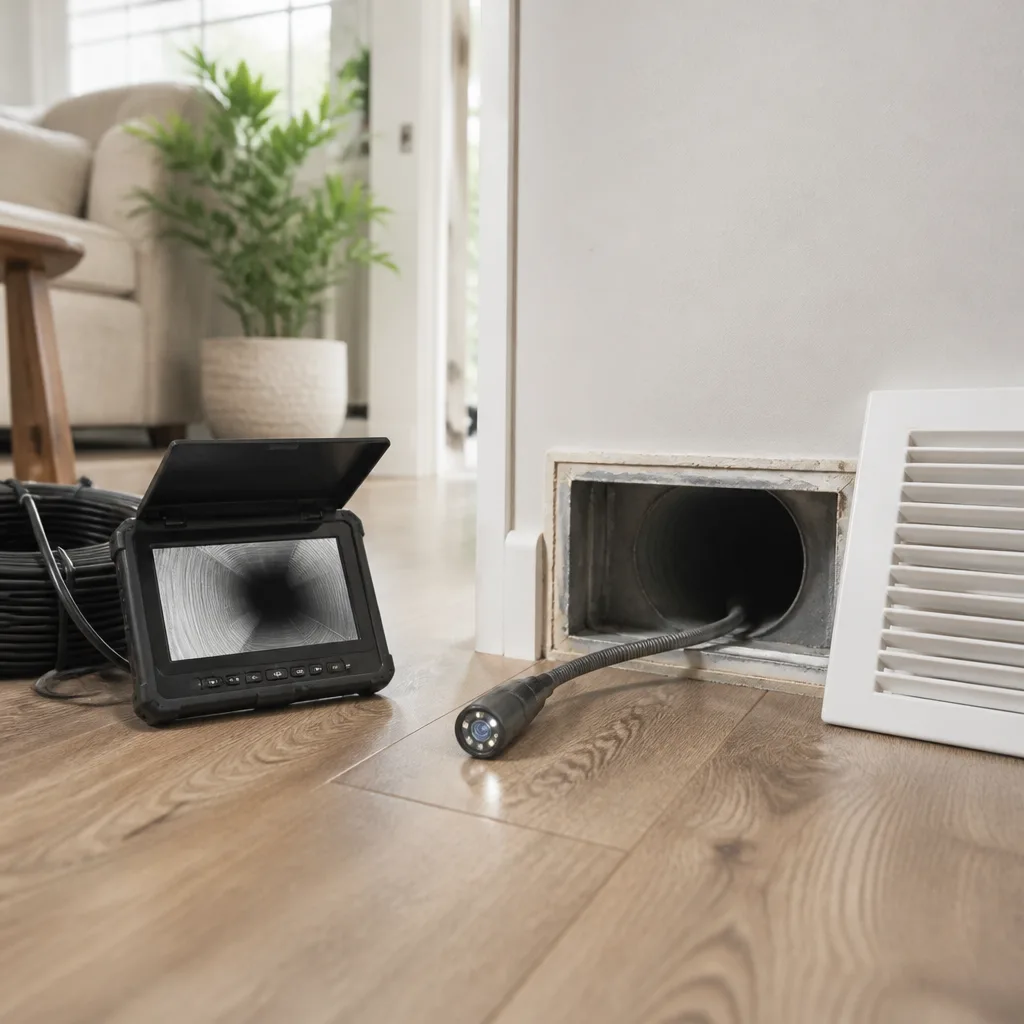 Camera inspection
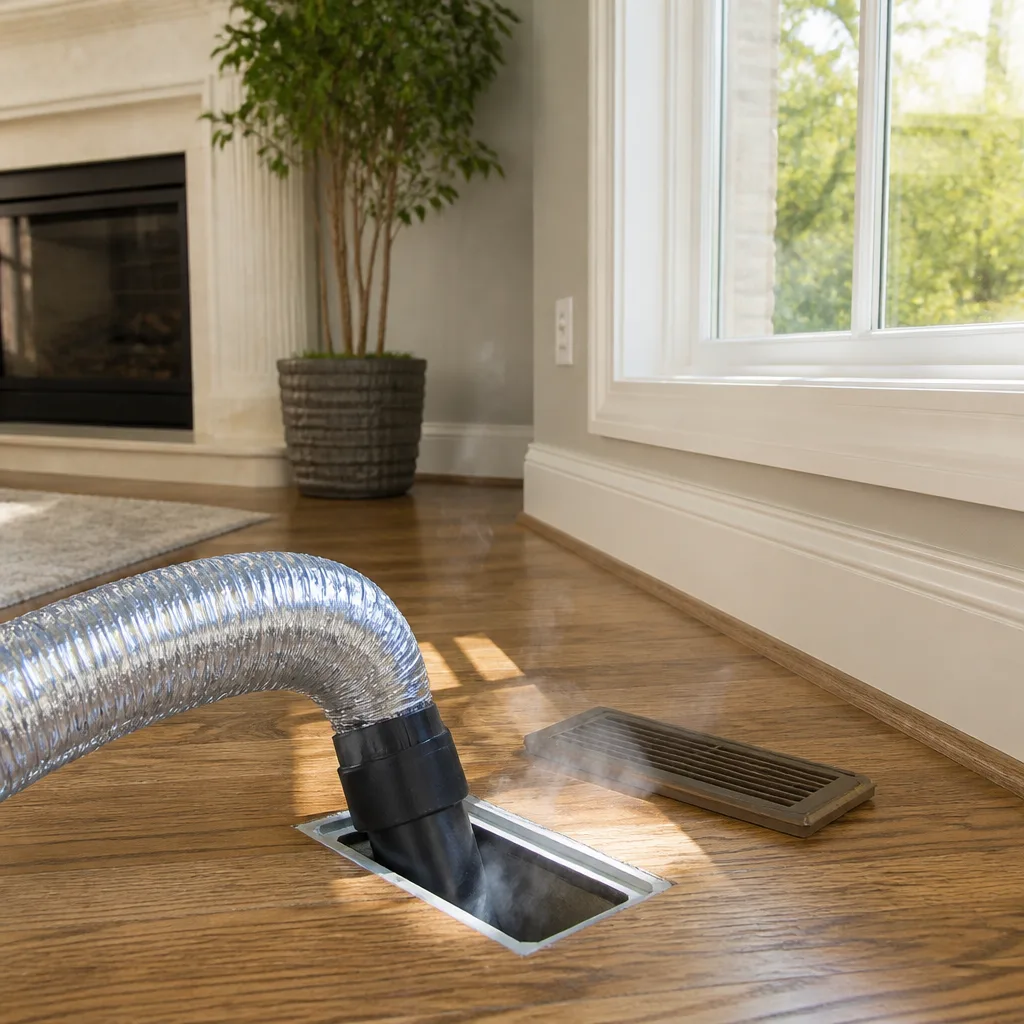 Sanitizing & deodorizing
Whole-system duct and dryer vent check with before-and-after photos - you see exactly what came out of your vents
That "$99 whole-house special" is a bait ad - the real number appears once they are in your hallway, or the "clean" is a shop-vac at the register. We photograph the inside of your ducts before and after instead.
Air Duct Cleaning Permits, Codes & Inspections in Green Hills, TN: What You Need to Know
Here’s a scenario that’s more common than it should be. A technician finds a crushed or disconnected duct run during a routine cleaning, tapes or replaces it on the spot, and never mentions a permit. The homeowner thinks nothing of it – until a buyer’s inspector finds unpermitted HVAC work years later, and the closing gets complicated. Most people assume duct cleaning falls into one simple category of “no permit needed.” That’s only half true. In Green Hills, the line between cleaning and modification moves the moment tools come out. This guide draws that line for you.
Quick Answer
Routine air duct cleaning in Green Hills, TN does not require a permit. But duct repair, replacement, substantial rerouting, or new duct installation generally does fall under Tennessee’s mechanical code and Metro Nashville / Davidson County permitting rules. Cleaning removes debris; modification changes the system. The second category usually needs a permit and an inspection before it’s signed off.
Styles & brands we work with
- Whole-home duct cleaning
- Dryer vent cleaning
- Camera inspection
- Sanitizing & deodorizing
Table of Contents
- Where Duct Cleaning Ends and Duct Repair Begins
- Do You Need a Permit in Green Hills? Tennessee and Metro Nashville Rules
- How to Verify Permit Status on Duct Work Already Done in Your Home
- Sanitizing, Sealing, and When Paperwork Matters
- What to Ask a Contractor Before Any Scope Expansion
- What a Duct-Related Inspection Actually Looks Like
- Why Green Hills Homes Run Into This More Often
- Our Process and How It Stays on the Right Side of the Code
Where Duct Cleaning Ends and Duct Repair Begins
The distinction sounds simple until you’re standing in front of a torn flex run with a roll of foil tape in your hand. Cleaning is defined by what it removes: dust, debris, biological growth, construction residue. Repair is defined by what it changes: a component’s condition, its position, its connection to a plenum, or the geometry of the system. Each step over that line pulls in a different set of rules.
In practical terms, here’s how we draw it during a cleaning in Green Hills:
- Cleaning, no permit. Agitating the interior of a duct run, HEPA-filtered extraction, removing dust from registers and air handlers. No change to the system’s structure.
- Minor sealing within existing joints, likely no permit. Mastic at an existing connection or re-taping a joint that has separated but not moved. Many inspectors treat this as maintenance.
- Repair or replacement, permit usually required. A collapsed section replaced, a new run added, a trunk extended, a run rerouted, or a duct replaced across a substantial length.
- New ductwork or system redesign, permit and inspection required. Any time you’re adding conditioned air where it didn’t previously exist or reconfiguring a plenum.
The exact cutoff varies with what a local plan reviewer considers “substantial.” Contact the Metro Nashville codes office and describe the specific repair if you’re unsure, because a five-minute phone call can clarify what a self-permit or a licensed contractor’s permit needs to look like. We’ve seen enough jobs in the Green Hills area where the boundary was treated carelessly to tell you the mistake usually isn’t malicious. It’s a technician who genuinely doesn’t know where the line sits.
Do You Need a Permit in Green Hills? Tennessee and Metro Nashville Rules
No permit is needed to clean ductwork in Green Hills. A permit is generally required when the work involves repair, replacement, or new installation of duct distribution components under the mechanical provisions Tennessee has adopted statewide and Metro Nashville enforces at the local level.
Tennessee operates under a statewide minimum code framework – the adopted model codes apply across jurisdictions, but each county and metro handles permits and inspections itself. Green Hills sits inside Davidson County, so Metro Nashville’s codes department is the office that issues the permit and sends the inspector, not a separate Green Hills municipal office. That’s a detail worth knowing before you call anyone. If you’re quoted “the Green Hills inspector,” ask which department they mean.
Practically, the permitting picture looks like this:
- Cleaning only: no permit, no inspection. The work is maintenance, and it’s outside the permit process.
- Duct repair or replacement (including a single failing run): generally a permit, generally an inspection before the system is closed back up. Ask the contractor to pull the permit in their name and to list it on the invoice.
- Duct sealing of a whole system: often permit-exempt maintenance if no structural change happens, but the answer depends on how the sealing is done and whether the scope includes rerouting.
- New ductwork or a system redesign: permit and inspection, with a load calculation to back up the design in most cases.
- Sanitizing (no structural touch): not a permit item. Documentation is discussed further down, because sanitizing creates records that sometimes matter at resale.
Local code offices update their procedures periodically, so always confirm current requirements with the Metro Nashville codes department before signing a scope of work. That’s not a hedge; it’s how anyone who does this daily stays accurate.
How to Verify Permit Status on Duct Work Already Done in Your Home
You can verify whether duct work in Green Hills was permitted by checking with Metro Nashville’s codes department directly, using the address and either the permit number or the contractor’s name. It takes one call, and it’s the only way to know for certain.
Here’s the straightforward process:
- Gather the address and dates. You need the property address and roughly when the work happened – recent HVAC replacement, a renovation, or a duct repair the seller disclosed.
- Call the Metro Nashville codes department. Ask for the permit history on the property. If duct work was permitted, it usually shows up under the HVAC or mechanical category tied to the address.
- Ask about inspection status, not just issuance. A permit pulled but never inspected is a different problem than a permit never pulled at all. Both can surface at resale, and both need a fix.
- If a permit was pulled, ask who the contractor of record was. That name matters if a subsequent issue needs a warranty claim or a return visit.
- If nothing was permitted and work was clearly done, ask the codes office what remedy they accept – usually an after-the-fact permit or a licensed contractor’s evaluation and correction.
- Keep the answer in writing. An email confirmation or a screenshot of the permit record is what you’ll want when a buyer’s inspector asks.
In our experience, Green Hills homeowners who ask for permit history before listing tend to find fewer surprises than ones who wait for the buyer’s inspector to raise it. The good news is that most unpermitted duct repairs can be resolved through the proper channels. It’s a matter of doing it deliberately rather than being told about it on a deadline.
Sanitizing, Sealing, and When Paperwork Matters
Sanitizing ductwork in Green Hills doesn’t usually require a permit, but it does create records worth keeping. Sealing treatments sit in a gray zone that depends on whether the sealing changes the system’s structure.
Sanitizing and antimicrobial treatments aren’t code items. They’re application items. What matters is what product was used, on what surfaces, at what concentration, and by whom. If you have allergies, respiratory sensitivity, or someone in the home on immunosuppressive medication, having that record isn’t paranoia. It’s practical, and it’s the difference between “we treated the system” and “here’s exactly what was applied.”
Sealing is the more interesting case. Aeroseal-type sealants and mastic-based joint sealing are usually treated as maintenance when the work stays inside existing duct walls. When sealing is bundled with rerouting or a repair that changes the geometry of the system, permitting tends to apply. Our approach with sealing is to document what we sealed before and after, with photos of the same run – so the day someone asks, the answer is visual and immediate.
For homeowners in Green Hills planning to sell within a few years, three documents avoid most of the friction at closing:
- A dated cleaning and sanitizing report with the product used and the areas treated.
- Before-and-after photos of the duct runs, especially any run that had visible debris or damage.
- Any permit records and inspection sign-offs for repair or replacement work, kept with the HVAC documentation file.
We work with recognized air quality brands including Honeywell and Aprilaire, and both fit this pattern: whole-home filtration and humidification work is often documented the same way as sanitizing. If you’ve added a filtering system or a humidifier to a ducted system, keep the install paperwork with your cleaning records.
What to Ask a Contractor Before Any Scope Expansion
Before a cleaning turns into a repair, ask the contractor whether a permit is required for the specific work, who pulls it, and whether an inspection will follow. A contractor who can’t answer those three questions cleanly is a contractor you should slow down with.
Here are the questions we think every Green Hills homeowner should have ready:
- “Is this repair, or is this cleaning?” If the answer is repair, ask the next question before any tape goes on.
- “Does this specific work require a permit, and who pulls it?” The contractor should pull it in their own name, not ask you to self-permit a repair you didn’t design.
- “Will there be an inspection, and what does it look like?” An inspection before the duct is closed back up is common for replacement work. After-the-fact inspection is possible but messier.
- “What’s the documentation I get when the job is done?” A cleaning report, before-and-after photos, any permit records, and an invoice that itemizes what was repaired. If any of those are missing, ask why.
- “If the scope expands, will you write a new estimate?” This is the fairest question in the whole list. One flat price per system, agreed before the work starts. If the scope grows, the price should be re-agreed in writing, not surprises at the end.
- “Do you sanitize or seal, and what documentation comes with that?” Product name, treated areas, photos.
The good contractors in this market will welcome the questions. A specialist operation using Rotobrush contact-cleaning equipment and Nikro HEPA-filtered extraction has no reason to avoid a conversation about scope and documentation, because the work holds up to inspection. The ones who get uncomfortable with these questions are telling you something.
What a Duct-Related Inspection Actually Looks Like
A duct-related inspection in Green Hills is usually an HVAC mechanical inspection tied to a permitted repair or replacement. The inspector checks that the work matches the permit scope and the adopted code, not that your ducts are clean. Cleaning is not an inspected event.
The inspection itself is short and practical. Here’s what a typical pass looks like:
- Permit on site, scope matched. The inspector confirms the work matches what the permit covers. Expanded scope without an amended permit is a common failure point.
- Connections checked. Seams, joints, plenum connections, and the transition points at the air handler. Loose tape or an improperly supported run gets flagged.
- Support and clearances checked. Duct runs need proper support and clearance from combustibles, particularly in attic and crawlspace installs common in older Green Hills homes.
- Airflow and system function confirmed. The inspector may check that the system is delivering air where it should and isn’t leaking in ways that affect function.
- Sign-off issued after the work is visible. If you sealed or covered the duct before inspection, the inspector can’t see the work. Pull the inspection before closing anything back up.
The one thing we’d underline: an inspection is for permitted work. If you only had cleaning done, there’s no inspection to schedule, and a contractor who tells you they’re “getting the ducts inspected after cleaning” is describing something that doesn’t happen in the standard process. Cleaning documentation is a report and photos, not a municipal inspection.
Why Green Hills Homes Run Into This More Often
Green Hills homes tend to be older, larger, and more often expanded over time than properties in newer subdivisions. That combination produces attics with duct systems added to, taped to, and rerouted around at different points, and those systems are where permit boundaries get crossed most often.
Older construction is one factor. Another is the shape of the housing stock in Green Hills. Homes with original ductwork installed during a prior era often have attic and crawlspace runs that have been modified incrementally – a second system added, a trunk line extended to a new room, a return path changed. Each of those modifications was supposed to have a permit under the same general mechanical rules. When a duct cleaner opens the system and finds a run that’s been crushed for years, the repair that follows is usually the point where the paperwork history matters. Tennessee’s humid summers also put condensation and sealing issues on the list, because a duct run with poor seams in a hot attic sweats and degrades faster than one that was properly sealed when installed.
None of this is meant to alarm anyone. It’s a reason to slow down and ask. If you live in Green Hills and you’ve lived through one or two renovations with HVAC changes, checking the permit history is a reasonable habit. So is asking a cleaner to scope and photograph what they find before anyone touches a repair. And identifying the exact repair before the estimate gets written is the single best way to avoid a scope that quietly turns into unpermitted work.
Our Process and How It Stays on the Right Side of the Code
Our approach in Green Hills is containment-first, document-everything, and let the client decide on any scope expansion. It keeps our work provable and it keeps it inside the rules.
Here’s the general shape of a cleaning with our equipment:
- Assessment. We scope the system with a camera, check every register and the air handler, and note the condition of each run before any cleaning begins.
- Containment. We set up negative-air containment using Abatement Technologies methods, so dislodged debris stays in the work zone instead of drifting into your living space.
- Mechanical cleaning. Rotobrush contact cleaning loosens debris along the duct walls with simultaneous HEPA-filtered extraction, run by run.
- Extraction and verification. Nikro HEPA equipment – the same class of equipment used in contaminant remediation – pulls the rest out. We photograph each run before and after.
- Sanitizing (if scheduled). Applied to treated surfaces with product documentation you keep.
- Scope review. If anything we found is a repair – a collapsed section, a disconnected run, a failing joint – we stop, photograph it, and write a separate estimate with the permit question answered up front. No same-day surprise repairs.
- Report. Before-and-after photos, what was cleaned and what was treated, and any recommended follow-up.
We also offer dryer vent cleaning as a standalone service, because lint buildup in a dryer run is a fire risk that a duct cleaning crew shouldn’t skip. And if you’re coordinating cleaning with a larger HVAC project, we handle HVAC cleaning in the same visit. One call covers the whole system, which is also how we keep the paperwork coherent – one report, one set of photos, one document file.
Common Mistakes to Avoid
- Assuming “cleaning” covers everything. Cleaning and repair are separate categories. If a technician repairs without mentioning permits, ask. In Green Hills that question is worth asking on every visit.
- Accepting a verbal scope change. If the crew finds something and offers to fix it for an extra figure with no written estimate, that’s not a repair you should accept. Get it in writing, with the permit answer included.
- Skipping the permit history before selling. A few minutes on the phone with the Metro Nashville codes department before listing avoids the wrong conversation with a buyer’s inspector.
- Letting duct work get covered before inspection. If a repair or replacement is permitted, the inspector needs to see the work before it’s sealed in. Pull the inspection first.
- Not keeping the sanitizing record. A cleaning report with the product and treated surfaces is the document that matters years later. Keep it with the HVAC file.
- Using a cleaning-only company for repair-heavy work. If a company can only clean, they’ll likely hand off the repair to whoever’s available, and the paperwork often gets lost in that handoff.
- Assuming a low coupon price is the whole price. Per-vent pricing and teaser offers are exactly what makes the industry’s reputation what it is. Ask for a flat price per system before work starts, and ask what’s included.
See the difference
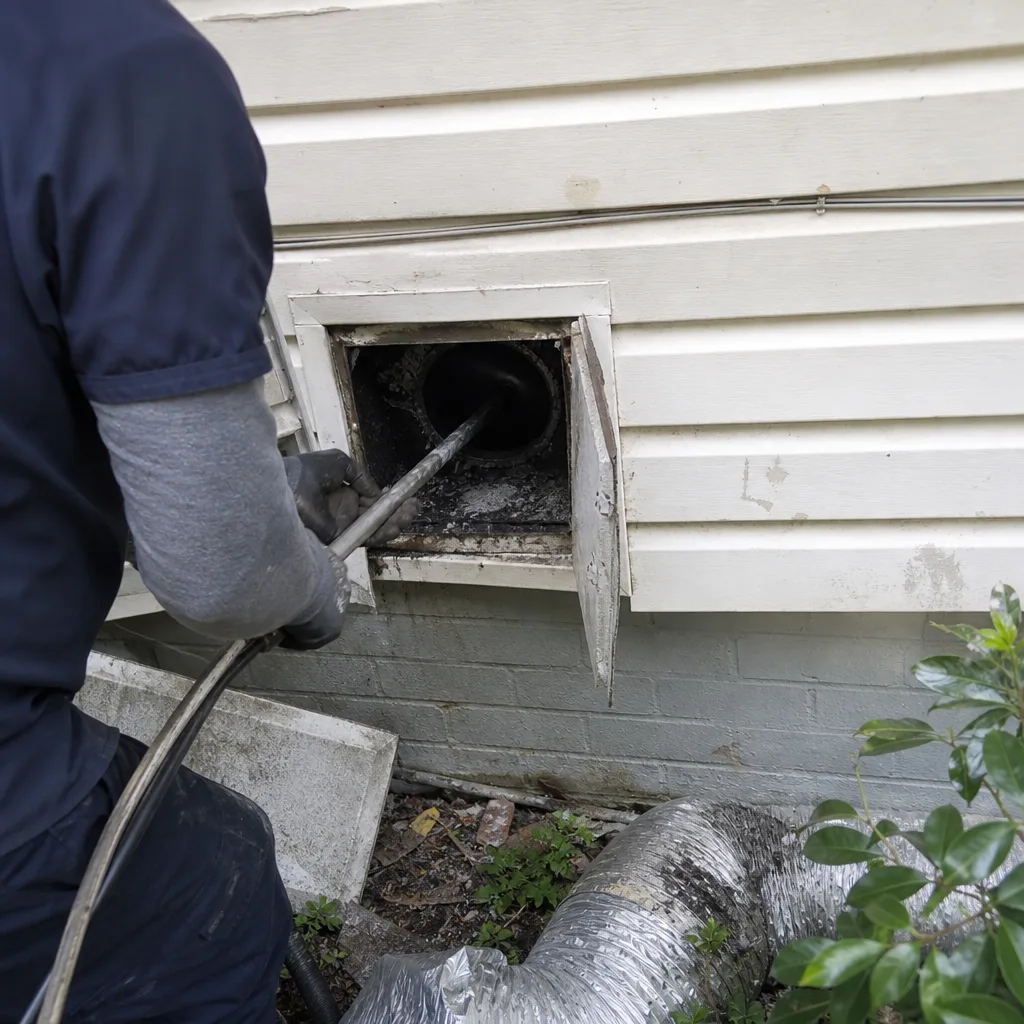 Before
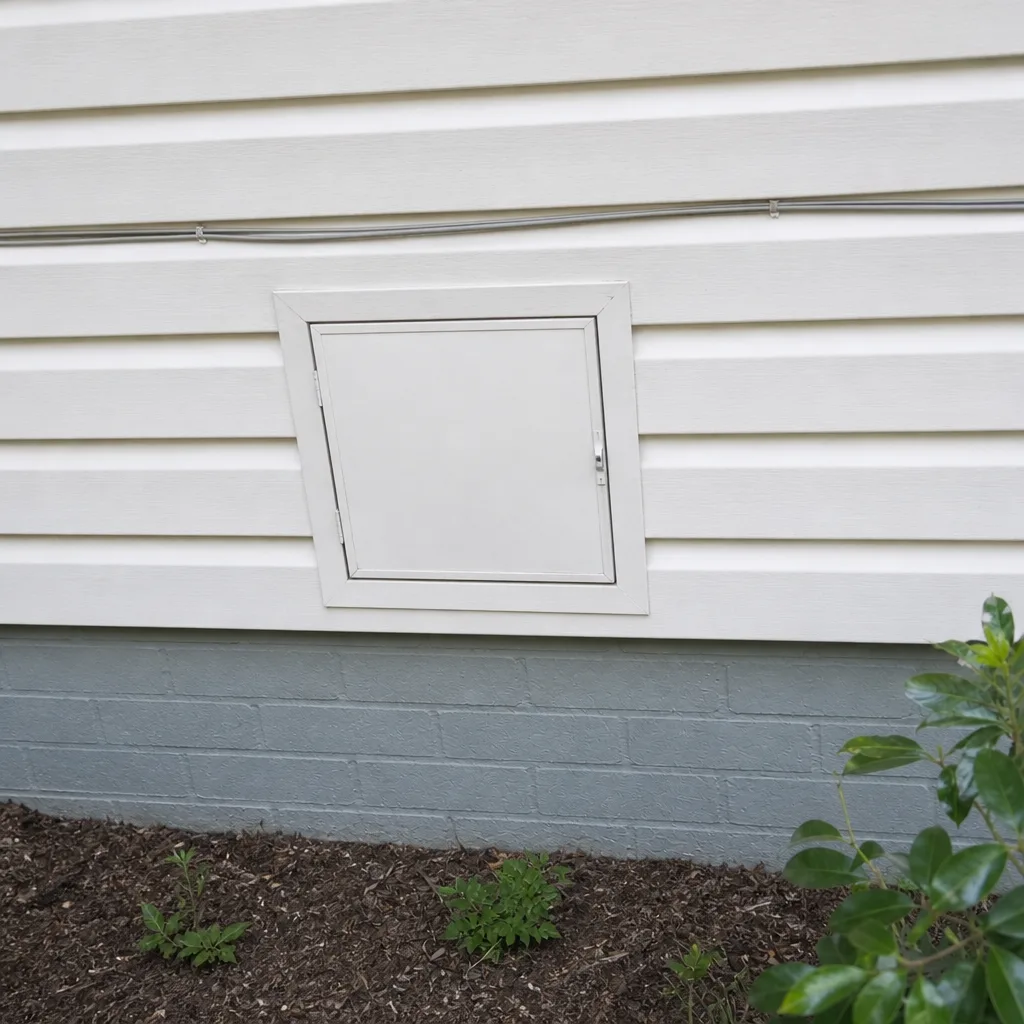 After
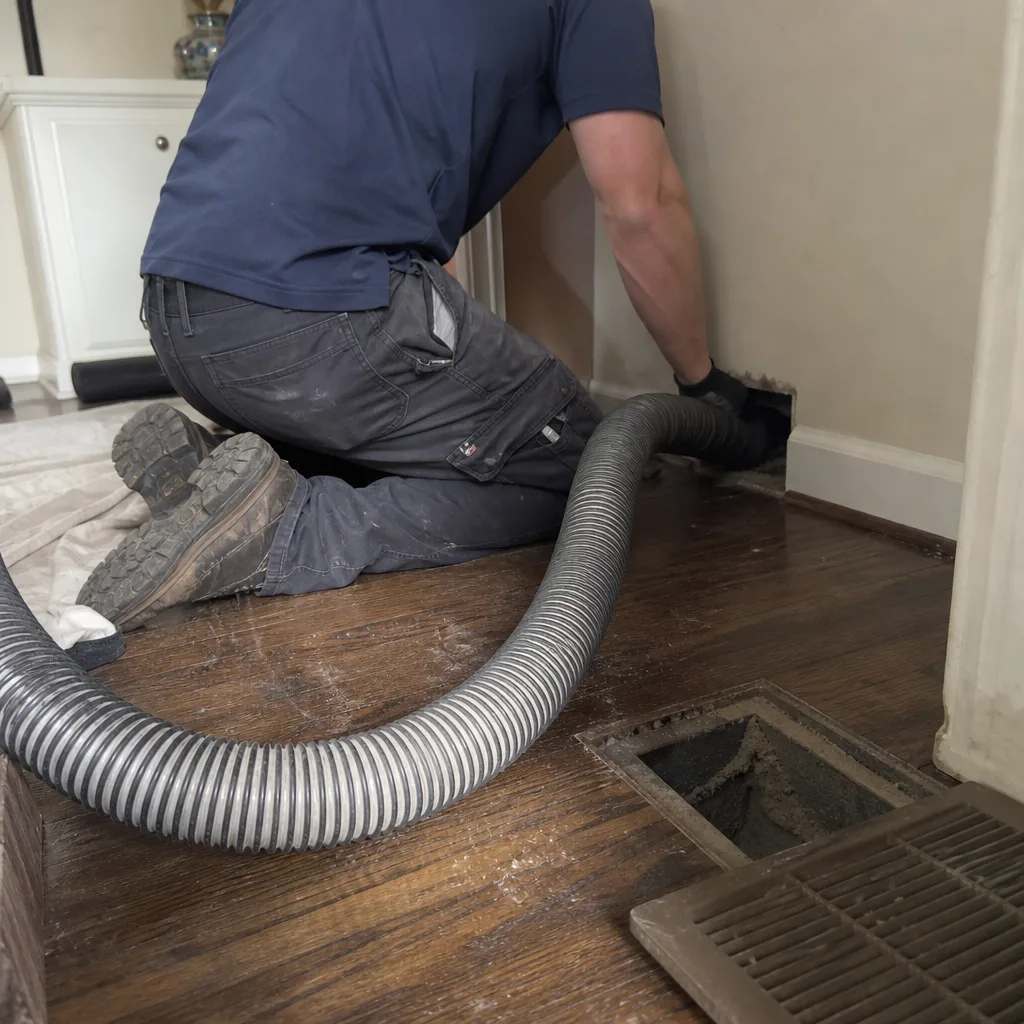 Before
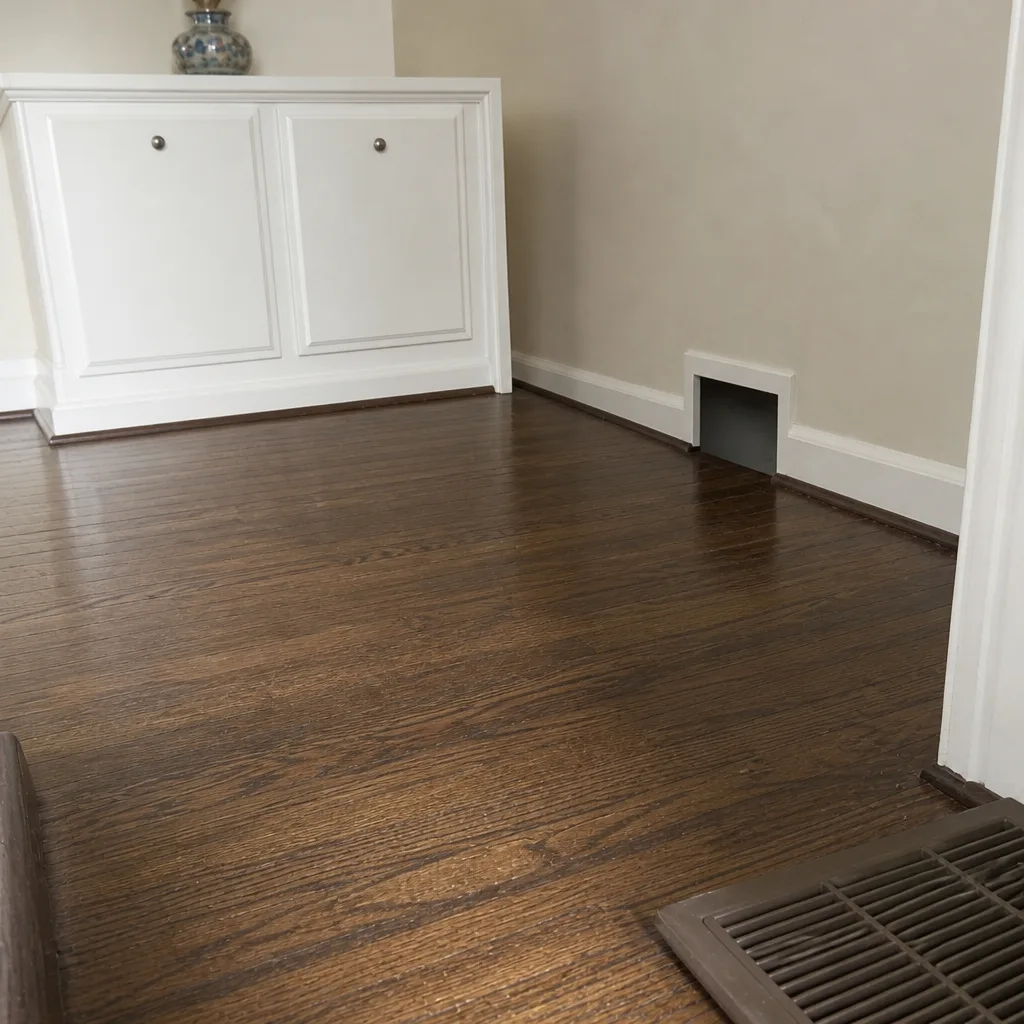 After
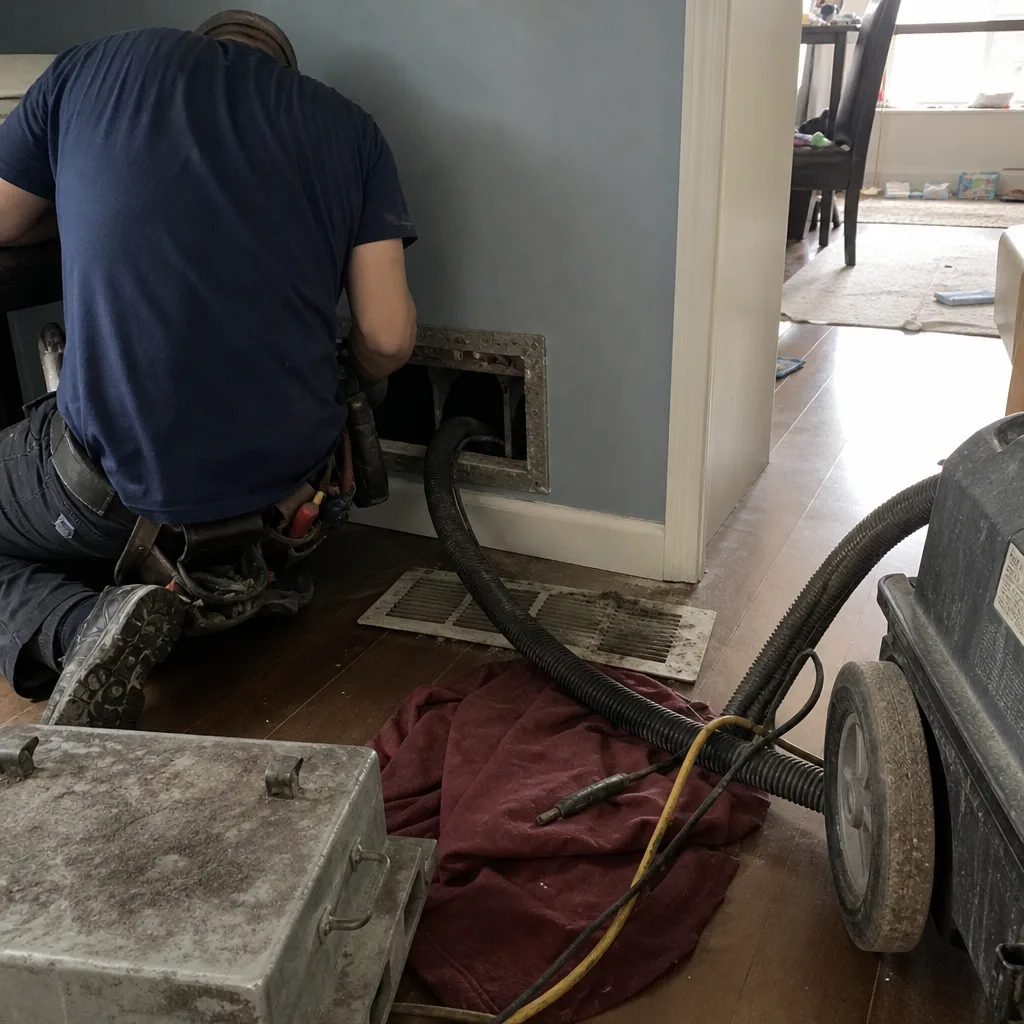 Before
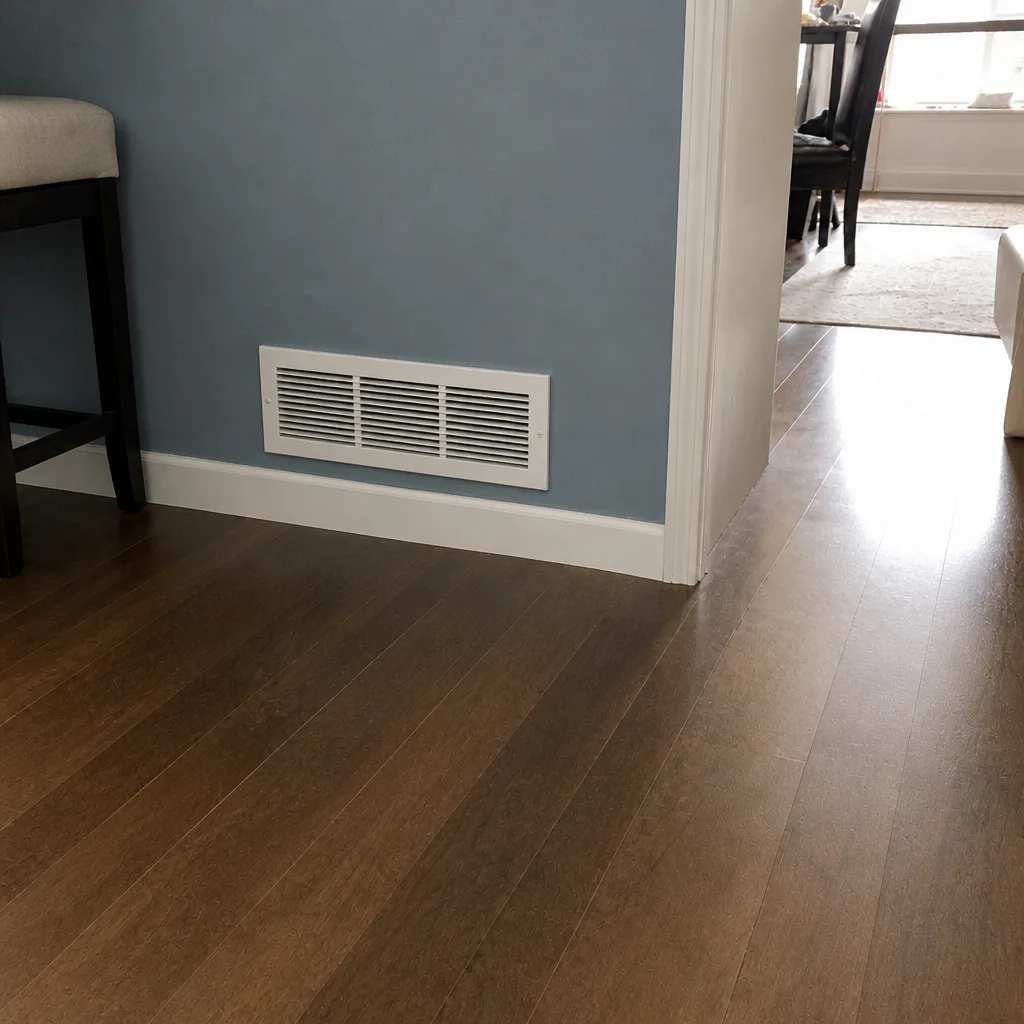 After
When to Call a Professional
Some situations are clearly a professional call. Visible debris blowing from registers, a musty smell that returns after cleaning, a duct run you can see is disconnected in the attic, or a system that’s been through a renovation without a documented cleaning are all signs it’s time for a proper assessment in Green Hills. Any time the scope crosses into repair, you want a professional who knows where the permit line sits and will put that in writing. If you’re not sure whether cleaning or repair is what you need, that’s a reasonable thing to ask before scheduling anything. Air Duct Cleaning Green Hills offers free estimates in Green Hills – call (855) 658-4338. We answer 24/7. Fast dispatch from 7am to 7pm, Sunday through Friday.
Frequently Asked Questions
No. Routine air duct cleaning in Green Hills does not require a permit, because cleaning removes debris without changing the system. Repairs, replacements, rerouting, or new duct installation generally do require a permit through Metro Nashville’s codes department. Call (855) 658-4338 for an exact quote on your specific system – estimates are free.
Yes, in most cases. Duct repair and replacement fall under Tennessee’s adopted mechanical code, which Metro Nashville enforces for Green Hills properties. The contractor should pull the permit in their name, and the work typically gets an inspection before it’s covered. If you’re unsure whether your repair is permit-worthy, ask the codes department to describe the specific work before you sign anything.
Call the Metro Nashville codes department with your property address and ask for the permit history, then ask about inspection status separately. A permit that was issued but never inspected is a different problem than no permit at all, and both need a fix. Keep the answer in writing, especially if you’re planning to sell.
No. Sanitizing is not a permit item. What matters is documentation: which product was used, which surfaces were treated, and when. If anyone in the home has respiratory sensitivity or an immune condition, the record is worth having on file. Ask your contractor for the product name and treated areas in writing.
They can, but the repair needs a written estimate and the permit question answered before the work starts, not after. We clean first, photograph what we find, and write any repair as a separate estimate. That’s how a “cleaning with a surprise repair” stops being a surprise. Call (855) 658-4338 for an exact quote – estimates are free.
Per-vent teaser pricing, consumer-grade equipment instead of professional-grade systems, and no containment protocol are the usual reasons. Ask what equipment they use, whether they contain the work area, and whether you get before-and-after photos of your own ducts. If the answers are vague, the price usually is too. Call (855) 658-4338 for a flat price per system, agreed before work starts.
The Bottom Line
Duct cleaning in Green Hills is maintenance and doesn’t need a permit. Duct repair, replacement, rerouting, or new installation generally does, under Tennessee’s mechanical code as Metro Nashville enforces it. The line between those two categories is where most of the risk sits, because it’s the line a technician is standing on when they find a problem. Keep three habits and this stops being complicated: ask whether the work is repair or cleaning before anyone touches a repair, ask who pulls the permit and whether an inspection follows, and keep the documentation – the cleaning report, the before-and-after photos, any permit records. Our technicians have up to 12 years of experience with professional-grade Rotobrush and Nikro equipment, and we’re happy to answer the code questions before they come up.
If you’re ready to schedule an air duct cleaning or want a professional opinion on something you’ve already had done, we offer free estimates in Green Hills. Call (855) 658-4338. We answer 24/7. Fast dispatch from 7am to 7pm, Sunday through Friday. One flat price per system, agreed before work starts, with before-and-after photos of your own ducts – and every scope change gets a written estimate and an honest answer on the permit question. That’s the whole process. Start with air duct cleaning in Green Hills and we’ll take it from there.
Written by the team at Air Duct Cleaning Green Hills.