
Last updated November 24, 2026
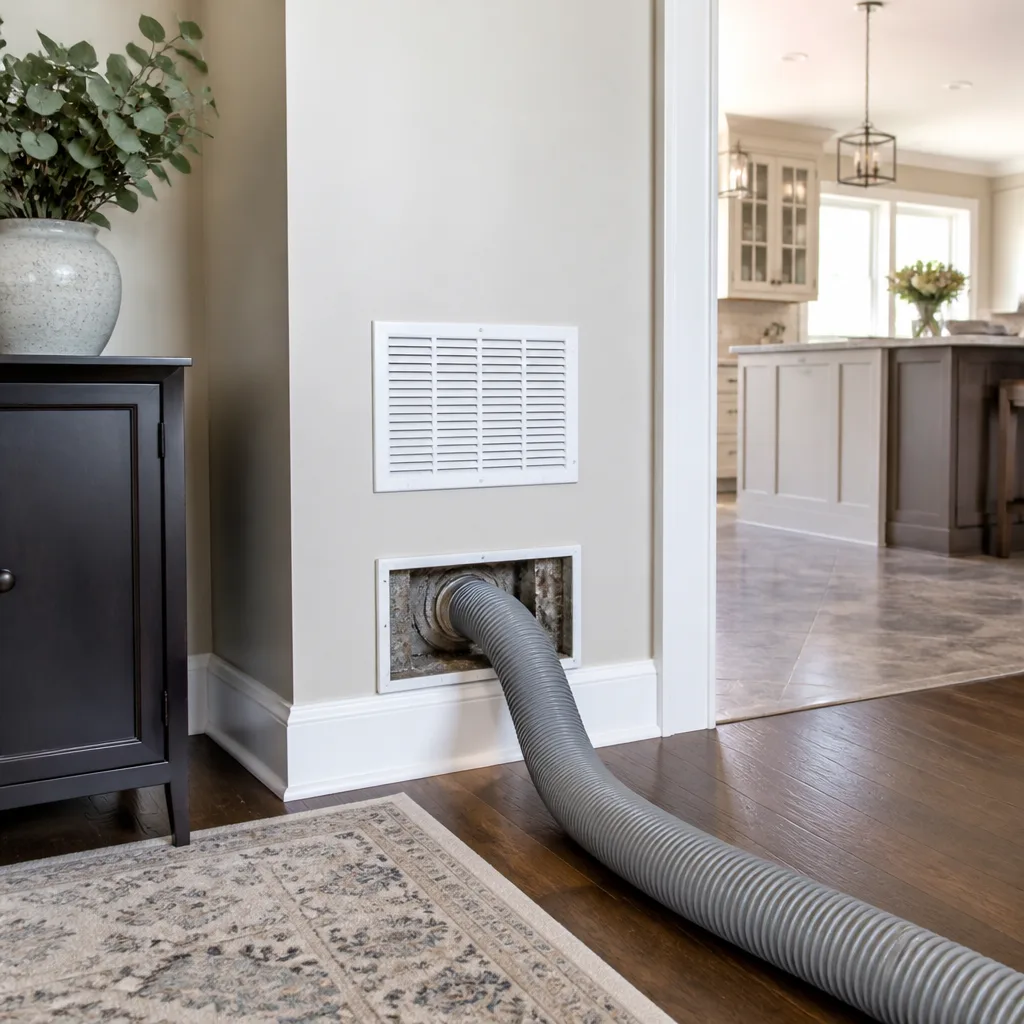 Whole-home duct cleaning
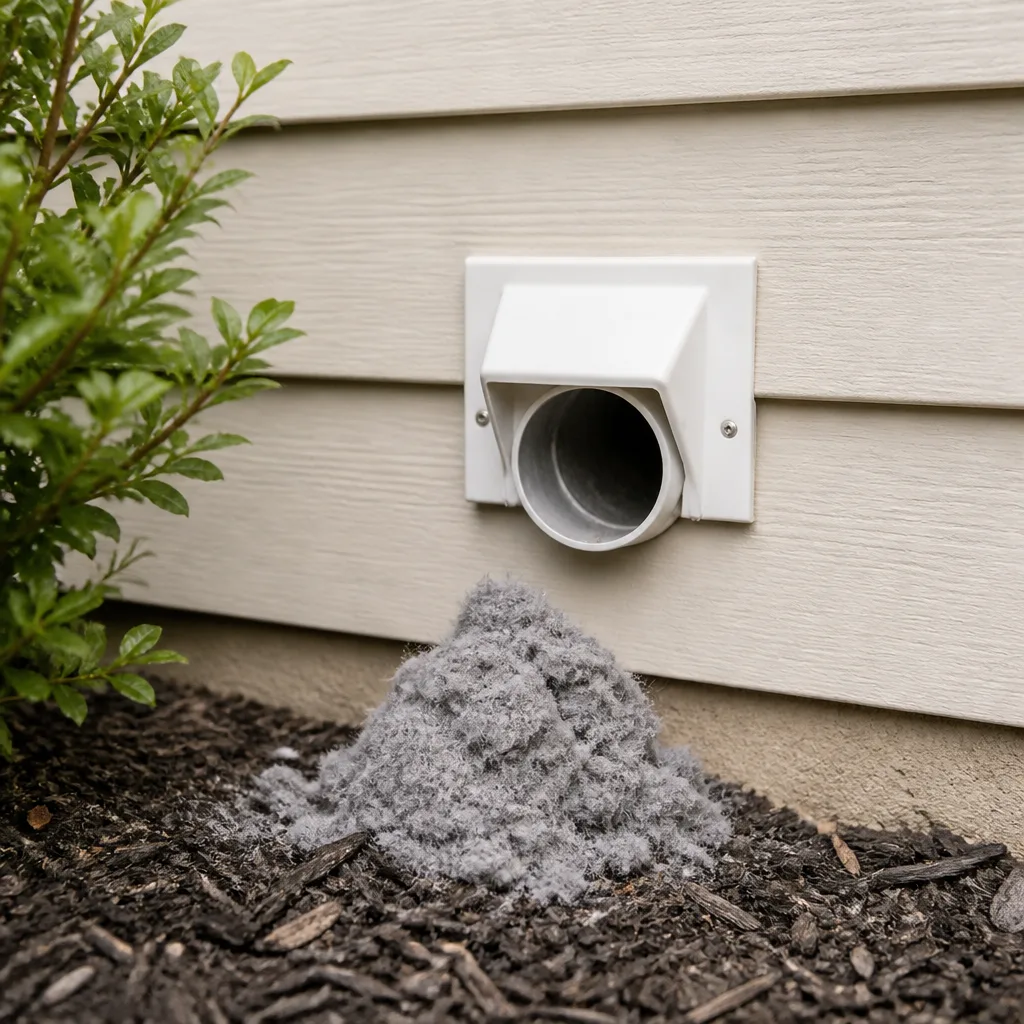 Dryer vent cleaning
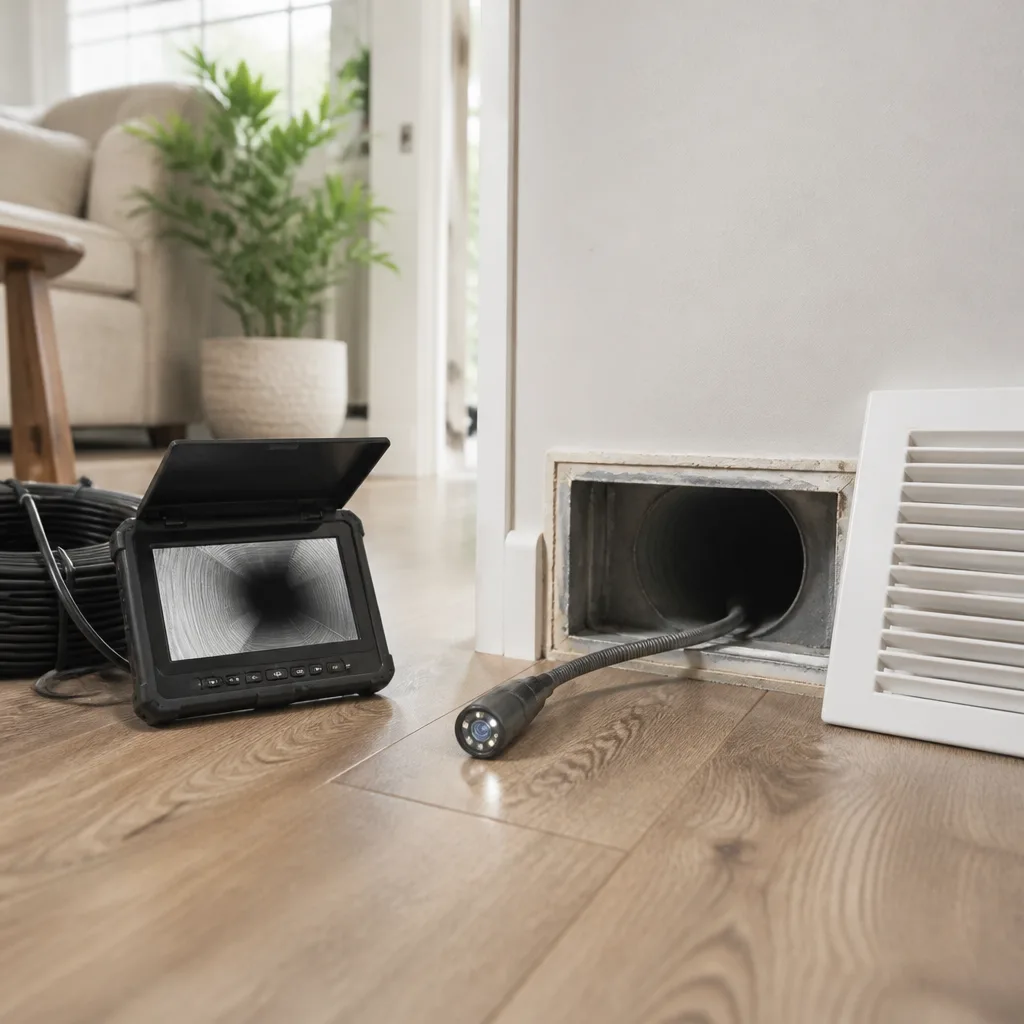 Camera inspection
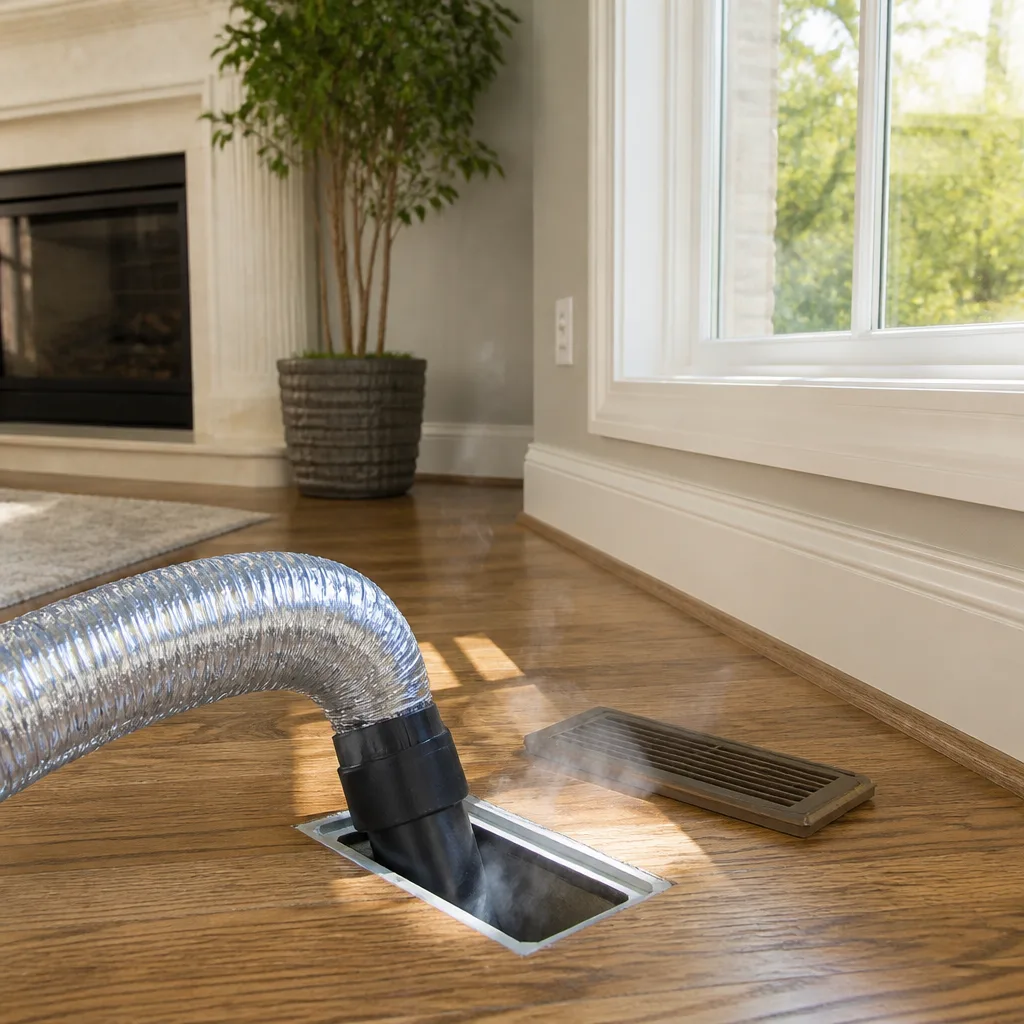 Sanitizing & deodorizing
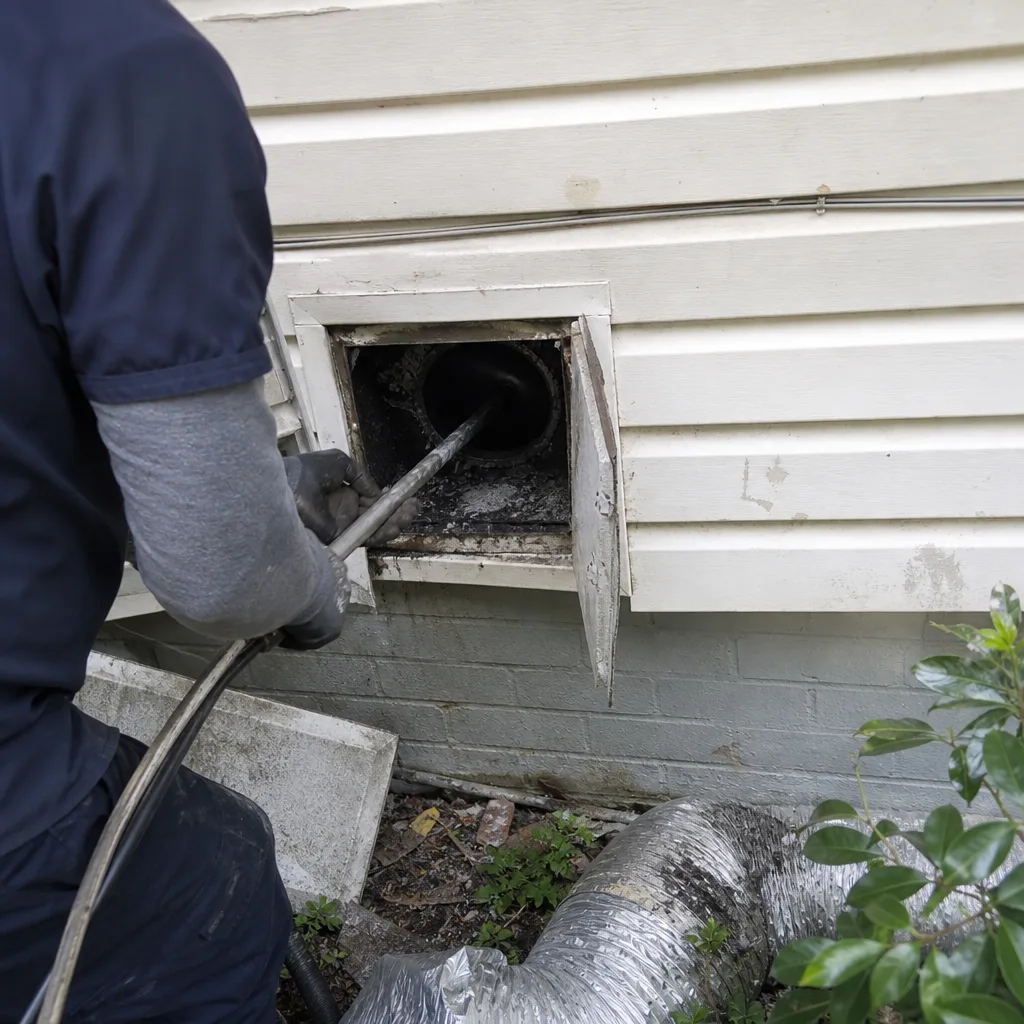
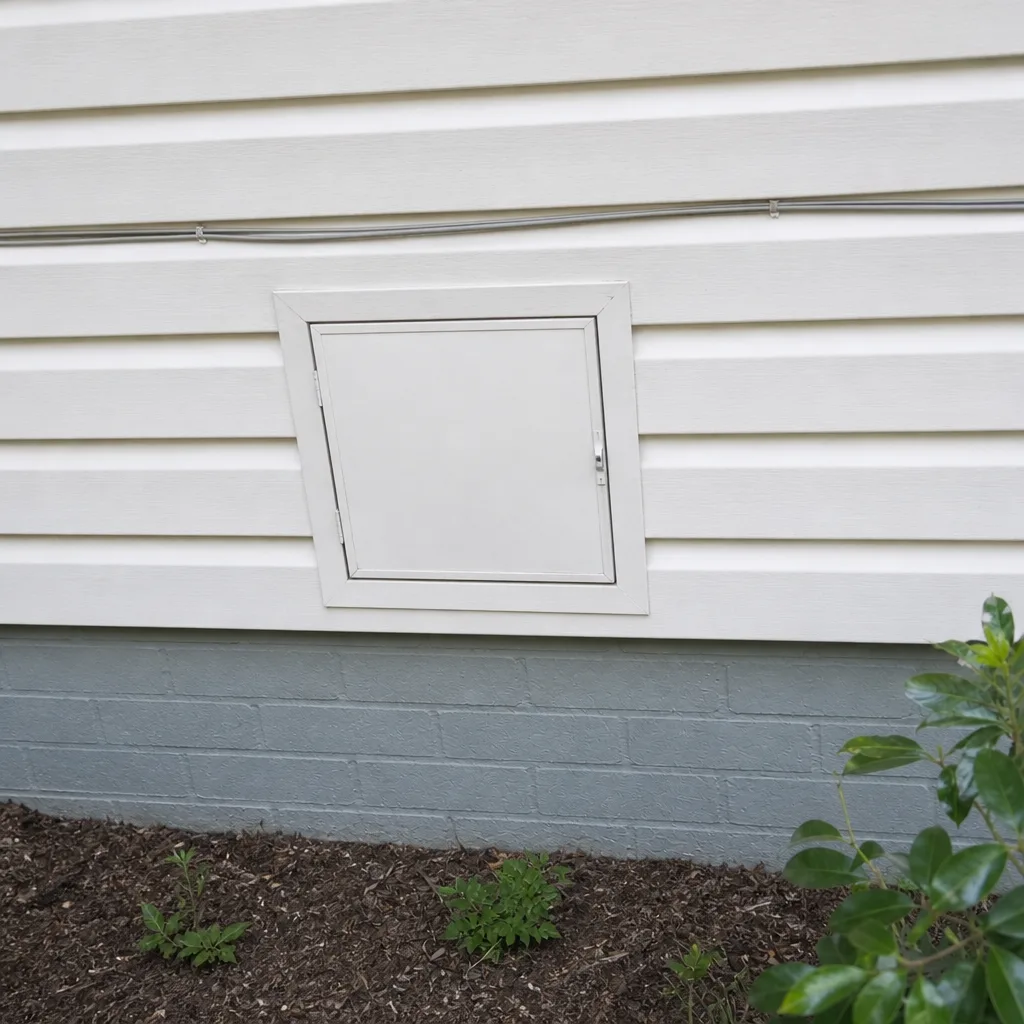
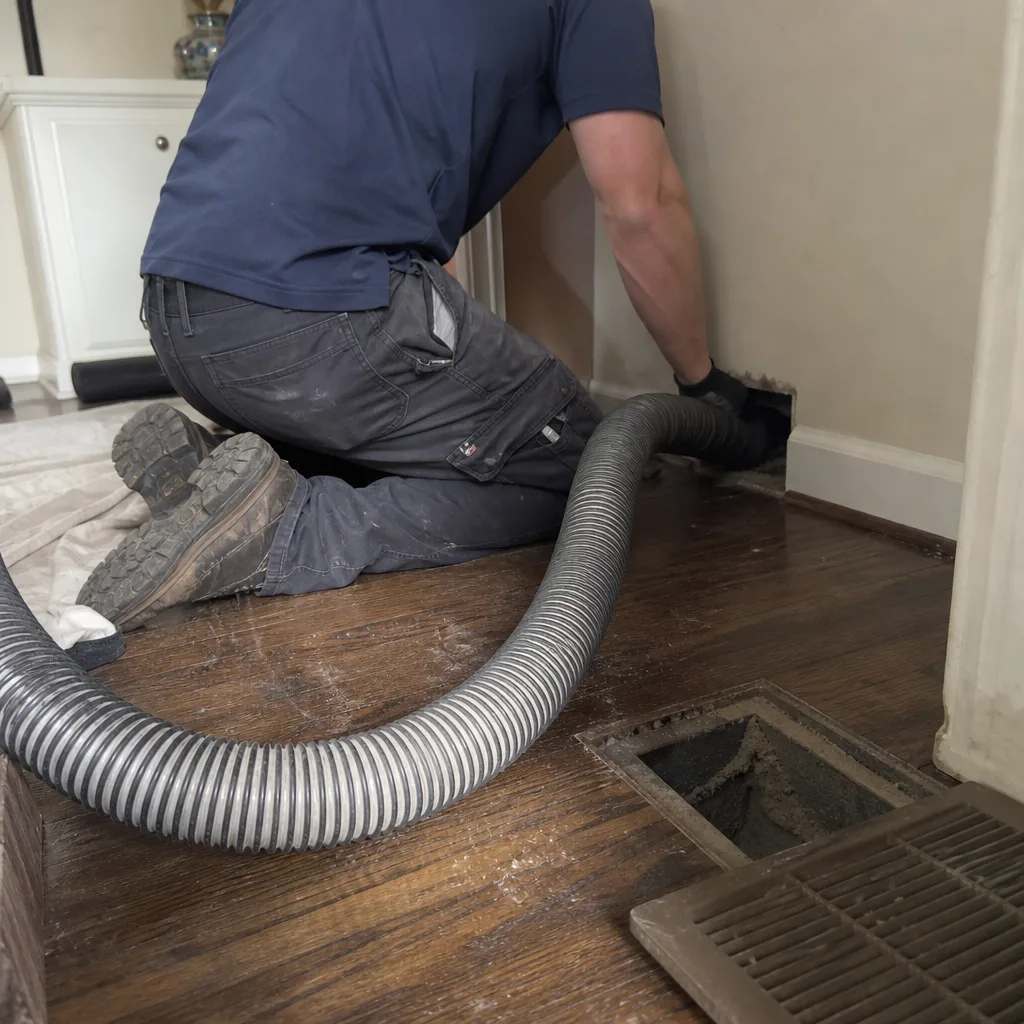
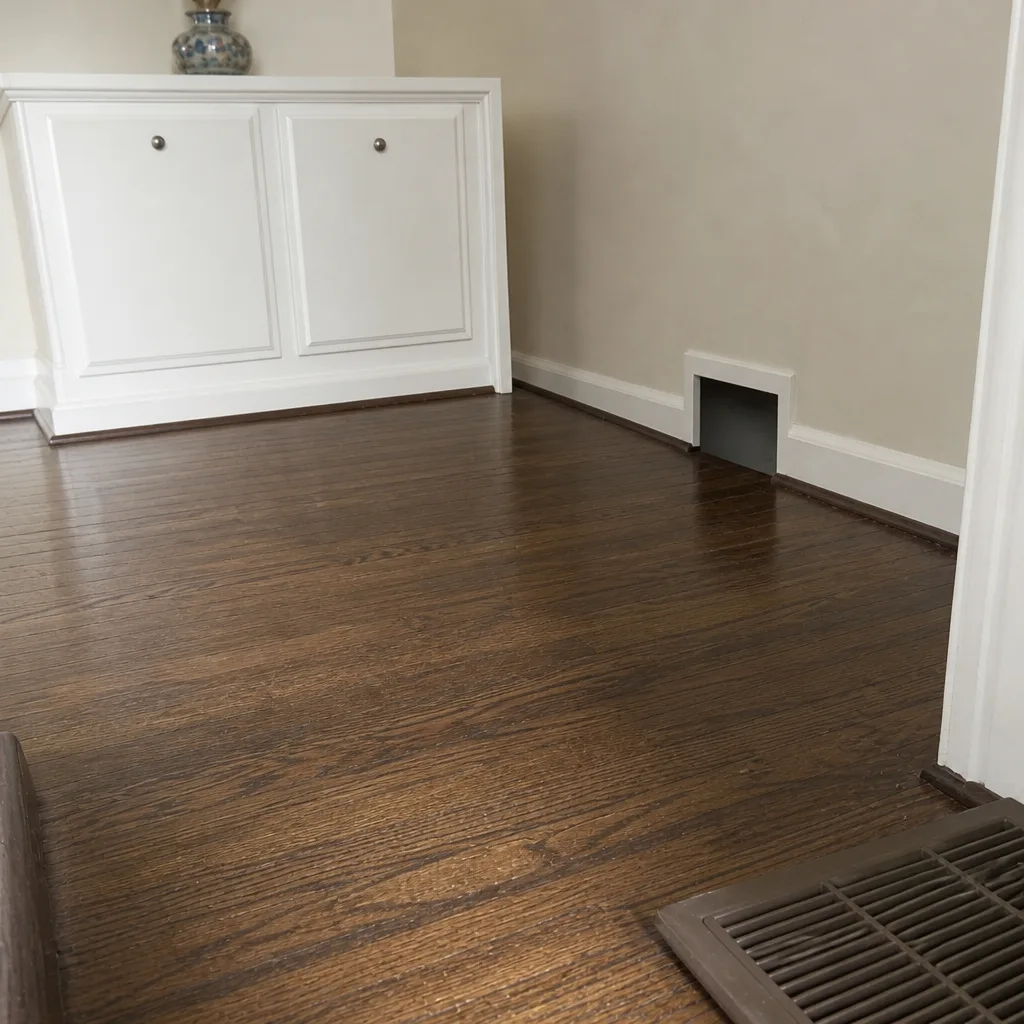
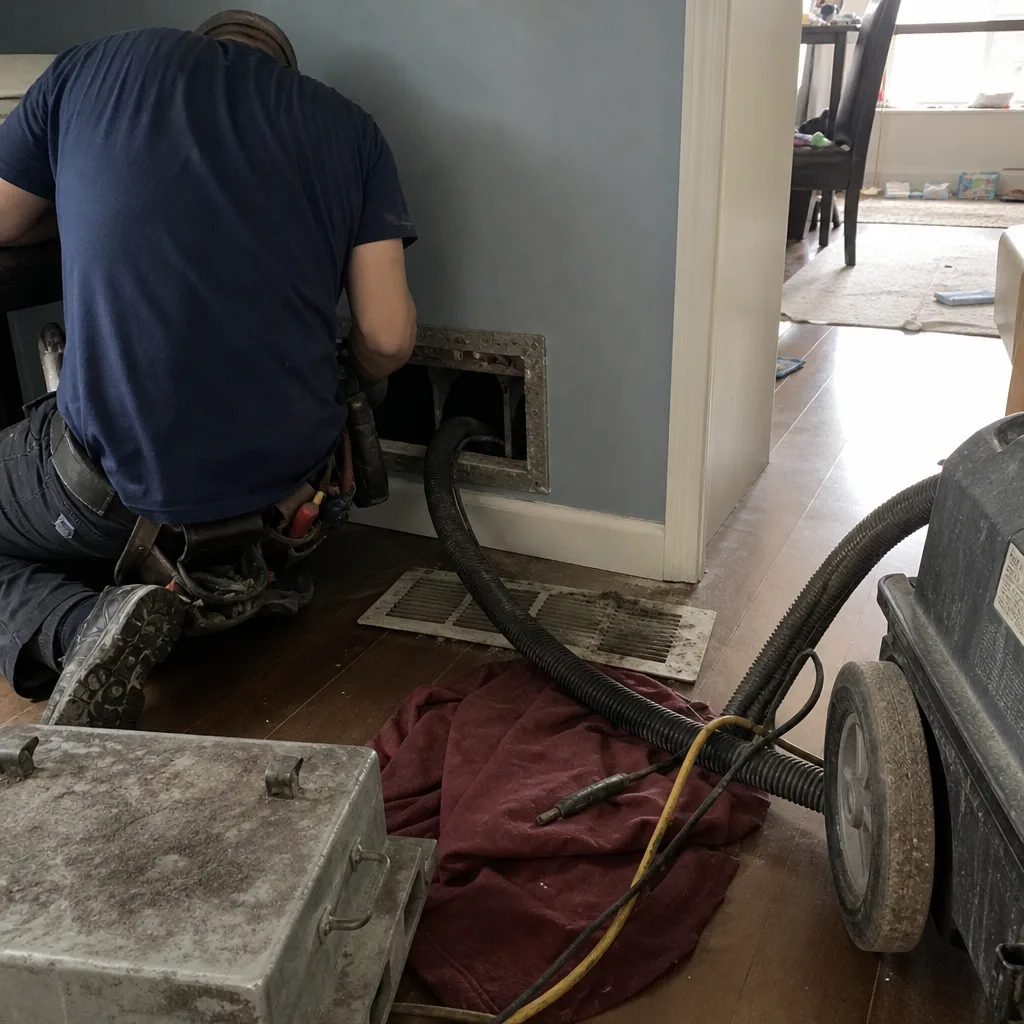
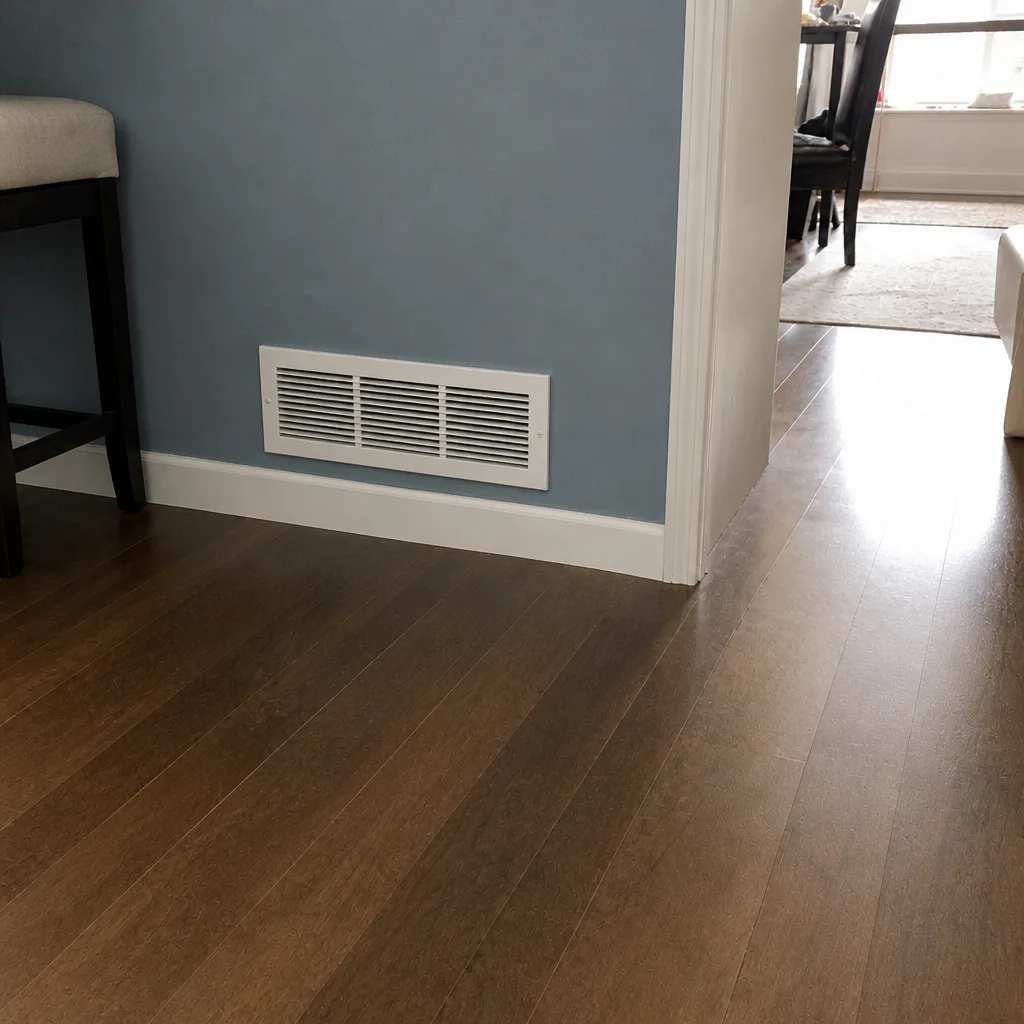
Whole-system duct and dryer vent check with before-and-after photos - you see exactly what came out of your vents
That "$99 whole-house special" is a bait ad - the real number appears once they are in your hallway, or the "clean" is a shop-vac at the register. We photograph the inside of your ducts before and after instead.
DIY vs Professional Air Duct Cleaning: The Green Hills Homeowner’s Decision Guide
Renting a shop vac and a brush kit can clean a register face and the first few inches of a duct run. What it can’t do is generate the negative pressure that pulls debris from a thirty-foot trunk line or the branches feeding a second-floor bedroom. Consumer vacuums move air at a fraction of the static pressure professional equipment produces, and that gap is exactly where settled dust, construction debris, and biological growth live. Effort isn’t the variable that decides the outcome here. Capability is. This guide walks through how professional cleaning actually works, where DIY approaches are genuinely fine, when they backfire in older Green Hills homes, and how to tell whether a company that calls itself professional is actually bringing professional-grade gear.
Quick Answer
DIY duct cleaning can handle surface-level register cleaning and light freshening before a sale, but it cannot replicate the negative-pressure extraction that professional equipment produces. For most Green Hills homeowners dealing with visible dust, allergy symptoms, post-renovation debris, or an aging HVAC system, a professional cleaning with contact agitation and HEPA-filtered extraction delivers measurably different results. For newer systems with no symptoms and no recent construction, waiting is reasonable.
Styles & brands we work with
- Whole-home duct cleaning
- Dryer vent cleaning
- Camera inspection
- Sanitizing & deodorizing
Table of Contents
- The Physics of Negative Pressure Cleaning
- What DIY Duct Cleaning Actually Accomplishes
- Risks of DIY Cleaning in Older Green Hills Homes
- When Professional Cleaning Isn’t Necessary
- When Professional Cleaning Clearly Is
- How to Vet a “Professional” Duct Cleaning Service
- Duct Cleaning vs HVAC Cleaning: What’s the Difference
- Dryer Vents: The One DIY Attempt We’d Never Recommend
The Physics of Negative Pressure Cleaning
Air duct cleaning is a pressure-driven process. The goal is to lift settled particulates off duct walls while a vacuum pulls them into a contained HEPA-filtered collector rather than letting them drift back into the living space. Pressure is measured in inches of water column, and that number is the single biggest determinant of how much debris actually gets extracted.
A consumer shop vac generates a few inches of water column at the hose. Professional equipment like the Rotobrush contact-cleaning system and Nikro HEPA-filtered units generate pressure many times higher, and they do it while a rotating brush mechanically agitates the duct wall. That agitation matters. Dust binds to galvanized steel and flex duct over years, and a static suction alone tends to skim the surface rather than lift the settled layer. The brush loosens; the vacuum captures.
Here’s the practical consequence for a Green Hills homeowner:
- Reach: A shop vac pulls air a few feet into a duct run at useful pressure. A trunk line serving a 2,500-square-foot home can run 30 feet or more before the first branch. Beyond a few feet the airflow drops below the velocity needed to carry debris.
- Containment: Consumer vacuums with standard filters blow fine particulate back into the room. HEPA-filtered professional equipment traps particles down to a fraction of a micron.
- Consistency: Hand agitation cleans what the brush touches. Rotating brush systems clean the full inside circumference of a round duct as they travel.
- Capture vs. redistribution: Without containment, dislodging debris can redistribute it downstream into other rooms. Abatement Technologies negative-air containment equipment holds the working area at a slight negative pressure so what gets loosened doesn’t end up on your furniture.
This is why the DIY-vs-professional comparison breaks down when it’s framed purely as cost. It’s a mismatch in capability. A homeowner with good intentions and a rented vacuum isn’t competing with a $200 service; they’re working with tools that operate at a fundamentally different performance level. For a broader look at what the professional side of that comparison involves, see our air duct cleaning service overview.
What DIY Duct Cleaning Actually Accomplishes
We’re not going to pretend DIY has zero value. There are specific, legitimate cases where cleaning register faces and the first few inches of a duct run makes sense, and where spending money on a full professional cleaning would be unnecessary for now.
What DIY handles well:
- Register and grille cleaning. Removing supply and return grilles, washing them in a sink, and wiping visible dust off the metal is genuinely useful and safe. Grilles collect a lot of surface dust because they sit at the visible end of the system.
- Boot and collar wipe-down. The short section of duct between the floor register and the main trunk is accessible enough on many Green Hills homes that a homeowner can wipe the interior of the boot with a damp cloth.
- Pre-sale freshening. If you’re listing a home and the registers look dusty, wiping them down and cleaning the return grille takes an hour and doesn’t create risk.
- Surface dust awareness. Running a damp cloth over registers regularly makes it easier to spot changes in dust volume, which is useful information regardless of who does the eventual cleaning.
What DIY does not accomplish, even with good equipment and patience:
- Extraction of debris settled along the interior of a long trunk line.
- Removal of construction dust deposited in ducts during a renovation that wasn’t sealed off.
- Cleaning of the evaporator coil or the plenum where dust collects most heavily.
- Sanitizing duct interiors after moisture events or pest activity.
- Sealing accessible leaks or reconnecting joints that have pulled apart.
The distinction is between surface cleaning and system cleaning. Surface cleaning is a maintenance task a homeowner can do on a schedule. System cleaning is a service with equipment and process behind it.
Risks of DIY Cleaning in Older Green Hills Homes
Green Hills has a lot of housing stock built across several decades, and the older the home, the more likely its ductwork includes materials and connections that don’t respond well to aggressive consumer cleaning attempts. A few specific risks are worth knowing before you pull the shop vac out of the garage.
Flex duct damage. Flexible duct has an inner liner that carries the airstream and an outer vapor barrier. Consumer brushes snag the liner if they’re too large, or tear the outer jacket at connection points. Once the inner liner is torn, air leaks and dust traps, and the run may need to be replaced rather than cleaned. Older flex duct that’s been in place for a long time becomes brittle and snags more easily.
Disturbing settled mold. If there has been any past moisture intrusion, ducts can harbor settled mold spores that are dormant until disturbed. Agitating them without HEPA capture and containment redistributes those spores into living spaces, which is exactly the outcome anyone with allergies is trying to avoid. Professional equipment and the Abatement Technologies containment approach exist specifically to prevent this.
Disconnecting joints and boots. Old taped or mastic-sealed joints can let go when a brush pulls against them. A disconnected boot behind a wall means conditioned air dumping into a wall cavity – a real energy loss that often goes unnoticed until the next utility bill.
Pushing debris to the wrong end. Consumer vacuums placed at a supply register can push debris further into the system rather than pulling it out. Debris pushed into the return plenum or into a branch serving another room means you cleaned one duct and contaminated another.
The pattern here is that DIY risk scales with the age of the system and with how much history the ducts have absorbed. A newer home with ten-year-old flex duct is a fairly safe DIY target for surface cleaning. A home with thirty-year-old ductwork, sealed joints, and moisture history is not.
When Professional Cleaning Isn’t Necessary
Professional cleaning is a scheduled service with real cost, so it’s fair to ask whether it’s actually needed right now. Here’s when waiting is the sensible answer.
- The system is relatively new and has never been disturbed. If the home was built recently and no renovation has happened since, ducts have had little time to accumulate the deposits cleaning removes.
- No symptoms and no visible dust. If registers stay clean for weeks at a time and nobody in the household reports symptoms that track to time indoors, there’s no clear problem to solve.
- No renovation history. Construction dust is one of the top reasons ducts need cleaning. A home that hasn’t had drywall work, remodeling, or an HVAC replacement in recent memory is cleaner than a home that has.
- No moisture events. Water intrusion, a leaky roof, or chronic condensation anywhere in the duct path changes the picture. Absent that history, ducts are usually dry and stable.
- A dryer vent that’s separately maintained. Dryer vent cleaning is a different task from air duct cleaning and can be done independently. If you’re current on that, it doesn’t create urgent pressure to clean the HVAC ducts.
If none of these describe your situation, a full professional cleaning is probably not a priority this year. Cleaning on a fixed schedule regardless of condition isn’t the goal. Most industry guidance is to clean when conditions warrant, not on a clock.
When Professional Cleaning Clearly Is
The flip side is broader than most homeowners expect, and most of the triggers are specific events rather than gradual dust buildup.
- After a renovation. Drywall dust and sawdust migrate into the duct system during remodeling unless the work area was sealed and the return registers taped off. Even careful projects leave some residue.
- New HVAC installation or major repair. When a system is opened up for a blower or coil replacement, debris from the work can enter the ducts. Cleaning after the work is done prevents it from circulating.
- Persistent dust despite regular cleaning. When surfaces in a Green Hills home get dusty within days rather than weeks, the source is often the duct system rather than the outdoor air.
- Allergy or respiratory symptoms that track to time indoors. If symptoms improve when you’re away from home and return when you’re back, indoor air quality is a reasonable place to look, and ducts are part of that picture.
- Visible dust or debris at registers. Puffing dust when the system starts, or debris visible inside a register with a flashlight, is direct evidence of settled material.
- Pest activity. Rodents, birds, or insects that have been in the duct system leave material behind that should be removed and the affected section sanitized.
- Moisture or musty odor. A musty smell when the system runs suggests biological growth somewhere in the duct path and warrants professional inspection before anything else.
In Green Hills, the seasonal dust pattern adds one more consideration. The transition between heating and cooling season stirs up whatever has settled on duct surfaces during the idle months, and that first week of running the system often tells you more about duct condition than anything else. If the first few days of heating or AC season bring a noticeable dust burst, that’s a solid reason to schedule an evaluation. A professional assessment covers the full duct path – the HVAC cleaning component of the system included – which is where most of the settled material actually lives.
How to Vet a “Professional” Duct Cleaning Service
Not every company using the word “professional” is bringing professional-grade equipment. The duct cleaning industry has a reputation problem precisely because some operators underdeliver. Knowing what to look for makes the vetting process straightforward.
Ask directly about equipment and process:
- What contact-cleaning equipment do you use? A real answer names specific systems – Rotobrush contact cleaning, for example, uses a rotating brush with simultaneous extraction. Vague answers (“we have special brushes”) are a warning sign.
- What kind of vacuum? The answer should be HEPA-filtered, and ideally a named unit like Nikro. Consumer vacuums, leaf blowers, or shop vacs are not professional equipment.
- How do you contain the work area? Negative-air containment equipment such as Abatement Technologies gear is standard in professional work. A truck-mounted vacuum connected to the duct system handles a lot of containment too, but the interior working area still needs to be controlled.
- Do you take before-and-after photos? A professional operation photographs the inside of ducts before and after cleaning. Ask for these on your own system, not stock images.
- What’s the price structure? A professional cleaning should be priced per system or per job, with the price agreed before work starts. Per-vent pricing and teaser coupons are pricing structures designed to change once the technician is in the home.
- Do you handle sealing and repair as well? A company that only cleans and can’t address disconnected joints or leaks is leaving part of the problem unsolved. Full-system service means cleaning, sanitizing, sealing, and repair under one roof.
- What about the HVAC unit itself? Duct cleaning and HVAC cleaning overlap. If the company only cleans ducts and leaves the coil, plenum, and blower untouched, the system is only partly addressed.
Brand familiarity is another useful signal. Companies that regularly work with Honeywell and Aprilaire whole-home filtration and humidification systems understand how ductwork interacts with air quality equipment. If you’re considering upgrading filtration, that relationship matters. A duct cleaning company that isn’t familiar with these systems is likely a generalist, not a specialist.
Duct Cleaning vs HVAC Cleaning: What’s the Difference
Homeowners often use the two terms interchangeably, but the tasks are different, and the difference explains why some cleaning services don’t fully solve the problem. Duct cleaning covers the distribution network – the duct runs, registers, boots, and plenum connections. HVAC cleaning covers the equipment end – the blower, evaporator coil, condensate pan, and the areas immediately around them where dust and moisture interact.
The reason this matters is that a lot of the dust load in a home’s system originates at the equipment end. The evaporator coil is often wet from condensation during the cooling season, which makes it a dust magnet. Debris collects on the coil, migrates to the plenum, and then gets distributed through the ducts. Cleaning the ducts without cleaning the coil means leaving the source of the problem in place.
Similarly, duct sealing often pairs with cleaning. Small leaks in joints and connections reduce airflow efficiency and allow dust to enter from unsealed cavities. A cleaning that doesn’t include an inspection for leaks and disconnected joints is a partial service. When we work with a Green Hills home, the standard scope covers the full system and flags anything that needs sealing or repair. The Air Duct Cleaning Green Hills overview explains how the components fit together.
Dryer Vents: The One DIY Attempt We’d Never Recommend
Dryer vent cleaning belongs in this discussion because it’s the one duct-related cleaning a homeowner is tempted to handle without help, and it’s also the one where a mistake carries real risk. A clogged dryer vent is a lint-buildup fire hazard, and lint is highly combustible. The trap a lot of homeowners fall into is assuming the vent is clean because the filter was emptied and the visible lint at the vent exit was removed.
The most common DIY approach is buying a flexible brush on a rod and running it up the vent from the outside. This works on straight, short runs. It fails on the realities of older Green Hills homes, where dryer vents often run long distances, have multiple elbows, or exit through a roof rather than a side wall. The brush passes the first elbow and stops. The lint trapped past the elbow stays put, and the homeowner has the false reassurance of having “cleaned” it.
There’s also a risk of pushing material the wrong way. A brush run from the outside can push lint inward, compacting it against a joint rather than extracting it. Proper dryer vent cleaning uses negative pressure applied from the outside with a rotating brush from the dryer connection, pulling lint outward along the whole run.
If you’re considering DIY in this category, the honest answer is that it’s worth doing properly. dryer vent cleaning is a separate safety service, and it’s one worth having on a real schedule rather than as an afterthought. Our technicians have up to 12 years of experience with the tools that actually clear a full-length run, including long and elbow-heavy configurations.
Common Mistakes to Avoid
- Using a leaf blower to “blow out” the ducts. This is the classic shortcut, and it redistributes debris into the living space rather than removing it. The point of professional cleaning is capture, not displacement.
- Skipping the return side. Return ducts carry the dirtiest air in the system. Cleaning only the supply registers leaves the majority of accumulated material untouched.
- Cleaning ducts without addressing the coil. A dusty evaporator coil just re-contaminates the ducts. Both ends of the system need attention or the effect is short-lived.
- Choosing on price alone. The cheapest quote is often the cheapest for a reason. A pricing structure that changes once the technician is on site is a warning sign, not a deal.
- Not asking for photos. Before-and-after photos of your own ductwork are proof the work happened. If a service can’t or won’t show you, that’s a signal.
- Running a consumer brush into old flex duct. Snagged liners and torn outer jackets are common outcomes, and the repair often costs more than the cleaning would have.
- Cleaning right after a renovation without containment. If dust is going to be generated, cleaning should happen after the work is finished, not in the middle of it.
See the difference
 Before
 After
 Before
 After
 Before
 After
When to Call a Professional
Call a professional duct cleaning service if any of these are true: your Green Hills home has had a renovation in the last two years, you’re seeing visible dust at registers when the system starts, musty odors appear when the HVAC runs, household members report symptoms that track to time indoors, or you don’t know when the ducts were last cleaned and the home is older than about fifteen years. Also call if you’re planning a dryer vent cleaning and your vent runs more than a few feet or has multiple elbows.
A properly equipped professional operation brings contact-cleaning rotation, HEPA extraction, negative-air containment, and before-and-after photos. That combination is what separates system cleaning from surface cleaning. Air Duct Cleaning Green Hills offers free estimates in Green Hills – call (855) 658-4338. We answer 24/7, with fast dispatch from 7am to 7pm, Sunday through Friday.
Frequently Asked Questions
DIY is good enough for cleaning register grilles, wiping the visible interior of duct boots, and freshening up before a sale. It is not good enough for cleaning a full duct system, because consumer equipment cannot replicate the negative pressure and mechanical agitation professional systems produce. If your goal is surface appearance, DIY is fine. If your goal is removing settled debris and improving air quality, it isn’t. Call (855) 658-4338 for a professional assessment.
Professional duct cleaning is priced per system, with a written estimate that sets the final price before work begins. The quote reflects the size of the system, the number of runs, the condition of the ducts, and whether sanitizing, sealing, or repair is part of the scope. Anything quoted as a per-vent price or a teaser coupon should be treated with skepticism, because those structures often grow once the technician is in the home. Call (855) 658-4338 for a flat, system-based quote – estimates are free.
Ask for before-and-after photos of your own ductwork, taken during the service. A professional operation photographs the interior of ducts before cleaning and after, and can walk you through what’s visible in each image. A company’s refusal or inability to produce these for your system is a real signal that the process might not match the sales pitch. Call (855) 658-4338 to schedule with a service that documents the work.
Most homes don’t need duct cleaning on a fixed calendar. The honest answer is that cleaning should follow events: after a renovation, after HVAC work, after a moisture event, or when symptoms and visible dust point to the ducts. A newer home with no renovation history might go many years without needing it. An older Green Hills home that’s had several remodels may benefit every few years. The right schedule is driven by condition, not by a maintenance contract. Call (855) 658-4338 for an honest assessment.
Yes, particularly in older homes. Consumer brushes can snag flex duct liners, tear outer vapor barriers, and dislodge taped joints. Disturbing settled mold without HEPA capture redistributes spores into living spaces. If the home has older flex duct or a history of moisture, a professional inspection before any cleaning attempt is the safer path. Call (855) 658-4338 to discuss your system.
Cheap quotes frequently reflect the wrong equipment, a partial scope, or a pricing structure designed to change once the technician is on site. A consumer-grade vacuum and a hand brush billed as “professional cleaning” removes little more than a shop vac would. The reliable way to compare quotes is to compare process: contact cleaning equipment, HEPA vacuum, containment, scope (ducts, coil, plenum, sealing), and proof of work. When those are similar, the prices will be similar. Call (855) 658-4338 for a quote with the process included.
The Bottom Line
The frame matters. DIY duct cleaning isn’t a cheaper version of professional cleaning – it’s surface cleaning with less reach and no containment. Professional cleaning is system cleaning with the pressure, agitation, and capture that actually removes settled debris. For Green Hills homeowners, the trigger isn’t a calendar date but an event: a renovation, HVAC work, musty odor, dust burst at the start of a season, or symptoms that track to time at home. If none of those apply, waiting is honest advice. When they do apply, the professional path delivers results a shop vac can’t reach, and the right company will show you the proof through before-and-after photos of your own system.
If you’re ready for an assessment, call (855) 658-4338. Estimates are free, the price is agreed in writing before work starts, and the service covers the full duct system – cleaning, sanitizing, sealing, and repair – from one specialist.
Written by the team at Air Duct Cleaning Green Hills.